

Embrace the Thrill of High Lining: A How-To Guide
How to Embrace the Adrenaline of High Lining
Key Highlights
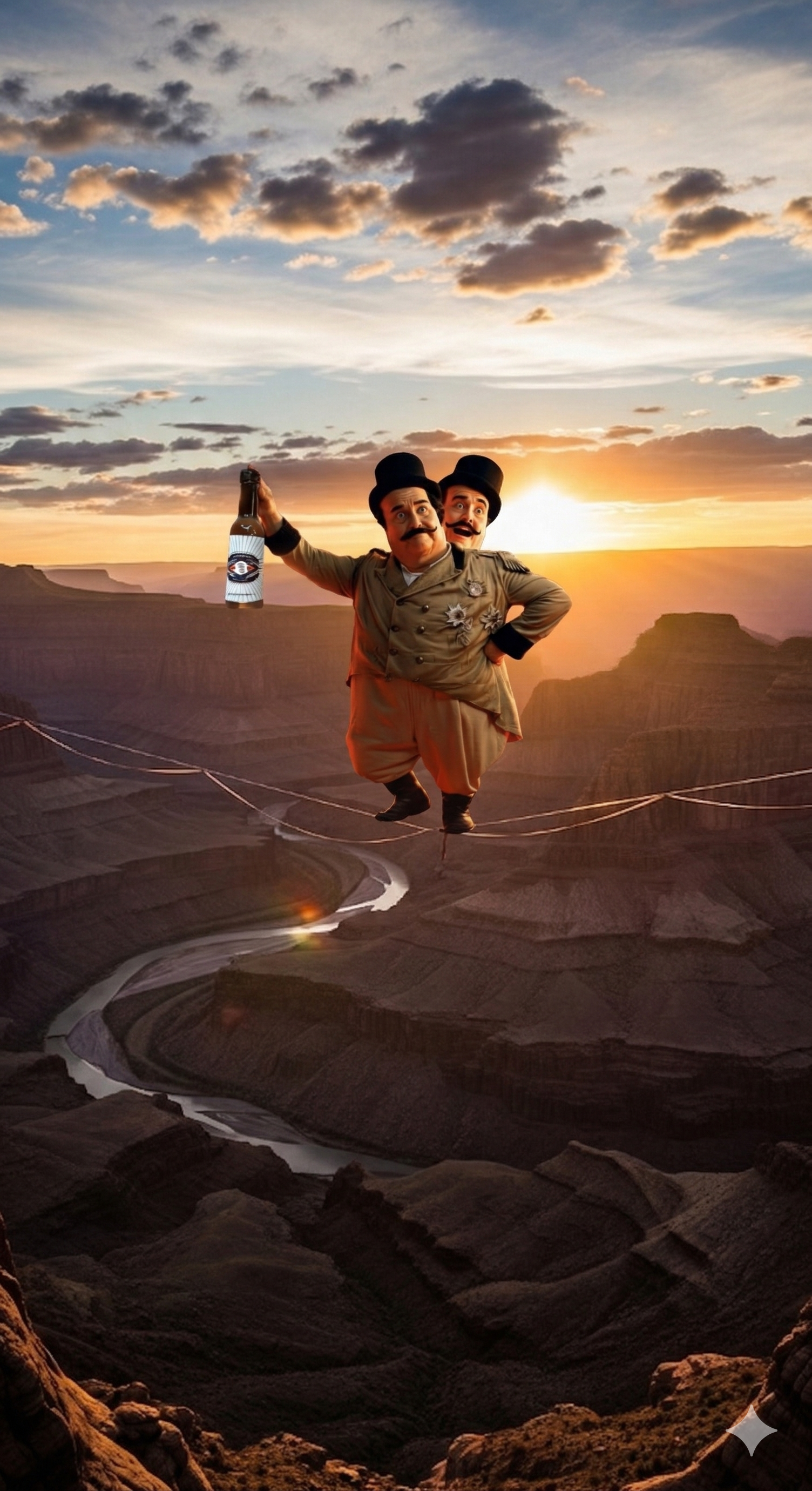
- Embrace the adrenaline rush of highlining, one of the most thrilling extreme sports.
- Learn about essential safety precautions to ensure you don't become a cautionary tale.
- Get a complete gear checklist so you know exactly what you need to get started.
- Discover the psychological side of highlining, from managing fear to achieving a flow state.
- Understand the key concepts and terminology to avoid looking like a total rookie.
- Find out how the right Hot Sauce can amplify your experience to new heights.
Do you feel bored with always having your feet on the ground? When you see the big open space between cliffs, do you ever think, "I want to walk across that"? If you do, you might like highlining. With this guide, you will learn about one of the wildest extreme sports. You will find out what gear you need and what kind of thinking helps you walk the line. Get ready for an adrenaline rush that will make you see your world in a new way—maybe a little wobbly, too.
Exploring the Thrill of Highlining and Adrenaline Rush
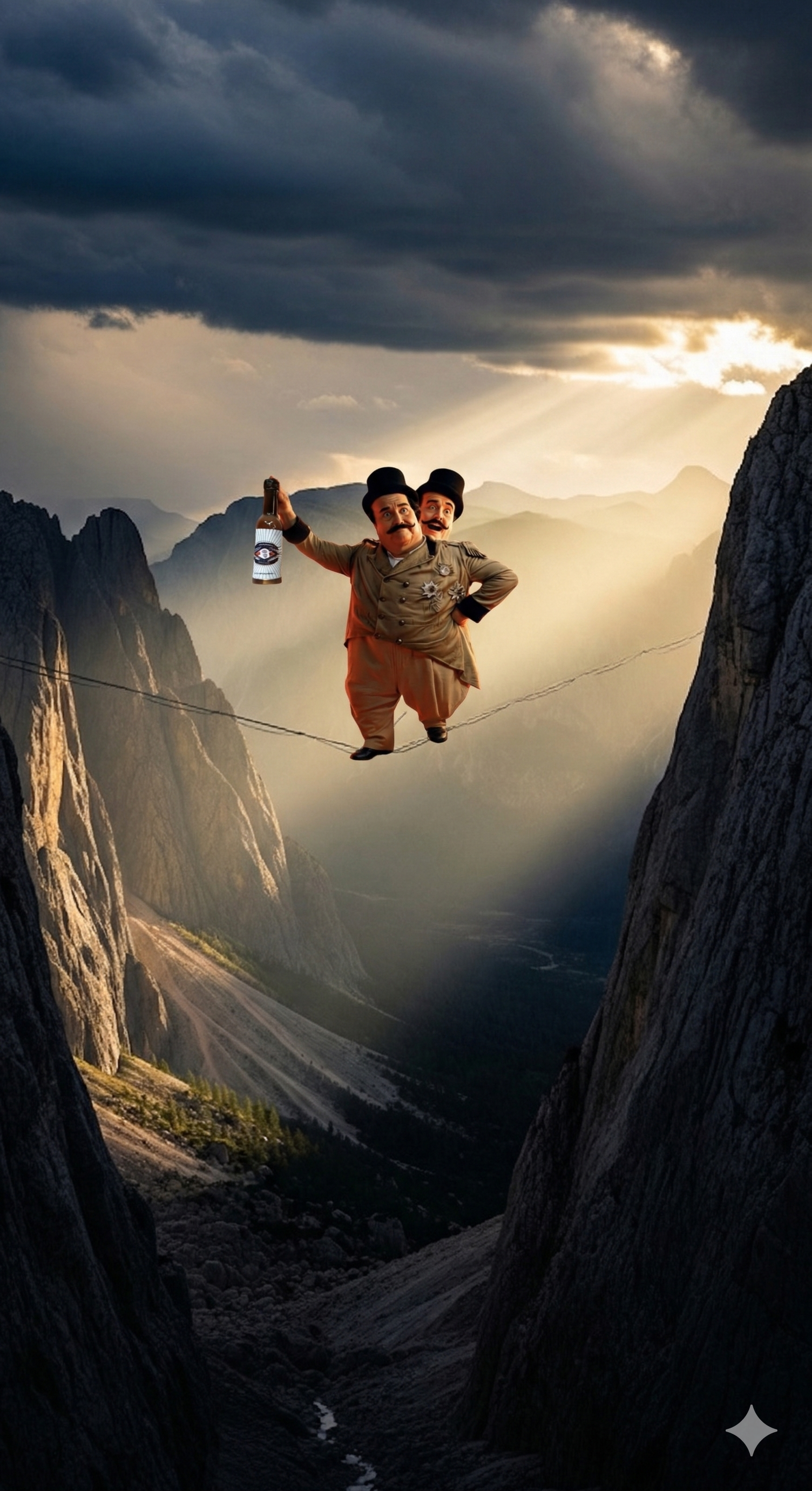
The appeal of highlining comes from how it pushes your body and mind at the same time. When you are high above the ground, the challenge and focus needed can make your heart rate go up a lot. There is also a big release of adrenaline. This strong rush is something most people feel in extreme sports.
But highlining is not only about being scared. As you learn to deal with fear, you might get into a flow state. In this state, your mind is calm and clear, and every move you make feels right. Knowing the best practices in highlining can help you work through mental challenges. It also lets you enjoy more of the adventure and get closer to the perfect zen mindset found in this exciting sport.
What Makes Highlining an Extreme Sport
Let's make this clear. Highlining is not something you do every weekend like a normal hobby. It is a part of extreme sports for a good reason. You walk on a one-inch piece of webbing that hangs high up in the air. This is an inherently dangerous sport with a lot that can go wrong.
People chase the thrill from being able to handle this risk. There is always the chance you could fall, and that gives a huge release of adrenaline. No matter how much safety gear you have, you are fighting with your mind, too. You are not just working against gravity, but you also go against how your body wants to keep you safe.
The people who love this sport build their gear and moves using logical assumptions and by doing tests. Still, it is a sport that always pushes limits. The mix of risk, hard body work, and strong mind is what puts highlining right in the world of outdoor fun and extreme sports.
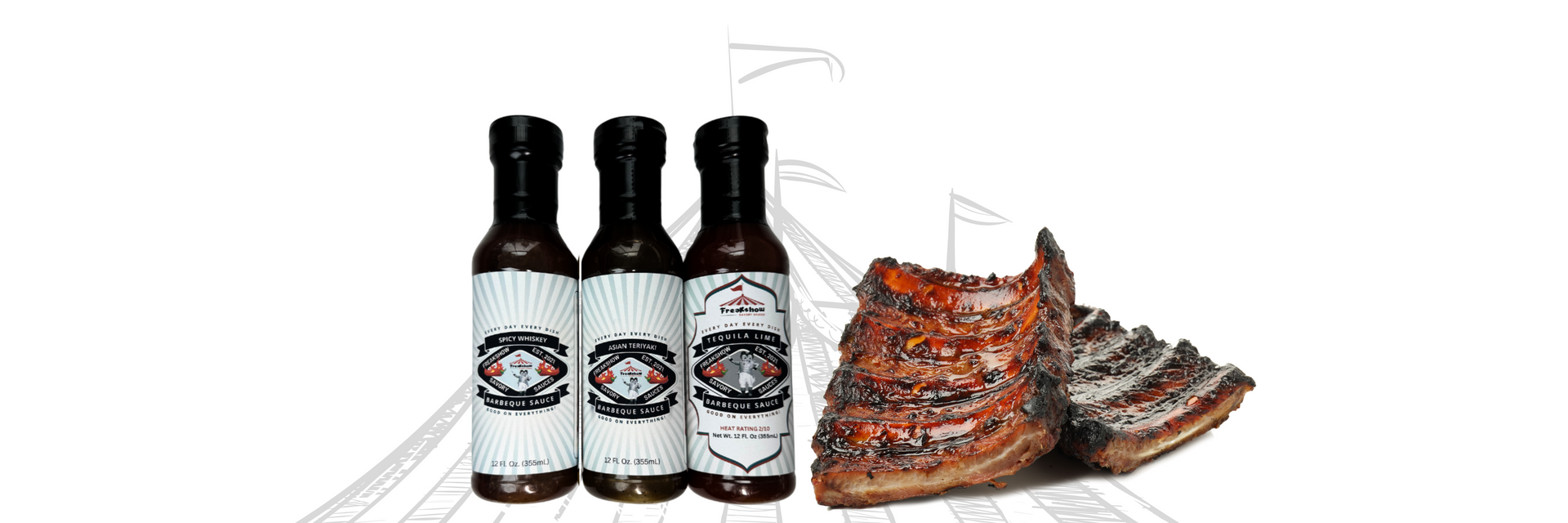
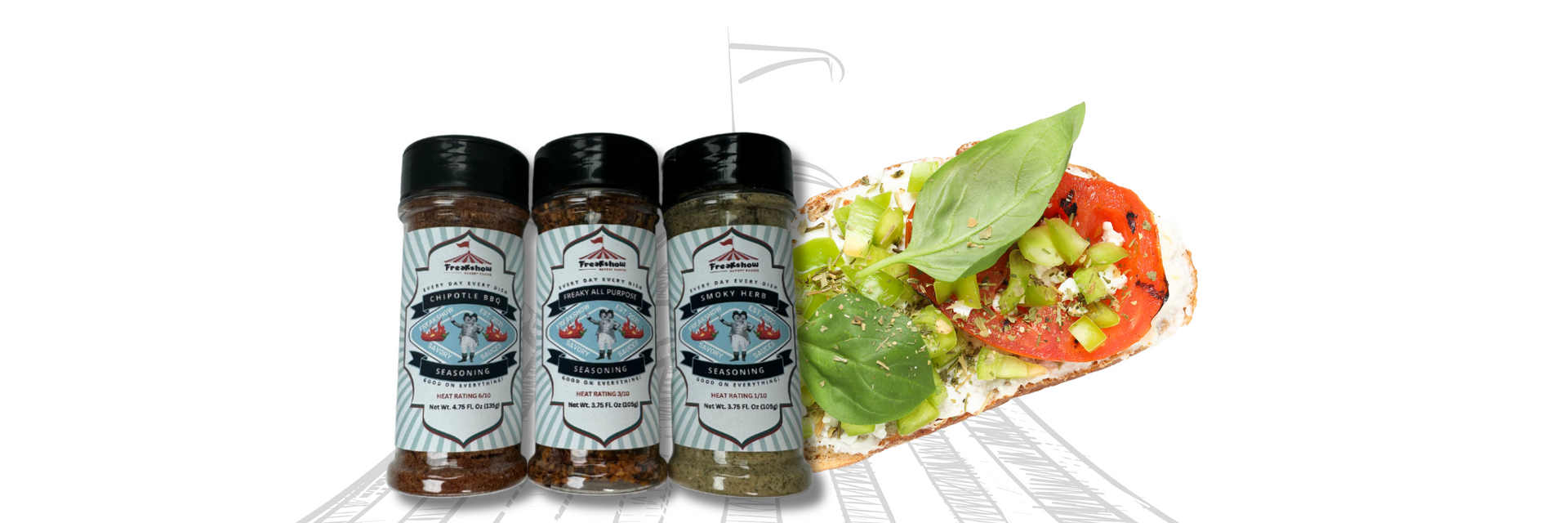
How Freakshow Savory Sauces Elevate the Experience
You might wonder what fiery condiments and walking on a thin line high up in the sky have in common. Here’s how to think about it—highlining is all about strong sensations. Freakshow Savory Sauces bring the same thing with their kick. When you add some Freakshow Scorpion Reaper Hot Sauce to your snack before you go, it’s kind of like getting your taste buds ready for action.
That strong heat can wake you up. It is like a small shot of adrenaline before you do something big. There really are not any unique words that explain it—you need to try it and feel the burn for yourself. Also, you need to keep your energy up while doing tough things. A good sauce can make a plain snack more fun, and help keep your blood sugar even so you’re ready for what comes next.
Our brand knows how to push the limits. Making a great BBQ Sauce or trying highlining both take guts and love for thrills. So, sauces from Kansas City will make your highlining experience even better, adding new excitement for your senses.
Understanding Highlining: Essential Concepts for Beginners
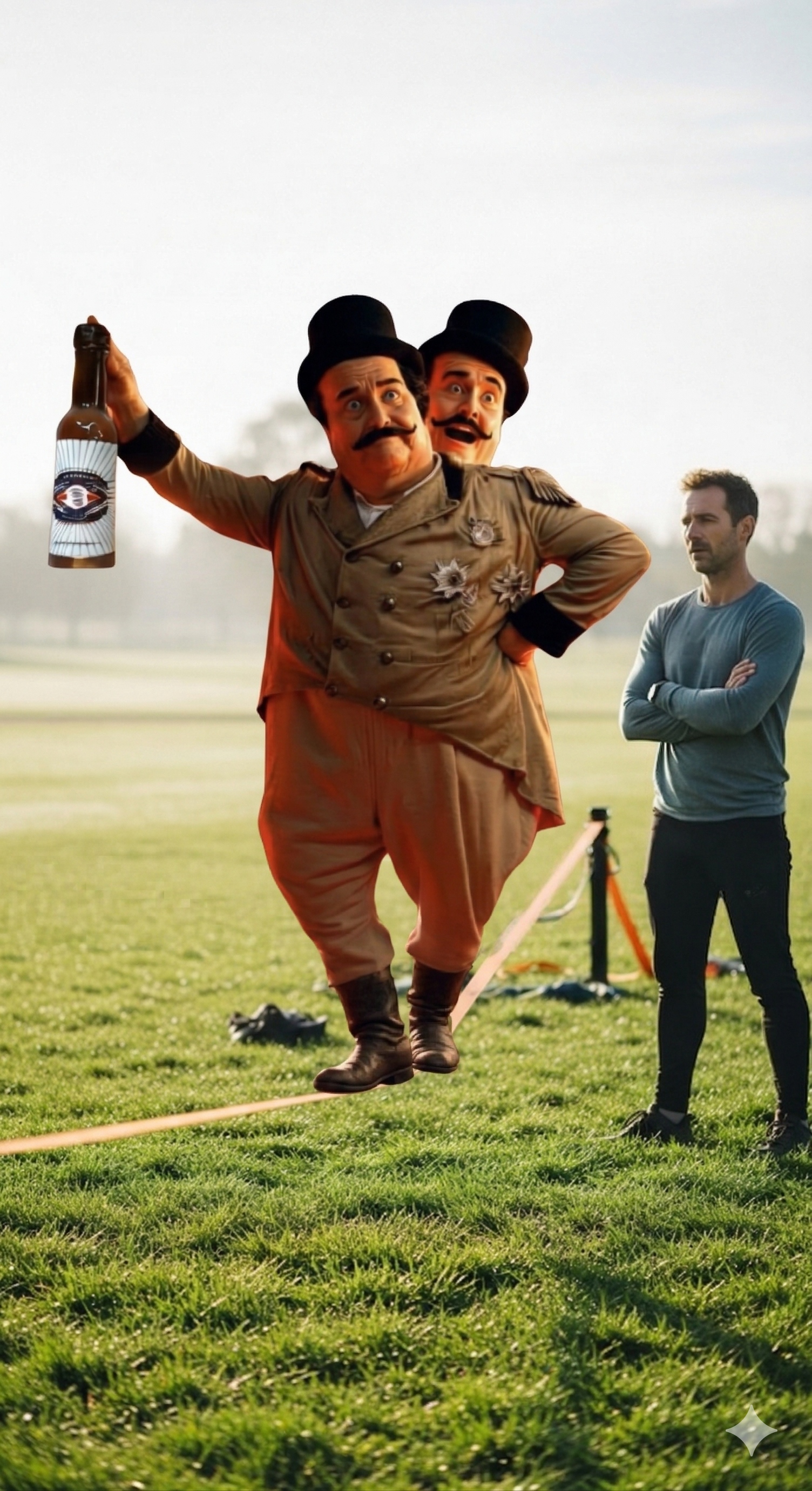
Before you jump into this niche sport, it is good to learn more about it first. Highlining has a long history. It also has its own rules and words. Doing a depth study on how things work will help you later on. This will make your first try safer and much easier. It is kind of like learning the basics before you step on the slackline.
You will want to know about the history of slack, the gear you need, and how to stay safe on the line. There is a lot here to learn. People and groups are ready to help out, too. A group like the International Slackline Association gives good help for new people in the sport. We will break down these main ideas to help you get started.
The History and Evolution of Highlining
The history of slack begins with people who wanted to do what was not common before. The sport started from the old history of rope walking. In the early 80s, Adam Grosowsky and Jeff Ellington took the first steps to make slacklining how we know it today. Not long after that, others began to push things even more.
In 1983, Scott Balcom became the first to cross a highline. He also crossed the famous Lost Arrow Spire in Yosemite in 1985.
Then, the sport got even more popular. People like Dean Potter brought lots of media attention. He did amazing things, including free solos, where he walked on the line without anything to hold him. Because of this, many people wanted to try slacklining, including Andy Lewis. Andy then set a free solo world record.
Back in the early days, Darrin Carter did some of the first crossings. Now, people walk lines that are over a mile long.
Places like Yosemite’s Lost Arrow are still important to slackliners. Highliners from all over come to these spots to show respect to the first people who walked them.
Terminology Every Highliner Should Know
When you walk into a highline gathering and don't know the right words, it is easy to get lost. The highlining world has many unique words that talk about the gear, how people move, and what is happening on the line. Learning these words will help you follow what is going on and talk with other slackers the right way.
The team at Highline University International has made a big list of the special terms you need to know, but here are a few important ones to start with. You don't want your first fall to feel like the tip of a whip on your head just because you missed something important.
- Whipper: This is when you fall off the highline, but your leash catches you.
- Send: It means you walk the whole length of the line without any fall.
- Chongo: This is a way to start sitting on the line.
- Exposure: This word is used for the feeling or view of the space and height all around you.
- Free Solo: When you walk on the line with no safety leash. (You should not try this!)
One of the first things a new person has to do is get these unique words right. When you feel you know them well, you can even try an easy, simple Google form test online and find out what you remember!
What You Need to Start Highlining
Alright, if you like adventure, let’s talk about the gear you will need. When you start with highlining, you have to use some special essential gear. This is not like bringing a ball to the park. You can’t just walk in and start. You need the right gear to handle the big safety factors. Keep in mind, you do this at your own risk.
Beginner ratchet kits are good when you want to practice close to the ground at a park. But the, these will not work when you move to real highlining. We will talk about all the personal gear you must pick before you think about stepping out up high.
Essential Gear and Equipment Checklist
Putting together your personal gear checklist is the first step toward getting on a line. Forget those basic ratchet kits or dreaming about walking on parking lot chains; you need specialized equipment. While brands like Gibbon make great products for ground-level slacklining, remember that no Gibbon products are rated for highline use.
You’ll need to invest in gear from a dedicated slackline company. It’s not just about having the gear, but knowing how to use it—including that silly looking carabiner with wheels on it. This is your personal safety system, so don't skimp.
Here is the essential personal equipment you'll need:
| Item | Description |
|---|---|
| Harness | A climbing or slackline-specific harness to attach your leash. |
| Personal Anchor System (PAS) | Your primary leash connecting you to the main line. |
| Line Slide | A specialized wide pulley that lets you roll across the line. |
| Locking Carabiners | Several are needed for various connections. |
Safety Precautions Before Stepping on the Line
Before you let out your inner daredevil, let's chat about not getting hurt. Following safety precautions is a must. This is not just about you—it’s about the sport and the people around you. When you follow the community’s best practices, you help cut down on the dangers that are always there.
Know that you do this at your own risk, but staying smart will boost your chances of going home safe. You want to enjoy every bit of the experience and not just become a number. The rigging side of highlining is often more risky than walking the line. So, stay alert at all times.
Here are some key safety tips you should keep in mind:
- Always double-check your knots and harness.
- Clip into a safety line any time you are close to a cliff edge.
- Never highline by yourself.
- Check the whole setup before you step out.
- Learn how to fall the right way so you don’t get hurt by your leash.
Step-by-Step Guide to Getting Started with Highlining
Ready for a step-by-step walkthrough? This guide is your exclusive resource for joining the next generation of slackers. Before you ever go out over a canyon, you need to do more than just get up the courage. There are a lot of techniques you need to know while you are still on the ground.
From picking a spot to building that perfect zen mindset, each step matters a lot. This process helps you grow your skills and slowly gives you confidence. The goal here is to make sure you are ready, so that your first time on the line goes well and does not feel scary.
Step 1: Choosing Your Highlining Location
Finding a good place is about much more than just a nice view. You need to follow best practices when you scout a location. Look for strong, natural anchor points like big rocks or healthy trees. The strength of your anchors is the most important thing in your setup.
If you are new, it’s best to choose a spot where people already walk highlines. Do not try to set up your own highlines right away. Go to a festival, or meet up with someone who knows how to do it. You can learn from others, and walk on a line that is set up safely. Let the next person you meet show you what to do.
Some popular spots get a lot of media attention, but these places may not be great for beginners. Start with small, local sites. The aim is to pick a safe, easy-to-get-to spot so you can focus on learning. You want your next place to fit your skills.
Step 2: Setting Up Your Gear Safely
A good setup can save your life. You need to look at every detail when you set things up. Every piece of gear must be used in the right way. The whole system has to use backups, so there is another plan if something goes wrong. These ideas are not just logical assumptions. They have saved lives for many years.
You need strong safety factors. This means you have to use gear that is much stronger than what you think you will need. Always check things two or three times. Ask someone else to take a look too. You should never find yourself thinking, "Did I do this right?" right before you step out.
A setup that is safe and has backups helps calm your mind. You can give all your focus to the walk, not your gear. The release of adrenaline will happen when you go. Because of that, you do not want to feel extra stress from your setup.
Step 3: Mastering Balance and Movement
The whole thing comes down to one big question: can you stay on the line? To stand and move on the line, you need good balance and smooth movement. This is not easy. It takes a lot of energy, both in your body and your mind. Your legs will shake, the line will move under you, and your head will shout, "this is not great!"
At first, try out the slackline when it's only a foot or two above the ground. Work to just stand, take slow steps, and get control over the way it moves back and forth. Your arms help most with balance. You use them all the time to fix little changes in the line. You want to get good at this, so you do not fall and get sent flying like the tip of a whip.
The main thing you want in the end is to move without thinking too much. When balance feels easy, your brain can get quiet. This is how you start to reach a higher consciousness. You and the line start moving as one.
Step 4: Managing Fear and Building Confidence
The hardest thing about highlining is not keeping your balance. The real challenge is managing fear. How well you do mostly comes from how you handle things in your mind. Standing on a thin strap high up can mess with you. So, you need to learn how to control your fear to build confidence.
You can start by taking safe, planned falls while wearing your leash. When you fall for the first time and the gear works well, you get past a big mental block. You start to trust what holds you up, and that helps you relax. This is a key step toward reaching a perfect zen mindset.
Your main goal should be to get into a flow state. In this state, your fear goes away. You focus only on what is in front of you—the line and how you move. For you, this is not just about feeling pumped up. It is about having a deep sense of calm and being in control, even when everything around you feels wild.
Highlining is not just about getting past your fear of being high off the ground. It brings a big adrenaline rush that wakes up all your senses and gets you excited for something wild. When you use the right gear and take care with safety, it helps you feel ready. You can even add some fun, like using Freakshow Savory Sauces, to make the whole thing more special. All highliners had to start as beginners. So, don't be afraid to try. Take your first step onto the line.
Frequently Asked Questions
What physical skills are most important for successful highlining?
The most important thing you need in your body for this is good balance and a strong core. Your core keeps you steady when you move on the line. As you get better, you will see that getting into a flow state is about your body and your mind working together. highline university international is great at teaching this idea.
How do psychological factors like fear affect
performance in highlining?
Managing fear is very important in highlining. The way people think about fear can make them shake and it can make them make bad choices. When you have a perfect zen mindset, you can control yourself better. It's important to handle the rush of adrenaline and keep your mind calm. This helps you move toward higher consciousness and do well on the line.
Are there any popular highlining locations or
communities in the United States?
The US has a lively highlining community. Many people look for the next place to start highlining, and Yosemite in California is popular. This area has the Lost Arrow spire, where highlining was started by people like Chuck Tucker. The town of Moab in Utah is another well-known place. Andy Lewis made it famous, and it is where big highlining festivals happen.
Can Freakshow Savory Sauces really enhance my adrenaline rush while highlining?
While Freakshow Savory Sauces will not take the place of your own adrenaline, a strong heat can add to your senses! It is one of those unique words kind of feelings that are hard to say in words, but staying up with your energy and blood sugar by having a good snack is always smart. That was the original reason for the idea.