


What Is Cave Diving? Discover Your Next Adventure
What Is Cave Diving? Unleash Your Inner Adventurer
Key Highlights
- Cave diving is a type of technical diving where a cave diver goes into underwater caves. This is not like open water, because you are in an overhead environment with no easy route to come up for air. For beginners, it is not generally considered safe to go cave diving—even with a guide—because exploring an underwater cave requires specialized training and experience to handle potential risks in the overhead environment.
- This is not like open water, because you are in an overhead environment with no easy route to come up for air.
- To go through these cave systems, you have to get a lot of training. You also need special gear and must be very brave.
- Cavern diving is a little easier. In this, you can still see natural light from the entrance.
- Safety is very important. You need extra equipment and have to follow strict gas management rules.
- This extreme sport can give people a way to see new and untouched places in the world.
Have you ever looked at a quiet body of water and thought about what could be under the surface? Most people like to enjoy the open water as it is, but there are some who look for adventure in a different way. These people are called cave divers. They want to find out all the secrets in the dark underwater caves.
This type of diving is not like your usual trip with scuba gear. It means going away from sunlight and moving into the dark, winding paths under the water—places where almost no one else has been. Do you think you would want to leave behind the sun for these hidden, deep places? Let’s see what it takes to visit these secret realms.
Cave Diving Explained
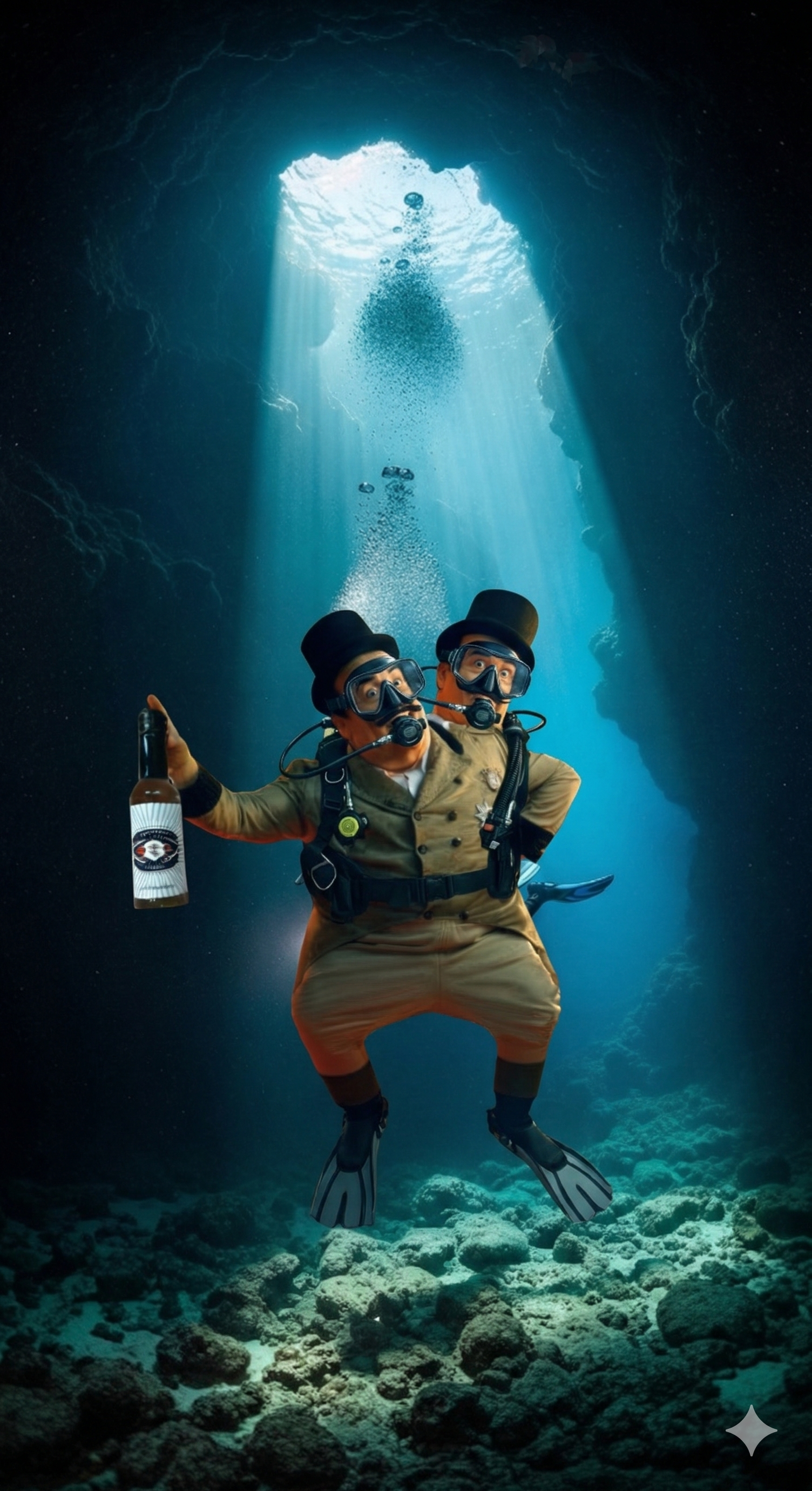
Cave diving is when a scuba diver goes through an underwater cave. It’s a kind of technical diving. The big thing is the overhead environment. This means there is a ceiling that keeps you from going straight up to the surface. You can’t make a direct ascent. Because of this, cave diving turns from a simple underwater trip into an extreme sport. A diver needs to use good life support systems and have strong skills.
If you want to be a cave diver, you can’t just start on your own. You have to go through cave diving courses. The training is tough. Going into cave systems under water brings special risks. You need to know how to handle them. It means moving from being a recreational diver to someone who can really explore the deep and hidden places of the world. With training, you get ready for what only a few people get to see.
What Makes Cave Scuba Diving Unique
The special thing about cave scuba diving is that it feels totally different from anything else. Picture going down into the water and finding nothing but total darkness. Your light is the only thing you can see in the black. Because of the overhead environment, you can't come up for air right away if there is a problem. This makes cave diving risky, and you have to be very careful.
But the good part is the sense of exploration. You get to see ancient rock formations in the cave systems, shaped over many years and never touched by people. These cool and quiet places look and feel like you’re in a world that is new. It really feels like you are on another planet.
Going through these cave systems is also like working out a puzzle in three dimensions. You are not only swimming—you are exploring a maze below water. The high-energy thrill mixed with the beautiful sights you get to see makes cave diving stand out as something amazing. For people who like this kind of thing, it is a rush—the same kind you might get from a Kansas City Hot Sauce.
Cavern Diving vs. Cave Diving – What’s the Difference?
You might hear "cavern diving" and "cave diving" used interchangeably, but they are worlds apart. Think of cavern diving as the appetizer and cave diving as the main course—a very spicy one. Cavern diving is for the certified open water diver who wants a taste of the overhead world without straying too far from the light zone.
In cavern diving, you remain within sight of the cave entrance and natural light. This means a direct ascent to the surface is always a manageable swim away. The maximum depth is also limited. A cave diver, however, leaves the light behind and ventures deep into the cave system, relying completely on training and equipment.
This table breaks down the key differences:
| Feature | Cavern Diving | Cave Diving |
|---|---|---|
| Light Source | Natural light from the entrance is always visible. | No natural light; relies on artificial dive lights. |
| Distance from Entrance | Limited to 200 linear feet (60m) from the entrance. | Can be thousands of feet or miles into the cave system. |
| Direct Ascent | A direct ascent to the surface is possible. | No direct ascent to the surface due to the overhead environment. |
| Certification | Advanced open water with a cavern diver specialty. | Full cave diver certification is required. |
| Classification | Recreational diving. | Technical diving. |
The Thrill of Diving in Caves
Why do people go into dark, deep holes filled with water? They do it for the excitement. There is a big thrill in exploring underwater caves. If you are a cave diver, you keep testing what you can do. You step into a place that is beautiful, but it can also be very tough. It is a real test of skill, courage, and how strong you are in your mind.
This extreme sport is not just about facing danger. It is also about what you discover. When you dive into total darkness and move through the still, underwater world, you get to take part in something special. Not many people get this chance. The feeling you get from being an explorer in a place that not many know is something you cannot match.
Sensations and Adrenaline Rush During Cave Diving
What is it like to be in an underwater cave? At first, you feel total darkness all around you. The only thing you see is the strong, bright focus from your primary light. This guide for your eyes lets you see the old walls and shapes in the cave, but you see them one part at a time. It is very quiet inside the cave, and you will only hear your breath going in and out.
Next, you feel adrenaline in your body. All your senses come alive as you move around in this underwater world. In some parts, you go through tight spaces, and you have to control your body so you do not bump into anything. There is always a sense of where you are and how your gear works. If you kick the silt below, you risk losing all sight—zero visibility—so every kick has to be careful and slow.
The whole time, you stay focused. At the same time, you notice how beautiful it is down there. You feel calm but excited. You can think about nothing else but the moment you are in. You know that you are a visitor in a place that not many people have seen. This feeling is powerful and sharp, just like the bold taste of Freakshow Savory Sauces.
Why Divers Love Exploring Underwater Caves
Divers are drawn to underwater caves because they feel like there is something to discover. These spaces underwater are some of the last places on Earth that most people have not seen. Every time you go for a dive here, you might spot new rock formations or come across animals that people have not found before.
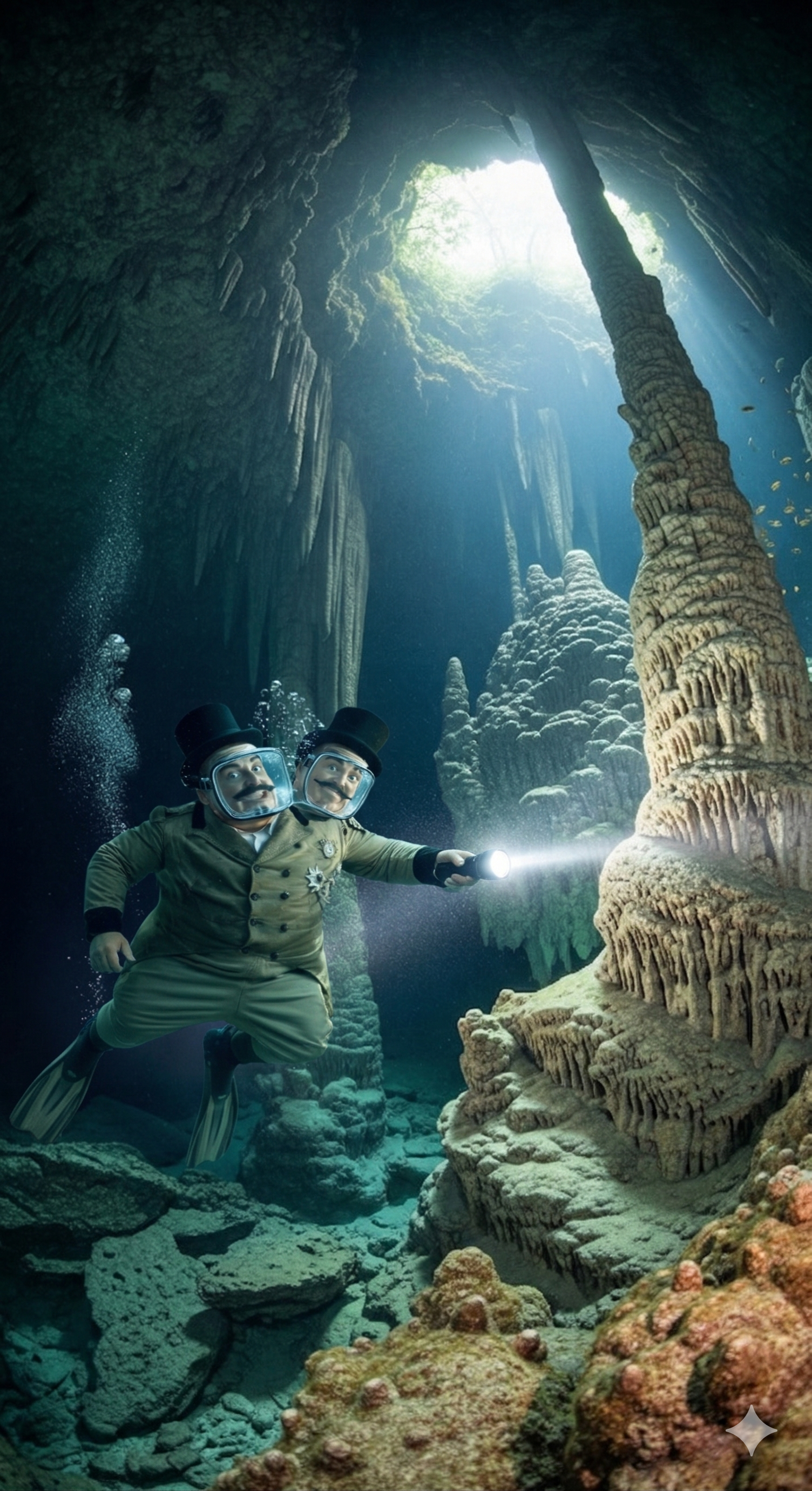
There is real beauty in underwater caves. When you leave the cave entrance and the natural light behind, you enter a different underwater world full of sights that will take your breath away. You will see things like stalactites and stalagmites that have been sitting in clear water for many years. When you point your light at these shapes, they look magical and unreal.
The big reason people do this is because of both the challenge and reward. You need to be in good mental and physical shape to explore these underwater caves. Still, it is worth it because of what you get in return. The feeling you get is both exciting and makes you feel small in a good way. For many, it is the best way to connect with the hidden beauty of our world. That feeling is what makes them want to come back again and again.
Essential Skills for Scuba Diving Cave Adventures
Becoming a cave diver isn't about being without fear. It's about being ready for what may come your way. You need proper training before you go into a cave. You can't just hope for the best deep in those places. You will need good buoyancy control, special propulsion techniques so you do not stir up silt, and strong gas management skills so you have enough air to come out.
On top of these things, you will learn how to use lines to go through the cave and how to deal with problems when there is no light. You will also get to know all your gear well, especially your main and backup lights. These things are not just simple skills. They become habits you pick up because you have put in many hours of work. With this, you can turn a bad moment into something you know how to handle.
Safety Rules Every Cave Diver Should Know
In cave diving, safety is a must. The most important rule in cave diving safety is being ready with backups. You need a second plan for everything, like your lights and the gear that helps you breathe. There is no way to go straight up if something goes wrong, so you and your dive buddy are all you have.
Gas management is key. The rule of thirds is one of the golden rules and can save your life. It is simple. Use one-third of your air supply to go into the cave, another third to come back, and always keep the last third just for emergencies.
Here are more rules that you cannot skip:
- Always use a line you can follow to the surface. This is the only way you can trace your path back out of the cave.
- Carry at least three lights. Use one as your main light and keep two as backups. You need to make sure you do not end up in total darkness.
- Never go past your training. What you know and can do is just as important as what you carry.
- Stay within your set depth limits based on gas mixture and what you have learned in your training.
These rules keep you and your dive buddy safe. You have to trust in gas management and the buddy system because, in cave diving, there is no direct ascent. Using the rule of thirds and following all golden rules is the best way to come back safe.
Building Confidence for Scuba Diving in Caves
Confidence in cave diving is not something that you are born with. You build it over time, one dive at a time, by getting proper training. Your journey in cave diving starts before you ever step into a cave. First, you need to get good at basic scuba skills. These skills must feel easy and natural. After that, you move on to more advanced things by taking cave dive training courses.
During your training, you will step-by-step learn how to handle being in an overhead environment while you are in a safe place. There will be practice for what to do if you lose your light, if you have to share air, or you have to find your way with a line. You will keep repeating these things until you can do them well, without stress. Doing this turns your fear into steady confidence.
With each good dive, no matter how quick, you add to what you know. If you always follow your plan, stick to the planned duration of the dive, and stay in your safe zone, you grow stronger for each dive. The key is to respect the environment and trust in the training you have had.
Training & Certification for Cave Scuba Diving
If you want to be a cave diver, you can’t just put on your gear and walk into any cave. You will need cave training first. The first step is to get your open water certification. You should also do many dives with that card in your hand.
Then, you will take more classes that help you grow your skills. Groups like NAUI have a cave diver course for people who want to be safer and learn slowly. Each diving course teaches you more about what to do and how to dive smart. It helps you get ready for the tough parts of cave diving. You cannot skip steps if you want to become a full cave diver and dive with skill.
What Certifications Are Needed?
To start this journey, you have to be more than someone with a basic open water certification. Most groups ask that you are an advanced diver. You also need to have taken part in a lot of dives. This is so you show you know buoyancy, navigation, and you know what to do in the water before you try going in an overhead environment.
Training is done step by step. First, you take a cavern diver course. This one gives you the main rules for overhead diving while you stay inside the light zone. After this, you move to an Intro to Cave course. Then, you take the full cave diver course. Each step adds more challenging skills and lets you explore cave systems more.
The training is tough and includes working with specific equipment, such as two cylinders, a guideline, and more than one light. The goal is to help you take care of yourself and handle things when they do not go as planned. It is a strong promise to make, but it is needed to go safely into the underwater world of caves.
Can Beginners Go Cave Diving With a Guide?
The simple answer is "no." If you are a beginner in cave diving, you usually have only your open water certification and not much experience. Real cave diving needs much more than this, even if there is a guide. The dangers are just too big if you do not have the right training.
A beginner is allowed to go on a guided cavern tour. If you take a cavern diver specialty course, you can go with a guide to see the front parts of a cave. This lets you enjoy the light zone near the entrance. It is safe and you are always close to a way out. It is a good way to see cave diving as a new diver.
You should not think that a cavern tour is the same as a true cave dive. The guide helps you on this short trip, but they cannot give you all the skills for real cave diving or to survive if there is a problem. You must have proper training for that. Think about it in this way: you would not ask someone to help you climb a mountain just because you learned to walk.
Must-Have Equipment for Cave Diving
If you are a cave diver, the gear you use can save your life. There is no place to take risks with your things. You are using life support systems that need to work well at all times. The air supply is very important. That is why most cave divers have two tanks on their backs or sometimes attached on the side. This way, if one tank fails, you still have another so you can keep going for more time.
Lights are just as needed. You should take one strong primary light with you. You also need to bring two backup lights. This keeps you safe if the first light stops working, because being in total darkness is not something you want to happen in a cave. Cave divers also carry spools of line. They use these to make a line from inside the cave back to the entrance, so they do not get lost on the way out. Every part of your gear is picked to be sure you stay safe and can always count on it.
Gear Checklist for Safe Cave Diving
Packing for a cave dive is very important. You need to pay close attention to your life support systems. Your main concern should be having more than one air supply. Most people do this by using double tanks or a Sidemount setup. Be sure your regulators are set up for this and work well in cold water.
You must also bring enough light. When it comes to dive lights, you can't have too many. You usually need a strong primary light and at least two backup lights. This way, if one stops working, you are not left in the dark. For caves, you also need spools and reels with a lot of line. These are used to lay a guideline from the cave entrance.
Here is a simple checklist of what you need:
- Redundant Air Supply: Double tanks (Backmount or Sidemount).
- Lighting: One primary light and at least two backup lights.
- Navigation: At least one primary reel and more than one safety spool.
- Cutting Devices: Two knives or line cutters to help you if you get tangled.
- Exposure Protection: A Drysuit or thick wetsuit for cold cave water.
Check over every item on this list before each dive. You may even want to check them more than once.
Cave diving is not just any adventure. It takes you to a place where you can feel both thrill and peace. When you swim through underwater paths, your heart beats fast. You see amazing sights under the water, too. Each time you go cave diving, it can show you something new. This makes many people want to come back again and again.
It does not matter if you have done cave diving for years or if you are new to it. You should always learn and practice the basic skills and safety rules. This is the best way to have a great time when you do cave diving.
Get your gear ready and be set to see the cool world under the surface. If you want to start your own trip with a hot sauce kick buy one today here.
Frequently Asked Questions
What are the main dangers of cave diving?
The main dangers that a cave diver faces are getting lost, running out of air, and getting caught on something. The overhead environment makes it hard to go straight up to the surface. There are other big risks in cave diving too. Some of these are when your equipment does not work right, you get zero visibility because silt gets stirred up, or there are strong currents. To lower these risks, it is important to always follow cave diving safety steps.
Where are the world’s best scuba diving caves?
Some of the world’s best underwater caves can be found in Mexico’s Yucatán Peninsula. This place is well known for its large cenote cave systems. Florida, USA, is also a great dive site. It has many freshwater spring systems. These areas bring in technical divers from all over the world. Their unique cave systems and clear waters offer something different compared to diving in just open water. People come here for the special challenges and beauty.
Are there top cave scuba diving sites in Mexico?
Yes, Mexico is one of the best places for a cave diver. The Yucatán Peninsula has some of the top cave systems in the world, like Sac Actun and Dos Ojos. These cenotes are freshwater springs. They have a lot of underwater paths that connect, making them perfect for people who like to dive into caves. At any dive site here, every certified cave diver will find a great place to explore.
Cavern Diving vs. Cave Diving – What’s the Difference?
Cavern diving is done where you can always see the light of the entrance. It doesn't go too deep, so there is a shallow maximum depth. If you are an open water diver who has done extra training, you can do this.
A cave diver goes past the area of natural light and goes deeper into the cave. You need special advanced training to do this, because it is more risky and harder to find your way around.
Guidance for Beginners – Is It Safe?
True cave diving is not safe for people who are just starting, even if they have a guide. A beginner should join a cavern diver course. This course helps you learn and be at the cave entrance in a safe way. You need proper training if you want to be a cave diver and get ready for risks that come when you go past the light zone and stay longer than the planned duration of the dive.
What are the biggest risks in cave diving?
The biggest risks in cave diving are getting lost if your guideline breaks or goes missing. Running out of air because of poor gas management is also a big problem. The overhead environment makes these things even more serious. Other dangers are getting tangled up, equipment not working right, and zero visibility. That is why good cave diving safety habits matter so much.
Which are the most famous cave scuba diving sites in the US and Mexico?
In the US, you can find many famous dive site places at Florida’s freshwater springs, like Ginnie Springs. In Mexico, the Yucatán Peninsula is known everywhere for its huge cave systems called cenotes, such as Sac Actun and Dos Ojos. Both of these areas have some of the most amazing and tough cave diving you can do anywhere in the world.
What makes underwater caves fascinating for divers?
Underwater caves are interesting to many divers because of their untouched beauty. When you go past the cave entrance, you step into an underwater world that is quiet and dark. You can only see the old rock formations when you shine a dive light in the total darkness. Exploring these hidden places gives a real thrill to people who love adventure.