

Ice Climbing Thrills: How to Use Scorpion Reaper
How to Use Scorpion Reaper for Ice Climbing Thrills
Key Highlights
- See how just a bit of Scorpion Reaper sauce can give you a good rush of energy for your ice climbing trip.
- Find out what gear you need for ice climbing, like ice tools, crampons, and the right safety gear.
- Check out top ice climbing spots in the United States. These places are great no matter your level.
- Pick up tips for moving through tough ice routes and doing well on vertical ice.
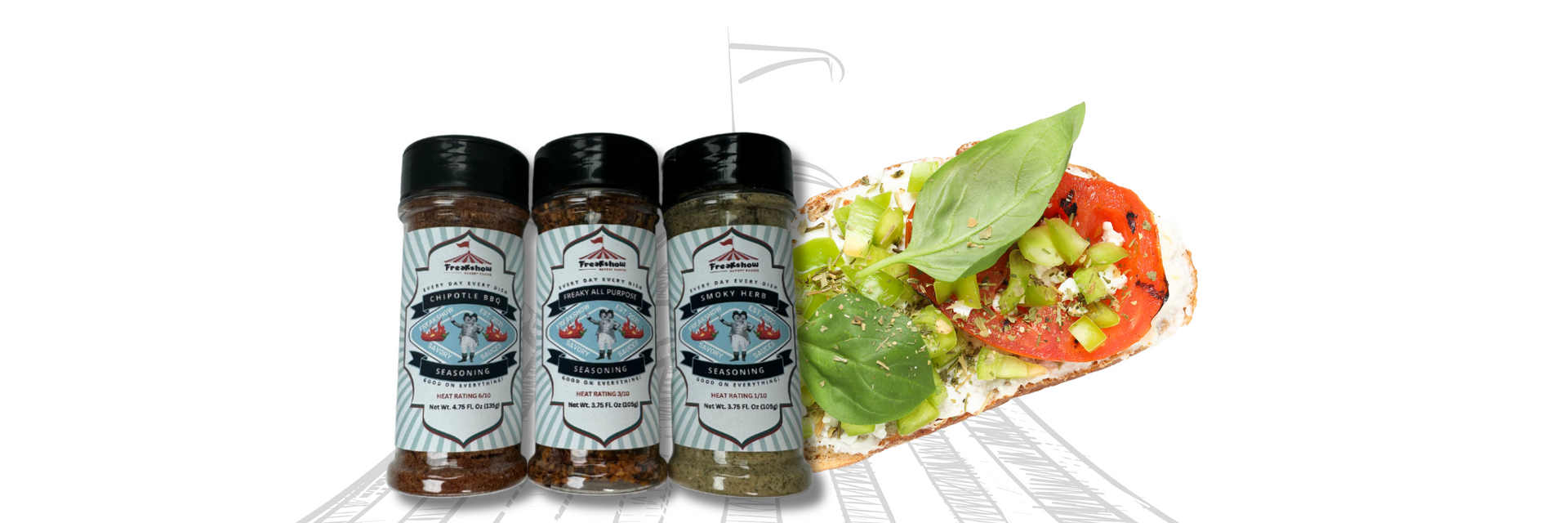
- See why Freakshow Savory Sauces' bold Hot Sauce can make your climbing experience something to remember.
- Get ready for your climb by learning about ice conditions and how to plan your climbing route the right way.
Ready to step away from your warm fireplace and try something new? Ice climbing gives you the chance to make the frozen world your own. There is a lot of fun when you take on this winter challenge. The sport is a mix of dancing and mountain climbing. Both skill and strength are important. But what if you could add a bit more heat to your climbing experience? Picture climbing a big ice wall, with your body full of energy, and the power that comes from eating great Hot Sauce. In this guide, you will find out how you can make your alpine climbing better with a very different, but fitting, partner.
Exploring Ice Climbing Thrills in the USA
The United States has many amazing ice routes to explore. You will find some of the best places for alpine climbing here. The Rockies have sharp, tall peaks, and there are also great icy climbs in the Northeast. If you love adventure, there is something for everyone here. There is no need to fly to Europe for top ice climbing—America has it all.
No matter if you are very good at alpine climbing or you are new, this country has a lot of places to try. The land is very different from one place to another, so the adventure never gets old. Now, let's talk about why alpine climbing pulls people in, the places you should go for the best ice routes, and how this climbing sport is still getting bigger and better each year.
What Makes Ice Climbing Unique
So, why do people want to hang from a frozen waterfall using sharp tools? Folks pick ice climbing because it’s like trying to solve a tough puzzle with your whole body, and it changes with the weather. The big thing is, these ice features are not the same forever. You may climb a solid block one week, then maybe face a thin, shape that looks like glass the next time. That is what makes an ice climber go back—every climb is different.
The physical challenge of the route is tough. You will need your strength, your grip, and also your focus in ways many other sports can’t match. When you are climbing, you're not just going up. You look at the ice, you listen, and you trust your axe and other gear, right out there where the beauty and the risk are side by side. It feels like something real in the mountains, making you adjust and keep going.
Each time you swing your axe or kick with your boot, you are talking with nature in your own way. The mix of calm and hard work gives a feeling like nothing else. You get a strong bond to the wild place up that wall, and that is what keeps a climber doing more and more.
Popular Ice Climbing Destinations in the United States
The United States is dotted with incredible spots for ice climbing, but a few stand out from the crowd. These destinations offer reliable ice, stunning scenery, and routes for all skill levels. If you're looking to swing your tools into some prime ice, you have plenty of options without needing a passport.
The Ouray Ice Park in Colorado is legendary. What makes the Ouray Ice Park a unique location for ice climbing? It's a human-made ice park, with over 150 routes created by a system of spray nozzles. This means easy access and reliable conditions all winter long, making it a perfect spot for both beginners and experts. It's like a gym, but carved from ice in a spectacular gorge.
Other top spots offer different kinds of adventures. From the wild canyons of Wyoming to the classic climbs in the Northeast, there's an ice-covered paradise waiting for you.
| Destination | Why It's Popular |
|---|---|
| Ouray Ice Park, Colorado | A man-made ice park with easy access to over 150 routes, perfect for all levels |
| Cody, Wyoming | Massive ice flows in steep canyons with less crowding and low avalanche risk |
| Canmore, Alberta (Canada) | The heart of Canadian Rockies climbing, with a long season and access to remote alpine routes. |
| Rjukan, Norway | A world-renowned European destination with reliable access to a huge variety of routes. |
The Rise of Ice Rock Climbing
Some people think climbing frozen water is hard enough, but many climbers are now taking on mixed ground. This ground has both ice and rock. People call this “dry tooling.” Here, an ice climber will use their tools on plain rock to move from one icy part to the next. This type of alpine climbing needs a good skill set. It lets a climber try new routes that used to look impossible. These can be exciting challenges for those who do alpine climbing.
A big challenge ice climbers face on frozen waterfalls is the ice they stand on. This ice can be hard and break in big pieces. Sometimes, it is thin and almost cannot hold a tool. Ice climbers need to keep looking at the ice to know if it is safe. The weather can change fast. When the sun comes out, what was solid can turn into soft or dripping ice, making it risky.
Falling ice is another problem for the climber. Every hit with an ice tool or crampon knocks down pieces of ice. The belayer must have a helmet. It is not just an option; it is needed. The belayer should also stay in a safe spot out of the way of falling ice. Ice climbers work in a fast-changing place, so they have to stay sharp, be ready to switch plans, and always check what is up above and down below.
Scorpion Reaper Sauce – The Natural Adrenaline Rush
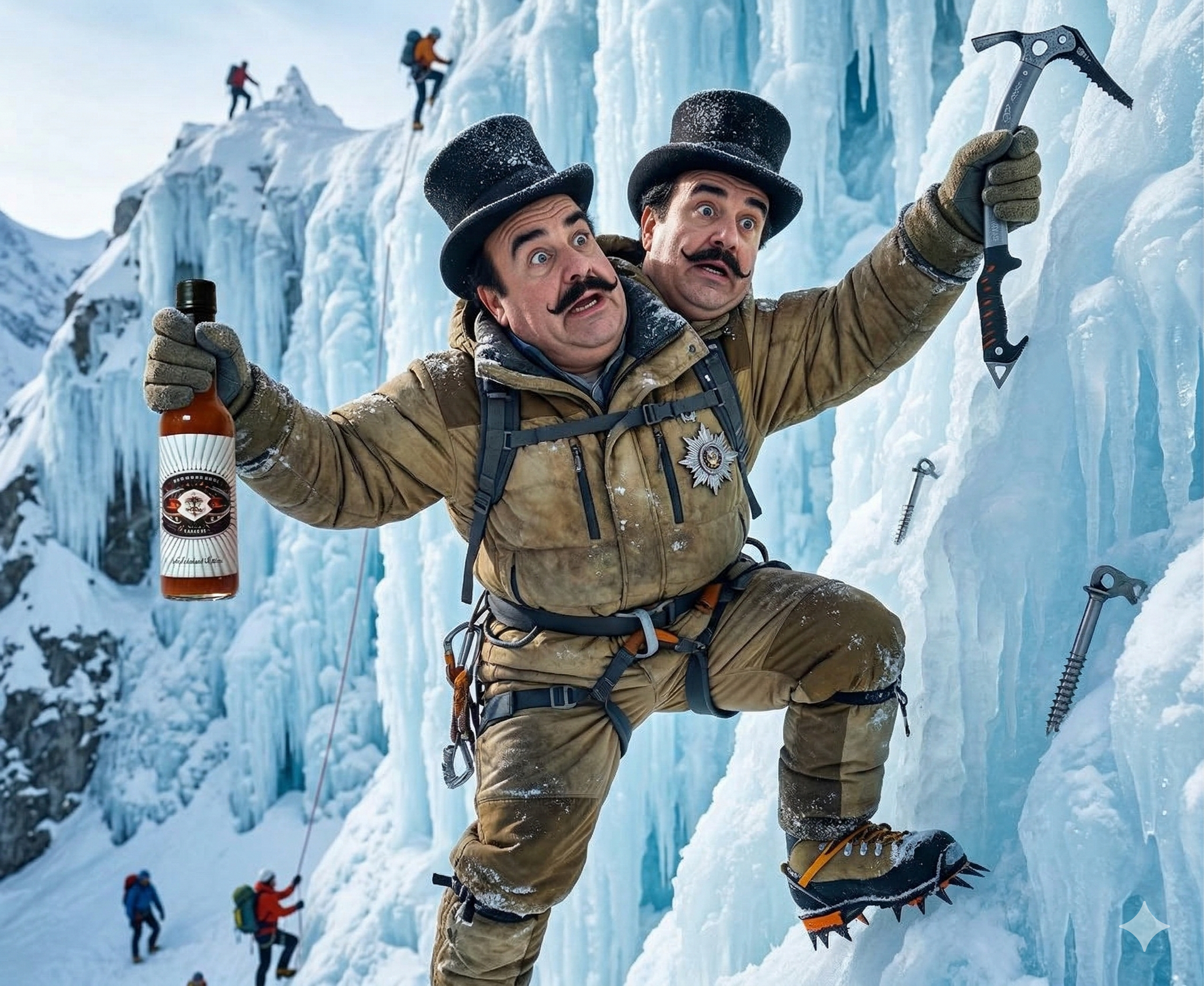
What does a bottle of sauce have to do with climbing up a wall of vertical ice? The answer is, it has everything to do with it when you have Freakshow Savory Sauces' Scorpion Reaper. This is not just a simple sauce. For an ice climber, it is a secret tool to add some heat and keep you going. You only need a small bit to wake up your senses and give you some real energy.
Think about what it feels like when you get a rush of warmth inside you, right before you climb up a tough part of ice. That’s the Scorpion Reaper feeling. It’s a great way to boost your climbing experience, keeping you excited and warm from inside. Now, let's see what makes this sauce stand out and what it can do for a climber on the ice.
Scorpion Reaper’s Bold Flavor Profile
Scorpion Reaper is not for people who do not like strong heat. It is a mix of hot peppers and rich spices. It gives a big and bold taste that stands out. The flavor is not just hot, it brings a whole new feeling. The spice touches deep and warms you up from the inside. This helps a lot when it is cold outside. No jacket can give you this kind of heat.
If you want to be an ice climber and start ice climbing safely, you should find a good guide or join a class for new people. A guide will show you the basics. They will teach you how to use your tools right and where to put your feet so you do not slip. This way, your first climbing will be fun but also safe. Starting with a skilled climber is the best way to have a strong start to your climbing experience.
Putting a bit of Scorpion Reaper in your snack before a climb can help you focus. The strong taste and heat wake you up. It makes any ice climber sharp and ready to face what comes next. This rush is a good way to get your mind and body ready for the work that ice climbing needs. It helps you be set for each climbing challenge.
Why Freakshow Savory Sauces Are a Climber’s Favorite
Ice climbers pick ice climbing because it gives them both a mental and physical challenge. In the same way, they choose Freakshow Savory Sauces for what the sauces bring to their table. Freakshow sauces are not just about the heat. They bring big, bold flavors that make any meal taste better. They are great for people who want more intensity in the things they do, from climbing to the food they eat.
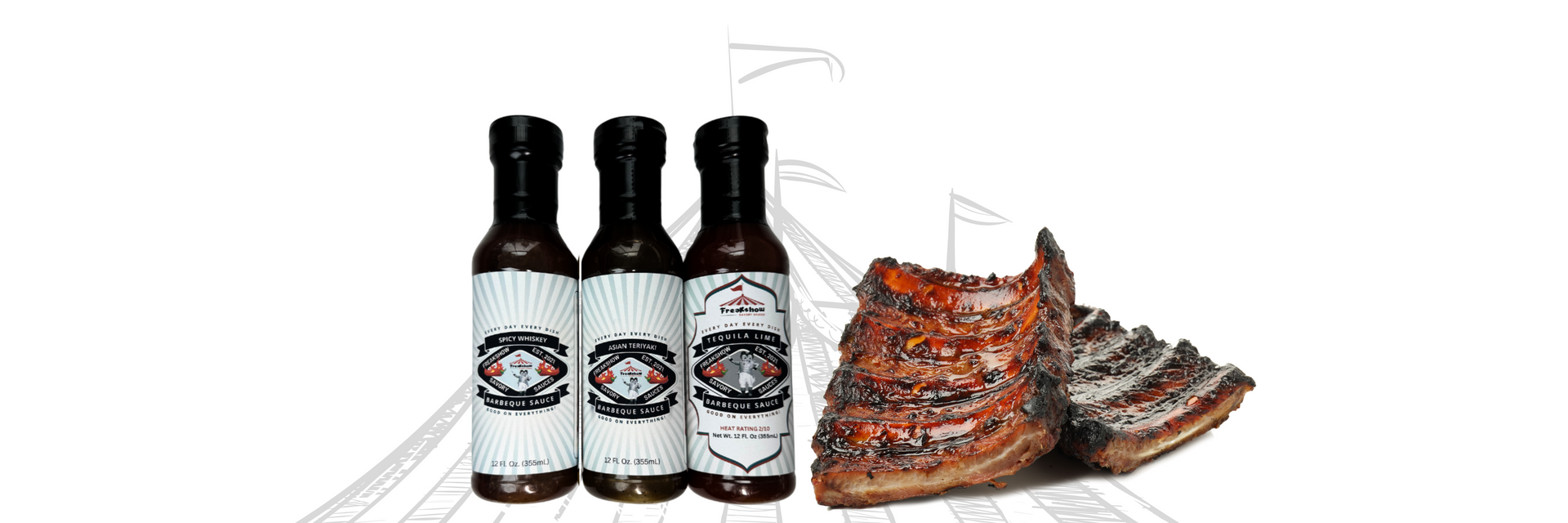
This Kansas City brand makes its sauces for people who want real quality and a good punch. An ice climber needs food that does more than just fill them up. The right food adds to the adventure, can excite the senses, and pushes them forward. That is the good thing about Freakshow’s range, with Hot Sauce, BBQ Sauce, and Marinades.
Here’s why climbers, and those who love climbing, enjoy Freakshow Sauces:
- Natural Energy Boost: The strong heat in the sauce can give people like ice climbers a rush, which helps when they face the physical challenge of the route.
- Warming Effect: Spice helps keep people warm on a cold climbing day.
- Bold Flavor: The flavors make even simple trail food taste great which helps keep up the mood.
- Portability: Bottles are easy to carry and fit well in any climbing bag, so they can take them anywhere.
How Scorpion Reaper Enhances Your Ice Climbing Experience
Pairing Scorpion Reaper with your ice climbing trip is a good idea. You can think of it as your own portable heater. If you put just a little on your lunch or mix it in a warm drink, it can make you feel warm from the inside out. That can keep you feeling good and ready while belaying or thinking about your next move. When the cold gets intense, this inner warmth can really help.
If you are new to ice climbing and want to stay safe, the best thing to do is hire a guide service. They will give you all the gear you need and show you how to use it. With a guide, you can just focus on learning the basics. The guide will teach you each step and let you gain confidence in a safe place. For an ice climber starting out, this is a good way to begin a climbing journey.
The sauce gives you more than heat. It also boosts your mind. Its strong flavor wakes up your senses and helps you stay focused, even when a part of the climb is hard. If you are tired and feel the cold, that little kick of heat is sometimes what gets a climber to keep going.
Essential Gear for Ice Climbing Beginners
Stepping into ice climbing means you have to get the right gear. This isn't something you can do in regular boots. You need to have strong ice tools, solid mountaineering boots, and a good ice axe. These things help you stay safe when out on the ice.
Getting the right climbing gear is a big step. It helps you connect to the ice and keeps you safe. Here’s what you need for ice climbing. You need a rope to catch you if you fall. You want boots to keep your feet warm. Ice tools and an ice axe will help you move and stay steady on the ice.
Choosing the Right Ice Climbing Rope
An ice climbing rope can save your life, so picking the right one is very important. You can't just use any old rope. The one you use should be made for cold and wet places. It should be a "dry-treated" rope. This type of rope has a covering that helps stop water from getting in. If your rope gets wet, it can get much heavier. It is also harder to hold and may lose about 30% of its strength.
Think about what kind of climbing you will do before you pick your rope. If you plan to do alpine climbing where you might come across sharp rocks, you will want a rope that lasts. The rope length also matters. You may need a longer rope for some climbs, but it will weigh more and can be harder to carry.
Here are a few things you should look for:
- Dry Treatment: Make sure the rope is "dry" or "double dry." This helps keep water out and keeps the rope from freezing.
- Diameter and Weight: A thin rope is easy to carry, but a thick one may last longer. Try to find which works best for you.
- Type: Many people use half or twin ropes in ice climbing. With these, you get two ropes for safety and less drag when the rope moves over the ice.
Must-Have Ice Climbing Holds and Tools
In ice climbing, you make your own holds as you go. The main "holds" are the ones you make with your ice tools and crampons. Ice tools are special ice axes with a curved shaft. You need them for climbing vertical ice. You swing these tools over your head and stick the pick into the ice to help carry your weight.
You will use ice screws too. These are important for your safety. An ice screw is a threaded tube you twist into the ice. It makes a strong spot to attach your rope. To use an ice screw, pick a good spot with solid ice. Clear away any loose or bad ice before you set the screw. Ice screws are like the bolts you get in rock climbing, but for ice.
Here's your essential hardware list:
- Ice Tools: A set of curved-shaft tools you can swing into the ice.
- Ice Screws: A group of different sizes you will place for safety as you climb.
- Crampons: Spiked pieces that go on your boots to help you kick into the ice.
- Harness and Helmet: You need these for safety to keep safe from falls or ice that might fall from above.
Finding the Best Ice Climbing Sale Deals
Ice climbing gear can be expensive. But you do not have to spend all your money right away to get started. The key is to look for a good sale. This makes climbing much easier to try. Stores like REI often have deals, especially when the season changes or winter ends. They need to sell the older gear they have. Buying this gear is important because it helps keep you safe and makes the sport more fun.
There are other smart ways to save when you get into climbing. You can buy used gear, but for some things, you need to be very careful. Ice tools may still work well even if someone else owned them before. But with soft gear, like ropes or harnesses, you must look closely for damage. Never buy a used rope unless you know exactly where it came from and what it has been through. You can also rent gear instead of buying it. Many guide service companies or local gear stores offer rentals. That is a great way to try climbing before you spend money on all the gear.
Check out these tips to help you find good deals on ice tools and other gear:
- End-of-Season Sales: Go shopping in the spring. This is when many stores sell winter gear they have left.
- Online Marketplaces: You may find cheap gear on websites, forums, or people’s posts. Safety comes first, so check everything before you buy.
- Rent Before You Buy: Renting from a store or guide service is a smart and inexpensive way to try.
Selecting Ice Climbing Footwear
Your feet need to be strong and steady when you are ice climbing, so picking the right shoes is very important. You should use stiff mountaineering boots that work with crampons. These tough boots help you stand on the small front parts of your crampons for a long time. The right insulation in these boots is needed to keep your toes safe from frostbite.
When you pick boots, comfort is very important. Your toes need some space to move. Your heel must stay in place and not move up or down. If your boots are too loose, you might get blisters and you will not have good control on the ice. New boots are now lighter and warmer than the old leather ones. They use man-made materials and often have built-in covers.
Essential footwear components include:
- Mountaineering Boots: You want a full-shank, crampon-ready boot that has strong insulation.
- Crampons: Pick crampons made for water ice climbing. Most have straight-up front points for a good grip.
- Mountaineering Socks: Wear socks that are warm and keep sweat away so your feet stay dry and cozy.
Importance of Safety Harnesses and Helmets
When you talk about safety, there are two things you must have: a helmet and a harness. You need these to protect yourself whenever you do rock climbing or if you are an ice climber. You cannot skip wearing them because this sport can be risky. The helmet will help guard your head from ice that sometimes falls down. That can happen any time, so every climber—from someone just starting out to a pro—should wear a helmet.
You can often use your rock climbing harness for ice climbing too. Just make sure it fits well over your winter clothes. There are harnesses made just for ice climbing too. These can have ice clipper slots for holding screws. That helps a lot on the wall as you move and work. Your harness is the thing that holds you to the rope, so it is super important for staying safe.
Key safety gear points:
- Helmets: Always put on a UIAA-certified climbing helmet. This will help you keep safe from falling ice and bumps.
- Safety Harness: Use a harness that fits well and feels good over your layers. Make sure it is certified.
- Inspect Your Gear: Be sure to check your harness and helmet for any damage every time. If you see bad spots on them, you should get new ones.
These steps will help you and other climbers stay safe out there.
Prepping for Your First Ice Climb
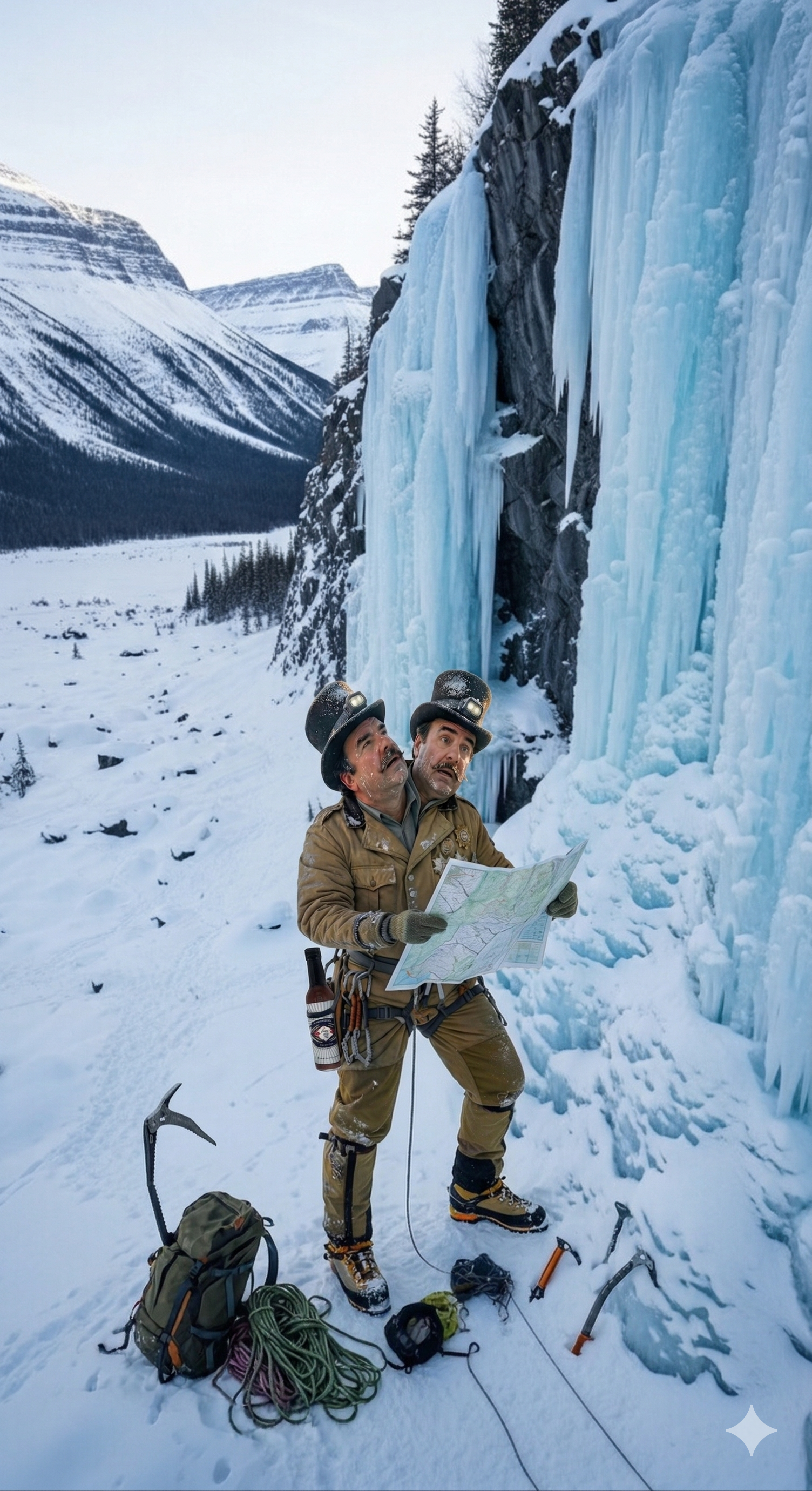
You have the gear and the courage. Now it is time for you to plan your first climbing trip. A good climbing experience starts before you ever step on the ice. Getting ready is important, because winter can change fast and catch you off guard. One good idea is to go to an ice park for your first time.
When you plan your day, you should do more than choose from the many ice routes. Make sure you check the weather and how the ice looks. Pack your things with care. Get your mind set for this new adventure. Follow these steps so your first climb will be a good memory.
Planning Your Route in Ice Climbing Parks
Ice climbing parks are great places for beginners. In an ice park, you are in a safe setting with many different routes, so planning where to climb is simple. To get going in a safe way, start out on easy, low-angled ice. This gives you a way to practice your basic climbing skills. Do not try the hardest route first, even if it looks fun or exciting.
If you are new, booking a guide service is a good idea. A guide knows the ice park well and can show you the best spots to climb. They will help you plan your day, check what level you are at, and pick climbs that are tough but not too much for you. So, you will know what to do, you will not waste time guessing, and you will learn fast.
Here are some tips to help you with planning your first routes at an ice park:
- Start Easy: Choose short and gentle routes. You can boost your confidence and work on your movements here.
- Observe Others: Watch how skilled climbers move and which routes they use. This helps you find the ones in the best shape.
- Hire a Guide: When you use a guide service, they take care of the planning. You just need to focus on climbing.
These steps help every beginner get the most out of their time in an ice park.
Checking Weather and Ice Conditions
Before you start an ice climb, it is important to check the weather and ice conditions first. You should always do this for your own safety. Ice can change fast. The ice features that looked solid yesterday might not be good to climb on today if there was some warm weather. This could turn what was a safe route into something that is not safe at all.
Always look up local avalanche updates and read recent climbing reports.
The weather is the main thing to think about. If there are two or more nights when it does not get colder than freezing, the ice features can get weak. This can make the ice break away from the rock. So, watch for all temperature changes, and see how the sun hits the ice climb you want to try. If you plan to climb a route that faces south, remember it gets a lot of sun during the day and could get unsafe in the afternoon.
Before you go, make sure you:
- Check Forecasts: Always check the weather forecast for the area where you will ice climb.
- Read Reports: Go online and look at forums or the service pages of your local climbing guide service for the newest reports on conditions.
- Be Prepared to Bail: If things do not look safe, it is okay to stop before you start climbing. Your safety is most important. You can come back and try when the conditions are better.
Packing Freakshow Savory Sauces for the Adventure
Packing for an ice climb needs some skill. You have to find the right mix of warmth, safety, and weight. But there is one light thing you should always bring: a bottle of Freakshow Savory Sauces. When you pack some bold flavor, it is always a good idea because it lifts your spirits and makes your climbing experience better, adding some heat to your trip.
If you are new to climbing and just starting out, it is best to think about the big things first like gear, layers, and the right food. Bring a thermos filled with a hot drink and put in a little Scorpion Reaper. That is a nice trick. It warms your body and gives you a big boost, which is very helpful when you get cold. It is such a small thing, but it can really change your whole day out on the ice.
Here’s how you can pack your sauce for the climb:
- Secure the Bottle: Be sure the top is closed tight and put it in a zip-top bag, so you do not have any spicy problems in your bag.
- Plan Your Snack: A bit of sauce on your sandwich or some crackers can make a plain lunch taste great.
- Hot Drink Addition: Put a little in your thermos of tea or hot chocolate. It's a nice surprise and a warm treat.
Beginner’s Guide to Using Scorpion Reaper for Ice Climbing
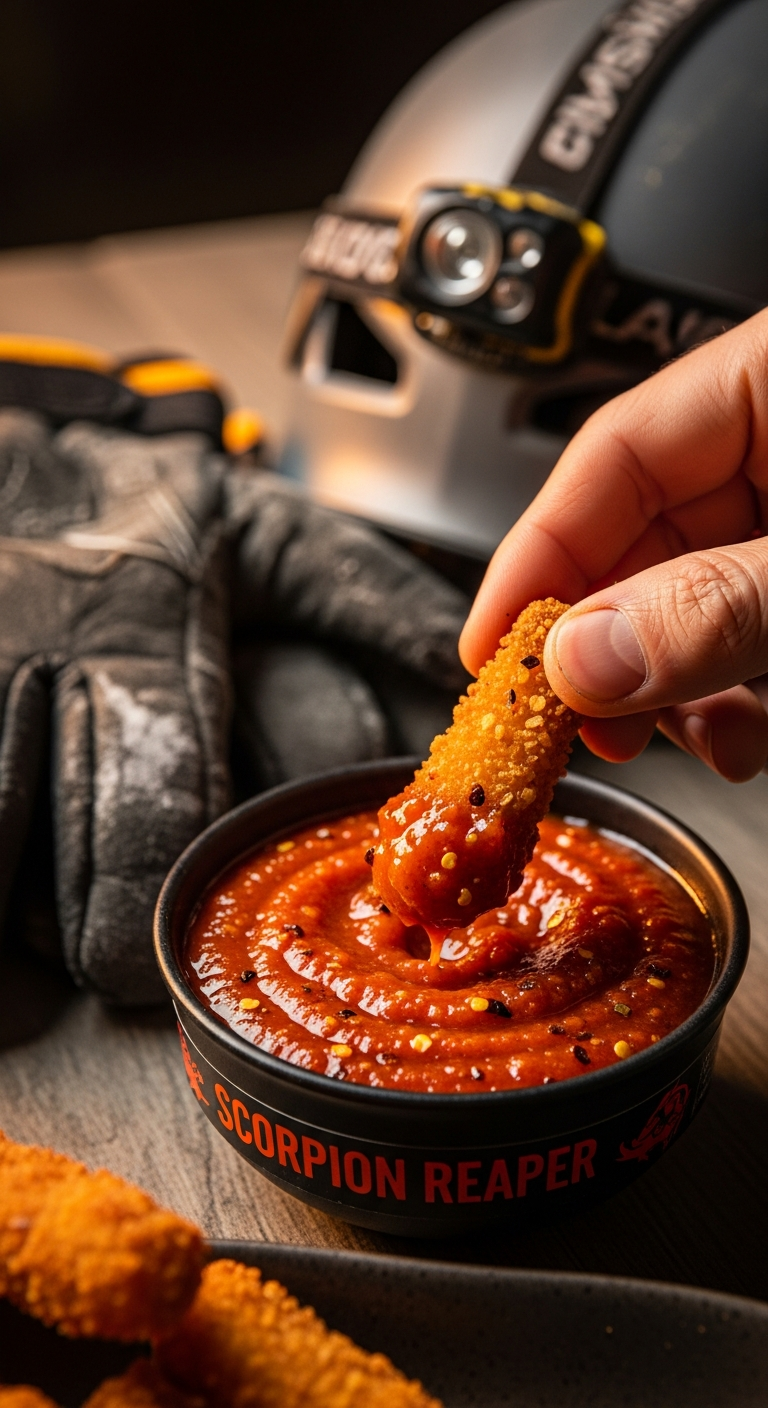
So, you are ready to mix the buzz of ice climbing with the heat of Scorpion Reaper. That is a great pick. This guide is here for the ice climber who knows that a climbing experience should be more than the climb itself. It should be a trip for all your senses.
We are not talking about putting Hot Sauce all over your gear. We want you to use its strong taste and heat in a smart way. This will help you get more out of climbing and enjoy it even more. Let’s help you grow your skill set. You can improve both on the ice and with your new favorite condiment.
What You’ll Need to Get Started
To get started with ice climbing safely, you need to have the right gear. This is very important before you do any ice climb. You should have a set of modern ice tools, strong mountaineering boots, and a good pair of sharp crampons. These three items help you hold on to the ice. They are also needed for you to go up and to stay safe. You also have to use a helmet and a harness.
If you are trying ice climbing for the first time, you can rent gear. Many stores and climbing guides offer rental gear packs. These usually come with everything you need for the climb. Renting lets you try the sport without spending a lot at once. It is a good way to find out if ice climbing is for you.
Here's your starter pack checklist:
- Essential Gear: Helmet, harness, mountaineering boots, crampons, and ice tools.
- A Guide or Mentor: The safest way to learn is with someone experienced.
- A Bottle of Freakshow Savory Sauces: For that extra kick of motivation and warmth.
Building Confidence as a New Ice Climber
Confidence in climbing comes with each swing you take. If you are a new ice climber, start slow. Take your time and learn the basics first. You do not need to climb hard routes yet. Work on moving well, getting your tool to stick right, and placing your feet with care. When you begin, focus on learning. Do not worry about trying to do more than you should.
A good and safe way for any ice climber to start is by trying top-roping. You can do this in an ice park or with a guide. This lets you think more about your way of climbing without the fear of a big fall. Try kicking your crampons in until you feel that they are solid. Try different swings to see how little effort you need for a good stick.
Getting better as a climber takes time. Be patient while you build your skill set. Feel good about small things like perfect tool placements or one balanced move. Every time you climb on the ice, you learn more. You need to trust your gear and remember your training. Let your confidence grow with each new climbing experience.
Where to Practice: Top Ice Climbing Parks in the USA
If you are just starting, an ice climbing park is a great place to learn. These ice parks give you many climbing routes in a safe and easy spot to get to. That makes them a good way to practice your new climbing skills. In the US, beginners often start out in these frozen parks that were made just for this.
Ouray, Colorado, has what most people say is the best ice park you can find. The Ouray Ice Park has lots of climbs close to town. It is easy to pick a route, whether you want a simple, more flat one or a tough, straight-up climb. This is the right spot to spend a few days and work on how you climb.
Some other good places for people who are new to ice climbing are:
- Bozeman Ice Festival Clinics, Montana: Here, you get guided help in Hyalite Canyon. It is one of the top places for lots of natural ice in the country.
- Michigan Ice Fest, Munising: Go to classes that take place on beautiful ice shapes near Lake Superior.
- Mount Washington Valley Ice Fest, New Hampshire: This classic East Coast event has a lot of chance for new climbers to get on the ice.
With so many options like the Ouray Ice Park, you will find something for you if you are a beginner wanting to try ice climbing in Colorado or other places in the US.
Step-by-Step Guide to Ice Climbing with Scorpion Reaper
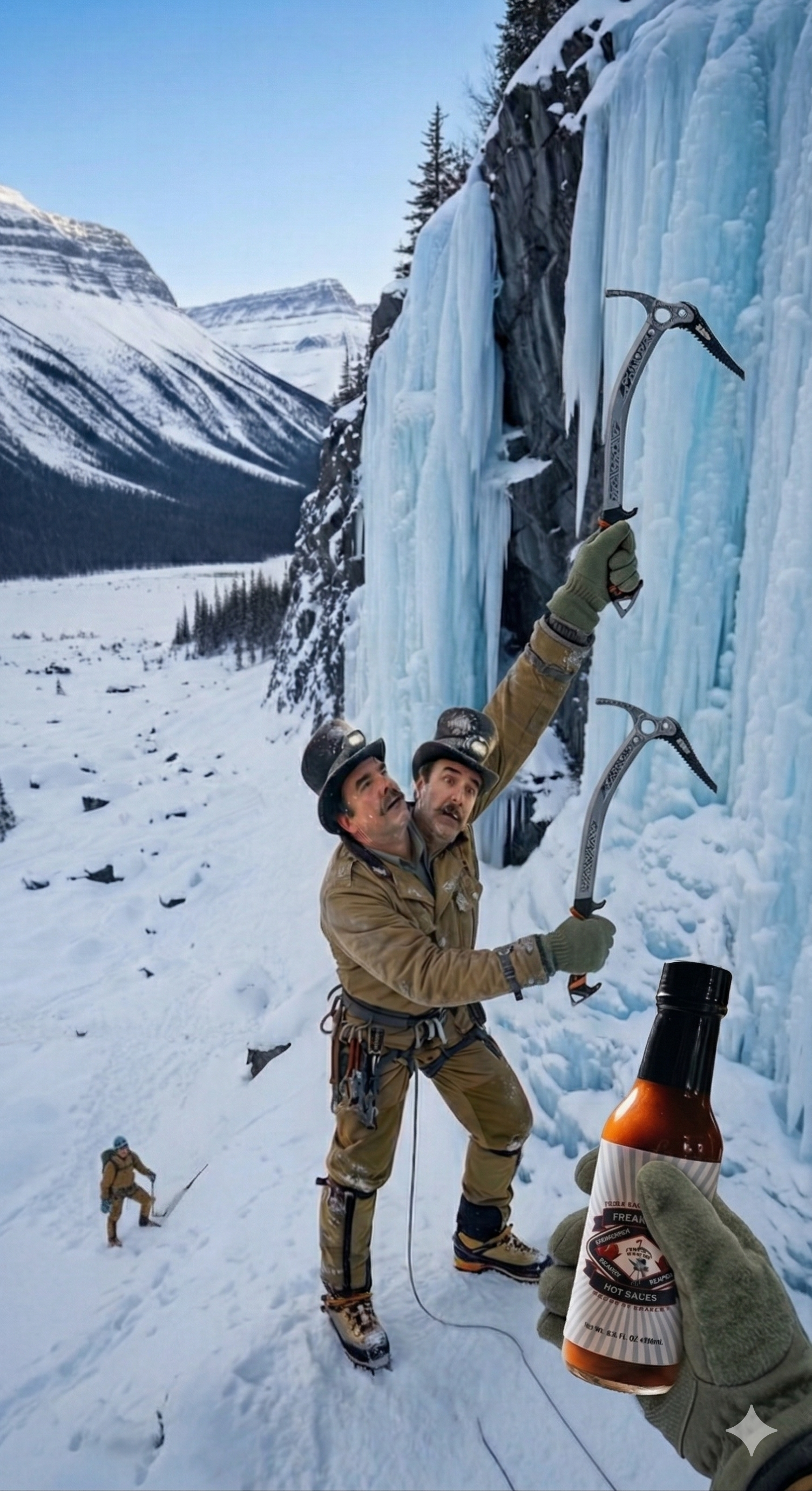
Are you ready to bring it all together? This easy guide shows you how to use the strong power of Scorpion Reaper in your next climbing day. This is where your climbing experience really gets better. If you follow these steps, you can get the most out of your skill set and enjoy your time as an ice climber.
You will see how to get your gear ready and keep your energy up out there on the ice. We’ll show how adding a bit of heat can help you become a better climber and stay warm. Let's start and make this your boldest climb yet.
Step 1: Preparing Your Gear and Sauces
The first thing you need for a safe and good day is to get ready before you leave home. Lay out all your things and look at each one. Check your ropes for any wear. Make sure your ice tools are still sharp. See that your crampons fit your boots right. If you are new to this, being careful with this step will help you be safe.
Next, get your food ready. This is where you can add some bold taste. Make your lunch and snacks. Think about how you will use your Scorpion Reaper sauce. Maybe you want to put it on a sandwich or mix it into your hot soup. Be sure to pack the sauce in a small, leak-proof container.
Your prep checklist:
- Gear Check: Look over all your gear, especially your harness, rope, and helmet.
- Sharpen Tools: See that your ice tools and crampons are sharp for a good hold.
- Pack the Heat: Pack your Freakshow Savory Sauces and think about how you will use them during the day.
Step 2: Warming Up with Scorpion Reaper
Before you step on the ice, you should warm up your body. This warm-up helps your blood move and gets your muscles ready. It’s very important for staying safe and lowering the chance of getting hurt while climbing. This is a good start for anyone who wants a safe climbing experience. But there’s something extra you can try for even better results.
Now, let’s add some bold taste. Take a small bite of something spicy or drink a hot drink with a little Scorpion Reaper. The pepper heat will wake up your body and go well with your warm-up routine. You will feel that heat from inside, giving you better insulation. This helps your climbing feel good right from the start.
Your warm-up routine:
- Dynamic Stretches: Arm circles, leg swings, and torso twists to get loose.
- Light Cardio: Walk fast or do jumping jacks to get your heart going.
- A Spicy Kick: Try a small bit of Scorpion Reaper to feel warm inside and stay sharp.
This simple plan will help you get the most out of your climbing, keep you safe, and add more comfort and insulation from start to finish.
Step 3: Navigating Ice Climbing Holds Safely
When you go ice climbing, you use the sharp points of your ice tools and crampons to make your own holds. The most important thing is to learn how to do this safely and well. You should look for natural dips or small holes in the ice features. These spots are often stronger for your ice tools. Try to swing your tool in one smooth move instead of hitting the ice many times.
For your feet, kick the front points of your crampons straight into the ice. You want to hear a solid “thunk” sound. It’s best to start on low-angle ice. This way, you can practice until it feels easy and you do it every time. People often forget to keep their heels down, and that can make your feet slip off the ice. Keep your heels down to push the sharp points into the ice for a better hold.
Safe hold creation tips:
- Look for Concavities: Put your ice tools in dips instead of on bumps.
- One Good Swing: Try to make one strong swing that puts the pick in well.
- Heels Down: Keep your heels level or down so your crampons stick to the ice.
Step 4: Climbing Techniques for Frozen Waterfalls
Climbing waterfall ice can feel like a dance, with every move needing rhythm and practice. The main way to climb is to make a strong tripod using your feet and one ice tool. Then, swing your other tool higher to get a better hold. One thing you might run into on frozen waterfalls is ice that is too hard or "rotten." This means the ice can break easily, so you need to be gentle with it. You have to learn how to spot these changes in the ice and change your way of climbing to fit.
Your climbing experience will get better when you find ways to move that use less energy. Use your legs the most to push yourself up and do not use your arms too much. Keep your hips close to the ice so you can stay balanced. When you swing your ice axes, let your elbow bend and use your wrist to give power, instead of using your whole arm.
Here are some top tips for moving up the ice:
- Use Your Feet: Press up with your legs, not by pulling with your arms.
- Stay Balanced: Make sure you keep your body steady and your weight right over your feet.
- Efficient Swings: Move your ice axes in a nice, smooth way each time to save energy.
Use these tips and you will climb waterfalls with more skill, and forget less energy along the way. Knowing how to use your ice axes and reading waterfall ice can help your climbing go better every time.
Step 5: Staying Motivated Through the Heat and Chill
Ice climbing is not just about being strong. It is also about having the right mindset. It can be tough to stay motivated when your fingers get numb and your calf muscles start to ache. This is when your hard work and planning really help. Taking short breaks and eating a spicy snack can help you reset both your body and your mind.
Here’s one simple tip to help your climbing technique: focus on resting your body when you can. When you make a sure placement with your tool, let your arms hang straight so your bones hold you up. This lets your muscles relax for a bit. Using a good pair of warm gloves to put on when you are belaying can really make you feel better. Often, a good climbing experience is about enjoying little things and staying comfortable.
You will feel the heat from the Scorpion Reaper and the cold from the ice at the same time. This is a different kind of feeling most people don’t get to have, so take it in. Let the fire you feel inside help you keep moving, even when it’s cold and tough. If you start to lose your drive, stop for a bit, eat something spicy, and think about why you like climbing—the thrill, the scenery, and the test of your limits.
Improving Your Ice Climbing Technique
After you know the basics, you will want to get better at it. Growing as an ice climber means you need to work on your fundamental skills and be more efficient. Each move you make should be careful and strong, so you can save your energy for the hardest part of the climb.
You can have a better climbing experience if you keep practicing and focus on your technique. Pay attention to your grip, your balance, and how you swing your tools as you climb. There is always a way to get better. Here are some easy tips to help you go from being a new ice climber to feeling more sure of yourself on the ice.
Top Tips for Better Grip and Balance
One of the best things you can do to get better at ice climbing is to let go of that hard grip. Holding your ice axe too tight will make your arms feel tired very fast. The new leashless tools are made so you can hold them light. Trust the climbing axe and try to make a smooth move instead of squeezing the handle.
Balance starts with your feet. Make a wide base so you feel sure and steady. Keep your hips against the wall. This way, you make a tripod shape that lets you swing your climbing tools without falling off. Try to shift your weight slowly from one foot to the other. You want to move soft and light, kind of like a cat would, not heavy like a lumberjack.
Tips for improvement:
- Relax Your Grip: Hold your axes just firm enough to keep control.
- Focus on Footwork: If your feet are strong, you stand better and move with more power.
- Hips to the Ice: When your weight is near the wall, it's easier to stay steady.
Mastering Front-Pointing and Swing Movements
Front-pointing is the main way you climb steep ice. You do this by kicking the sharp points at the front of your crampons right into the ice. To get better at this, work on kicking with focus and confidence. One good, strong kick works better and uses less energy than lots of small, weak kicks. Make sure your heels stay level so the sharp points grip well.
When you use your ice axes, swing them in one smooth motion instead of hitting hard. A good way to get better swings is to hinge at your elbow and then flick your wrist at the end. This helps you build up speed with the ice axes but does not tire your shoulder. Try to aim your ice axes at pockets or dents in the ice. This gives you a better hold and less work.
Mastering the moves:
- Confident Kicks: Put your feet in place with a steady, well-aimed kick each time.
- The Elbow-Wrist Swing: Swing your ice axes in one smooth move to save your strength.
- Aim for Features: Find natural soft spots in the ice to put your tools in.
Maintaining Your Ice Climbing Rope and Axes
Taking good care of your gear is important for your safety and to help it last longer. If you are climbing, your rope needs special care. Always use a rope that has a dry treatment. After you climb, let your rope air dry all the way. Do not leave it in the sun or near heat to dry. Check your rope often. Look for cuts or spots that look flat. Sharp points from your ice axes or crampons can hurt your rope.
Your ice axes and crampons need your help too. Make sure you keep the ends, the sharp points, of your ice axes and crampons nice and sharp. This helps you get better grip when climbing. Use a hand file to sharpen them. Follow the tool’s normal shape when you do this. After each time you use your tools, dry them well. This stops them from getting rusty. When you look after your gear, it will be ready to use when you go out next time.
Care and maintenance checklist:
- Rope Care: Dry your rope after each use and check it for damage before every climb.
- Tool Sharpening: Keep the sharp points of your ice axes and crampons sharp with a file.
- Dry and Store: Dry all your metal gear well to stop rust and store it the right way.
Ice climbing is a thrilling climb that can be even better with the right steps and the strong kick of Scorpion Reaper Sauce. This sauce brings a hot taste to your snacks, and gives you a natural push, so you can take on frozen waterfalls with energy. You do not have to be an expert climber to enjoy this sauce. Even if you are just starting out, it can make your climbing fresh and help keep you going when you face hard ice climbs. Each time you go up, you are not only on the ice, but you are growing more sure of yourself and learning more. So do not let cold weather stop you—bring some Freakshow Savory Sauces the next time you climb, and show your bold side. For more help on climbing, waterfalls, or being a better climber, get a free talk with our experts today!
Frequently Asked Questions
What are the best ice climbing locations in the US for a beginner?
If you are a new ice climber, a man-made ice park is the best place to start. The Ouray Ice Park in Colorado is the most popular. You can get to it easily, and it has many different ice routes. It's also simple for a climber to plan a day there. There are other good places for climbing too. Places with ice festivals, like Munising, Michigan, and North Conway, New Hampshire, are also great for ice climbers.
How do I maintain and care for ice climbing ropes and axes?
Taking care of your gear is an important skill set. After you go climbing, always let your ice climbing rope air dry in a spot away from direct heat. When you use your ice axes and crampons often, be sure to sharpen them with a file so they work well. Make it a habit to dry all your metal gear each time to stop rust. This is a good idea to keep things safe and help your gear last longer.
Are there any specific tips for improving my ice climbing technique?
To get better at climbing, start by working on the fundamental skills. Hold your ice axe with a relaxed grip to save your energy. Keep your hips close to the ice and spread your feet wide for better balance. The key to a good climbing experience is moving in a smooth way, not by using all your strength. Practice these basics to help with your grip and balance when you use your axe.
How are ice climbing grades determined and what do they mean?
Ice climbing grades show how steep and tough ice routes are. The Water Ice (WI) scale starts at WI1. WI1 means the ice is at a low angle and easy to climb. The higher the number, like WI7 or more, the route gets harder. Those have long or overhanging ice pillars. The physical challenge of the route goes up as the grade number goes up. The UIAA also has grading systems for climbing in alpine areas.