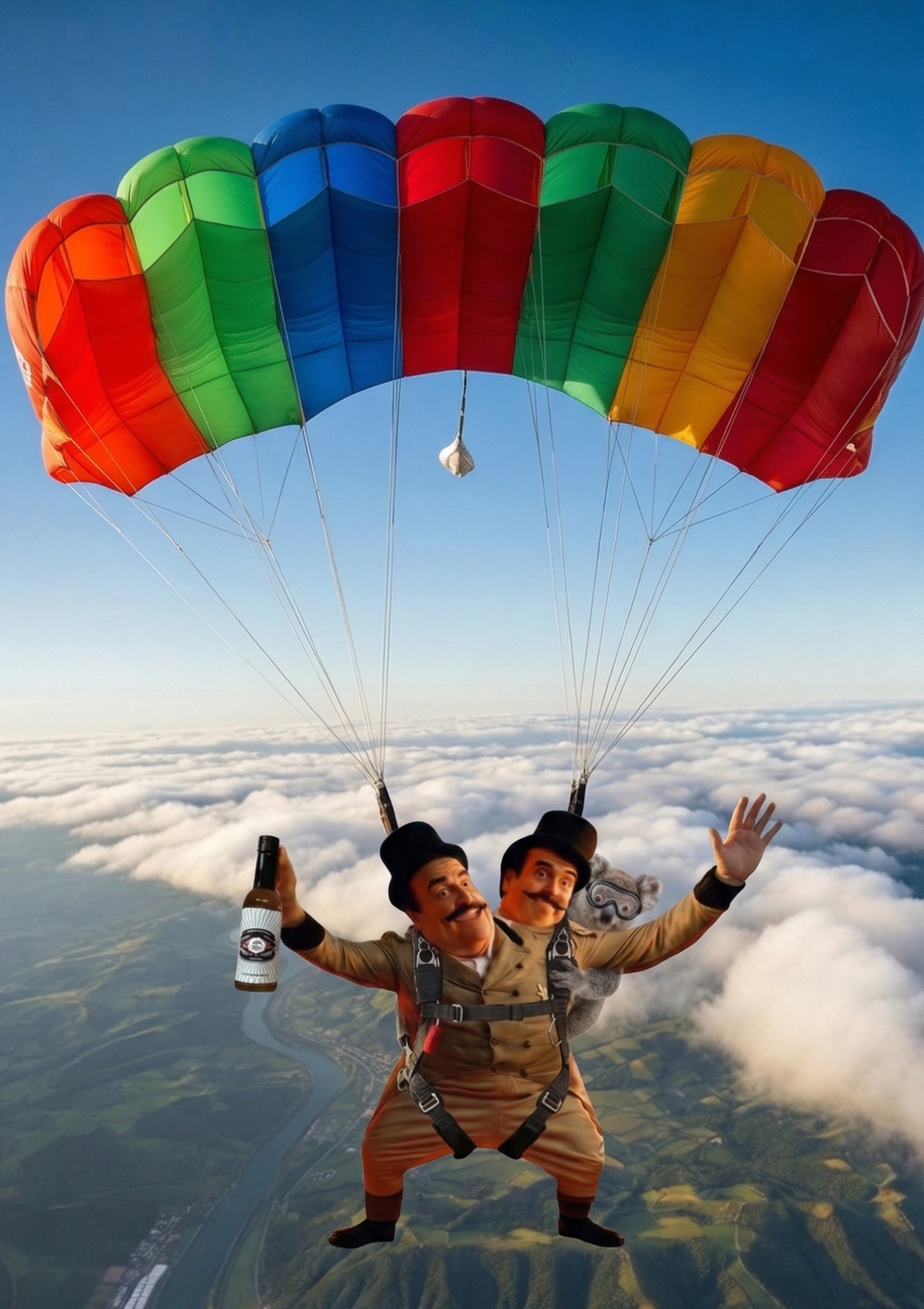



Experience Paragliding: The Thrill Awaits You!
Experience the Thrill of Paragliding: A Beginner’s Guide
Key Highlights
- Paragliding is the simplest form of free flight, using a lightweight wing to soar on air currents.
- Modern paragliders are packed with safety features, making the sport accessible for any skill level.
- Your paragliding adventure begins with certified training, where you'll learn everything from launch to landing.
- Essential gear includes a paraglider wing, harness, helmet, and a reserve parachute.
- This guide covers top paragliding spots in the United States and how to prepare for your first flight.
- Ignite your post-flight celebration with a kick of hot sauce for the ultimate adrenaline rush.
Have you ever looked up at the sky and thought, "I could fly that"? If you have, you are not the only one. Starting your paragliding journey is more than just something fun, it can help with your personal growth and fill your days with unmatched excitement. To be a paragliding pilot is not about being wild. It is about having skill, finding calm, and seeing the world in a new way, from up high like a bird. This guide will help you turn your dreams of flying into real life, no matter your skill level right now. Get ready to swap your walking shoes for wings.
Discovering Paragliding: The Ultimate Adrenaline Experience

So, you want a rush of excitement but not the kind that makes you worry later? You should try paragliding. This is the closest you can get to being like a bird, without having wings. A paragliding adventure is a mix of calm and thrilling moments. It is great for any beginner who wants some personal growth in a new way.
If you have a new paraglider, your trip will start on a soft hill, not a high cliff. You just need to take a few steps. Then, you are in the air. You get to fly. Now, let’s talk about why this sport is so exciting and how you can stay up there with your paraglider.
What Makes Paragliding Unique
Paragliding is all about keeping things simple. You just need a paraglider wing, a harness, and a helmet. The gear is so light you can put it all in a backpack. This lets you start from small places, so you can use almost any hill as your runway. It’s like flying, but you do not need an airport or a pilot’s license.
What is great about paragliding is that anyone can do it, no matter their skill level. Paraglider wings come with different characteristics, so it works for beginners and people with more experience. You do not need to be really strong. The best thing to have is clear thinking and a calm way of handling the paraglider.
This makes paragliding easy to try for most people. You do not jump from planes—instead, you start from a hill and fly gently. When you paraglide, you are not just dropping down and waiting to land. You are flying in the air in a smooth, quiet way. It gives you a strong feeling of freedom.
The Science Behind Staying Aloft
Have you ever thought about how a huge fabric wing can keep you safe in the sky? It’s not a trick or magic, but all about science. The base of paraglider flight theory is that pilots use air currents to help them fly. They look for thermals, which are warm columns of air going up. These help them gain altitude and let them stay up for a long time. This is what makes true free flight possible.
A paraglider is made with a wing shape that creates a pressure difference. When air moves across the curved top and the flat bottom, it makes the wing lift. You can think of a fabric wing like an airplane wing, but it’s smaller and much easier to carry—and, many would say, a lot more fun.
Pilots guide their flight by changing the angle of attack and shifting where they sit. When they pull the brake lines, it changes the wing shape. This lets them turn, slow down, or flare up so they can land soft and safe. Flying a paraglider is all about small moves. These let you move across the sky in a smooth way with the wind.
Comparing Paragliding, Hang Gliding, and Skydiving
People often lump paragliding, hang gliding, and skydiving together, but they're as different as salsa and BBQ sauce. Parachuting, or skydiving, is all about jumping from a plane and making a rapid descent under a canopy designed to slow you down. It’s a thrilling drop.
A paraglider, on the other hand, is built to soar. Like sailplanes, these gliders are designed to go up, not just down. Hang gliding is similar, but a hang glider has a rigid frame, while a paraglider is a soft, inflatable wing. This makes the paraglider much easier to transport and set up.
Think of it this way: skydiving is a high-speed elevator down, while paragliding and hang gliding are scenic flights where you are the pilot.
| Feature | Paragliding | Hang Gliding | Skydiving |
|---|---|---|---|
| Goal | Soaring flight, gaining altitude | Soaring flight, covering distance | Controlled descent to the ground |
| Equipment | Soft, inflatable wing (canopy) | Rigid-frame wing | Parachute deployed during free-fall |
| Launch | Foot-launched from a slope | Foot-launched from a slope | Exit from an aircraft in flight |
| Control | Weight shift and brake toggles | Weight shift with a control bar | Steering toggles on the canopy |
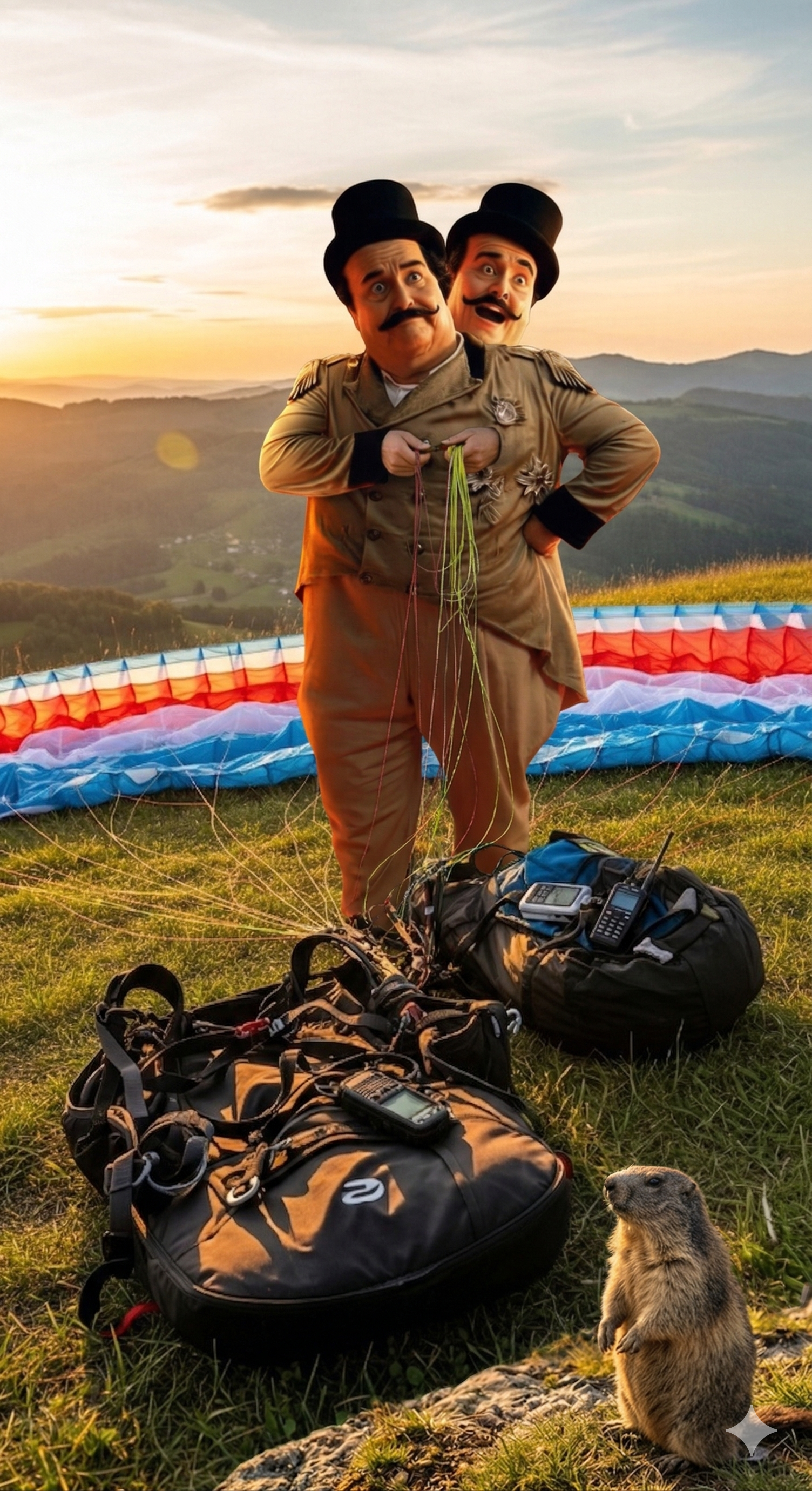
You can't just show up with a bedsheet and hope everything goes well. Getting the right gear is the first thing you should do. You need a paraglider wing, a harness to sit in, a helmet, and a reserve parachute so you feel safe. This is not the time to save money, because your safety gear is there to help you every time you are up in the air.
Besides the basics, you will need a few tools when you fly. These are like your dashboard while flying. We will tell you what you should have, from the paraglider wing to the gadgets that help you stay up-to-date.
Paraglider Wing and Harness Explained
The paraglider wing is the most important part of your paraglider. It is your wings and your engine. You use the high-tech fabric wing to get up in the air. The wing has an aerofoil shape that helps make lift. Even though the wing is lightweight and can go in a backpack, do not think it is weak. The paraglider wing is made to give performance and safety. There are wings for different skill levels. If you are a beginner, you will start with a wing that is stable and easy to use.
The harness is not just a place where you sit. It is like your cockpit in the sky. You have a comfortable seat that will hold you safe. The harness connects to the paraglider wing by many straps that are strong and will keep you in place. You can sit well in the harness and fly for a long time with both safety and comfort.
Some harnesses have smart things like pockets for gear and built-in safety. Your instructor will help you find a paraglider wing and harness that is good for your size, your weight, and your skill level. That way, you can get a great fit for any flying you do.
Must-Have Safety Gear
When you are high up in the air, "safety first" means much more than just a saying. It's the rule you must follow. Your safety gear is not optional. Modern paragliders have strong safety features, but having a backup is part of smart flying. It is also very important if you ever need to follow emergency procedures.
The top piece of backup gear is your reserve parachute. If you have a big issue with your wing, which does not happen often, you can use the reserve parachute for a safe descent. Think of it as your last line of safety, and knowing how to use it is a big part of training for modern paragliders.
Besides the reserve parachute, you must have some other key items. Your instructor will keep teaching these safety procedures until using them feels normal.
- Helmet: This is to protect your head when you take off, land, or get a surprise hit. You need to wear one every time, no excuses.
- Gloves: These let you hold your controls better and protect your hands.
- Sturdy Boots: These support your ankles when you take off or land on rough ground.
Instruments and Accessories You’ll Need
Flying without the right tools is like driving and not knowing how fast you go. You can try it, but why take that risk? The main instruments give you the facts you need for safe and sure flying. They help you make better choices and fly with more precision. These tools let you know what the air does all around you.
One tool you really need is the variometer, or "vario." This small device tells you if you go up or down, and how quickly that happens. It makes a happy beep when you enter lift, where air takes you up. When you are sinking, it makes a sad buzz. This lets you look for thermals and get more altitude.
Some other things help you watch the weather conditions and keep track of where you are. You could use devices for each job, but now a lot of pilots use smartphone apps. These apps give all you need in your hand.
- GPS: Lets you see your flight path, speed, and where you are.
- Anemometer: Checks wind speeds, so you can decide when to launch.
- Radio: Lets you talk to your instructor and other people who fly.
Choosing the Right Hot Sauce for Your Adventure
After a day spent riding thermals and taking in the amazing views, you want to celebrate the right way. The best way to keep the excitement going is to try a splash of hot sauce that tastes incredible. Picking the right sauce will make your after-flight meal feel special and it will end your paragliding adventure in a perfect way.
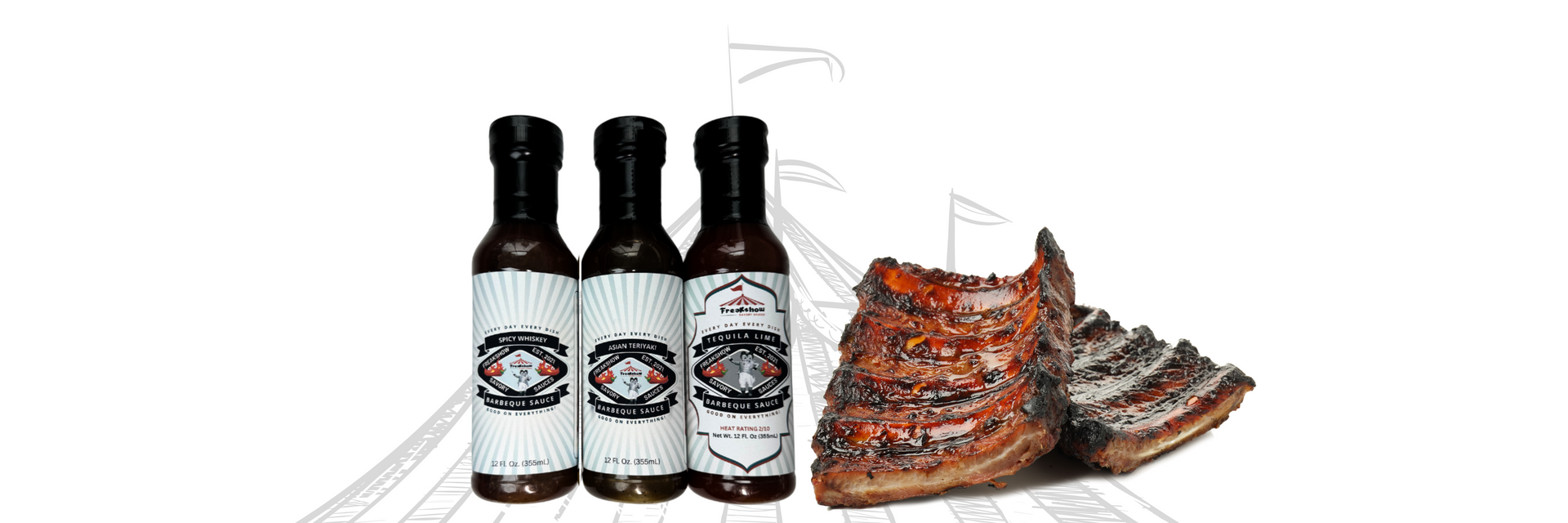
Like how paragliders all have different characteristics, sauces are not the same either. You should pick a sauce that matches how bold your day was at that altitude. The United States is full of food choices and there is so much to try. You can find the taste that goes well with what you just did. There is Freakshow Savory Sauces in Kansas City that stand out as your flavor buddy.
Don't buy just any sauce. Take some time to think about what goes best with your meal after this big moment.
- Tequila Lime BBQ Sauce: This sauce is great if you want to grill after flying.
- All Purpose Seasoning: Use these to get your meal ready even before you start your adventure.
- Smoky Herb Seasoning: Sprinkle these on snacks while you talk about your flight.
- Scorpion Reaper Hot Sauce: Try this when you want to feel that high altitude fun all over again.
Preparing for Your First Flight

Wait before you jump in. Good preparation is what makes a paragliding pilot do well. It also keeps you from making big mistakes. Your time starts on the ground. The first thing to do is to find a certified training school. At this place, you will learn all the skills you need. You will get to know about weather. You will work with your gear. This is true no matter your skill level.
You must also know the fitness you need, and the simple rules that go with flying. Let's look at each step so you will get ready for your first flight to be safe and exciting.
Finding a Certified Training School in the US
Your instructor will guide you as you learn to fly, so picking the right school matters most. In the United States, try to find schools that the USHPA certifies. This group stands for the United States Hang Gliding and Paragliding Association. If the school has this, you know they follow safe rules and a good plan for teaching.
A good school will also teach you in a way that fits your skill level and how fast you learn. You do not only want to fly—you want to be a safe and sure paragliding pilot. It is okay to ask questions and read reviews when you choose a school. You should also speak with people who have learned at that school.
You need to trust your instructor. This person will not only show you how to fly but also help you use safe thinking and make you respect what this sport is about. The way you work with your school is very important and will help you all through your time as a paragliding pilot in the United States.
Meeting the Fitness and Age Requirements
You don’t have to be a superhero to try paragliding. But you do need some basic fitness. This sport is not about using all your strength. It is more about having the right light touch. Still, there are a few things your body will need to do. You should be able to jog a little bit for takeoff and sometimes carry your gear up a hill to get to the launch spot.
The age people start paragliding changes from school to school. In both Europe and the US, there are students as young as 10 and some as old as 80. What matters is not just your age. You should feel good both in body and mind. The most important thing is to listen well, think clearly, and focus on safety procedures. This is more important than just your age or being strong.
Here is a short look at what you need:
- Mobility: You have to be able to jog a bit even if the ground is not flat.
- Weight: A pilot should be in a weight range that is right for the paraglider.
- Mental Alertness: You need to think fast and follow directions.
Understanding Basic Rules and Regulations
You may be surprised, but the big open sky has its own traffic rules. If you want to be a paragliding pilot, it is important to know these basic rules and laws to keep everyone safe. In the United States, free flight in paragliding is under Federal Aviation Regulations Section 103. This means you do not need a license for free flight.
But the sport is also controlled by the USHPA. This group gives rules for paragliding pilot ratings and has rules for flying at each place. For instance, some places to fly will ask for a certain rating, like the P2 Novice rating, before you can go there. The rules are built on everyone showing respect and being responsible.
You can think of this as a code you follow. You will get to know rules in the air, like which pilot gets to go first if two are near a ridge together. If you stick to these rules, the sport stays safe and we all get to enjoy time in the sky longer.
Packing Checklist: Clothing, Gear, and Hot Sauce
A good day in the air begins with a solid checklist. If you leave out one important item, the plan can stop before it starts. You really do not want that to happen. Your gear bag should be with you all the time, and have all you need for a safe and fun flight with your paraglider.
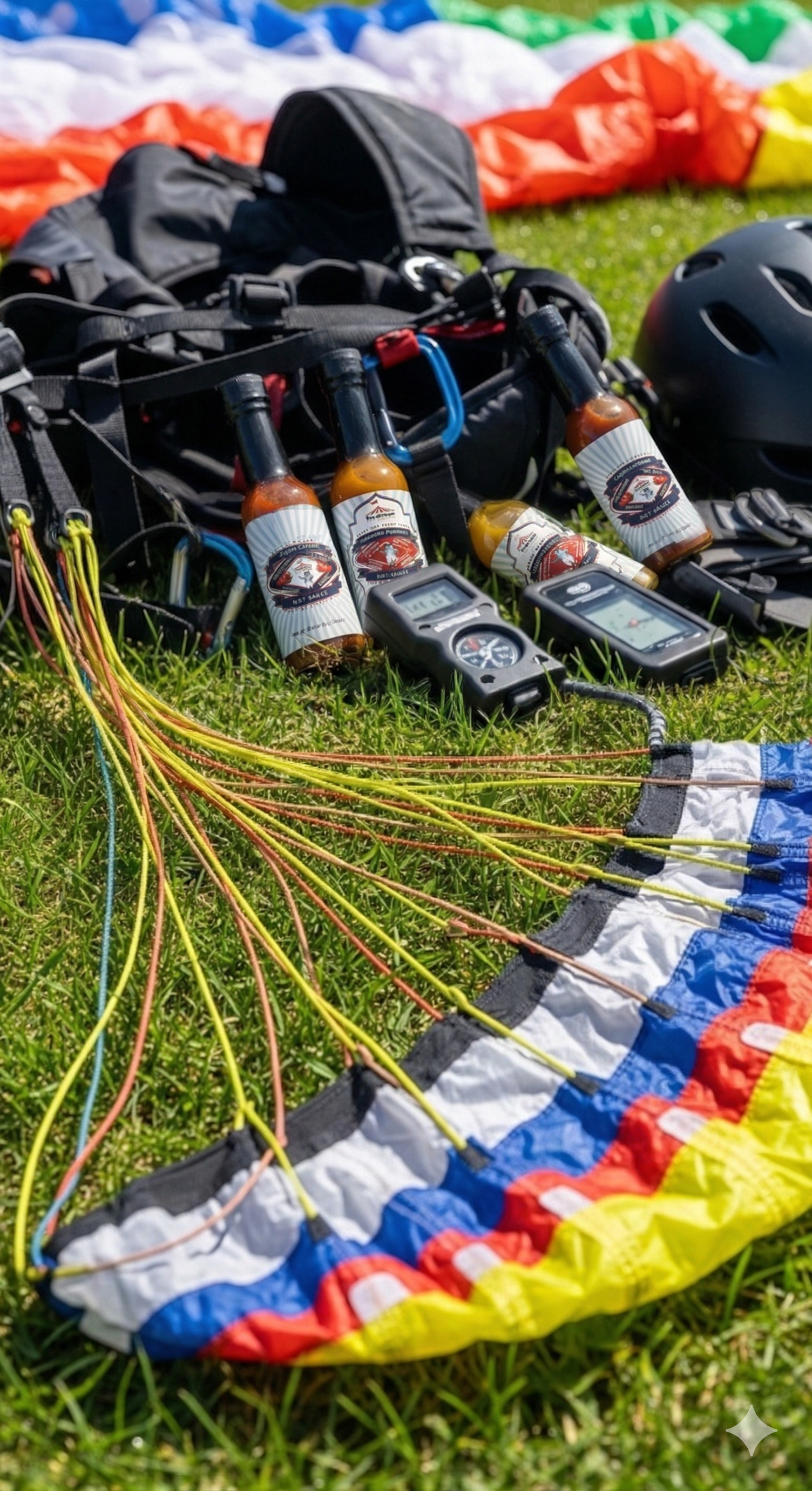
You should split your list into sections. There should be flight gear, safety gear, instruments, and things for you. Proper clothing will help so much. Go with layers because it gets cold at higher altitudes, and be ready for that. After you fly, you will want something for your meal. Do not forget to bring your best hot sauce for the party after.
Here is a simple checklist to help get ready:
- Flight Gear: Paraglider, harness, and helmet.
- Safety Gear: Reserve parachute, gloves, and good boots.
- Instruments: Vario/GPS and your radio charged.
- Personal Items: Water, snacks, sunscreen, and clothes in layers.
- Celebration Supplies: Freakshow Savory Sauces for the BBQ win.
Step-by-Step Guide to Learning Paragliding
Becoming a pilot takes time. It is not something that happens all at once. You need to follow a step-by-step paragliding course. The course will help take you from being a complete novice to someone who is certified and ready to join the paragliding group. Your training will begin on the ground. You start with ground handling before you go up for your first launch.
As you go through the course, you will learn how to launch. You will also find out how to use the controls when in the air and how to land the right way. Every part helps you get better for the next. When you finish all the steps, you get your certification. Here is a look at the steps you need to earn your wings.
Step 1: Enroll in a Paragliding Course
The first real step is to commit to a paragliding course. This is where you start your journey. It’s important to pick a certified training school, because they give you a safe and well-structured place to learn. Your course will mix classroom time with hands-on lessons.
You will learn the basics of flight theory. You will find out about the weather, how things fly, and rules for being in the air. This part on the ground is just as good as the time you spend flying, because it helps you make the right choices while in the sky. The school will check your skill level. This way, they make sure the lessons move at a pace that works for you.
A typical novice course includes:
- Ground School: Facts about weather, flight theory, and safety.
- Ground Handling: Learning how to move and control the wing while still on the ground.
- Supervised Flights: Doing your first solo flights, but with someone helping you by radio.
Step 2: Master Ground Handling Techniques
Before you can fly your fabric wing, you need to learn how to control it on the ground. This is called ground handling. It is one of the most important things you will get to know. In ground handling, you will learn to inflate, move, and take care of your paraglider in the wind. Your feet will not leave the ground during this time.
When you get good at ground handling, you will see how your wing acts. You will notice how the wing moves with strong and light wind. You will get better at using the aerofoil by working with the brakes and your own movements. With this training, you start to know your glider very well. This is very important for safe launches and good safety procedures.
Think of this as getting to know the personality of your fabric wing. You will put in many hours of practice for this. It may look boring, but you need this for your flights later on. Good ground handling means you are safe, and it shows that you are a well-trained pilot.
Step 3: Practice Launch and Landing
Once you can control the wing on the ground, you are ready for the main moment: your first takeoff. Paragliding takeoffs are smooth and easy. You will start on a small training hill. After some short runs down the slope, the wing will lift you into the air in a gentle way. Your instructor will talk to you through the radio and guide you every step.
Landing is just as important as taking off. The aim is to touch down softly and stay on your feet. You will learn how to flare the glider by pulling the brakes down. This move slows both your descent and forward speed. It also bends the trailing edge of the wing to act like an air brake.
On your first flights, you will only be a few feet above the ground. You will practice takeoffs and landings again and again. As your skill level gets better, you will go to bigger hills for longer flights. Still, the main steps stay the same.
Step 4: Learn In-Flight Controls and Maneuvers
You’re up in the air! So, what do you do now? The next thing is to learn the in-flight controls. This helps you be a real pilot. The main parts you will use are the two brake toggles and your own body weight.
When you pull on a brake, the glider will turn because of it. If you use both brakes, you control your speed and how you go down. This is how you manage your descent.
Weight shift is a big skill, too. When you move your weight in the harness, it starts and helps with turns. This makes your turn smooth and can help you turn better. Using weight shift together with the brakes lets you guide your flight path very well. It is a small change, but it is a strong way to steer your glider.
You also need to learn about the wing's angle of attack. Keep the right pressure difference to stay stable up there. Your instructor will show you some basic maneuvers in the air. You will learn how to answer to air moves and fly your glider with control and confidence.
Step 5: Get Certified and Join a Community
The last thing you need to do in your first training is to get your certification. In the US, this will most often be the USHPA P2 (Novice) rating. This lets others know that you have learned the main skills to fly a paraglider by yourself at novice sites. It is a big moment for your personal growth as a pilot.
It will usually take from 7 to 14 days to get this done. That will depend on the weather and how fast you learn. But keep in mind, your time as a student never really ends. Paragliding is all about learning as you go. Once you have your novice rating, you can join more people who fly paragliders. This is when you find mentors. You also meet flying friends and a lot of help in many areas.
Joining a club nearby or an online group is a good way to:
- Discover new places to go with your paraglider.
- Get tips about the weather or what you need when getting a new paraglider.
- Share what you know and join a group that loves to fly like you.
Safety Tips for First-Time Pilots
Paragliding is an adventure sport. With adventure, there is some risk. But do not let that stop you. If you have the right training and a good mindset, the sport can be very safe. To enjoy flying for a long time, you need to know the risks. You also need to follow the right safety procedures.
It all comes down to being smart about your choices. You must know when it is time to fly and when to stay on the ground. We will talk about how to look at weather conditions, what steps to take if there is an emergency, and how to stay away from the common mistakes.
Common Risks and How to Avoid Them
The main risks in paragliding are pilot error, changing weather, and problems with gear. The good thing is that you can deal with all of them. Most accidents happen because people make mistakes. That is why getting good training and not getting over-confident is so important. Do not fly if your skill level is not enough for the current conditions.
Weather can change fast. You may start with nice weather and it can get bad in no time. It is very important to check weather forecasts and look at the real sky before you go up. Learning to do this is part of good safety procedures. If you are not sure about the weather, do not go. It is safer to stand on the ground wishing you could fly than to be in the air wishing you were safe on the ground.
Problems with your gear, like your parachute or harness breaking down, do not happen often, but they still can. That’s why you must always do pre-flight checks. Make sure you know your emergency procedures. For example, you should know how to use the reserve parachute if you need to make a safe descent.
- Always pre-flight: Make sure you check your wing, lines, and harness before every single flight.
- Stay humble: Fly at your skill level and listen to what more experienced people say.
- Watch the weather: Always keep learning about the sky and its changes.
Weather Conditions for Safe Flying
Paraglider pilots pay a lot of attention to the weather, and there is a good reason for that. The right weather conditions help make a flight safe and fun. The wrong weather can be risky. If you are new, you should look for light and steady winds. The best wind speed is usually between 5 and 15 mph. When the winds are stronger or gusty, it gets much harder to launch and control your paraglider.
You might find new love for sunny days. They give you beautiful views and also create warm air currents. These air currents, called thermals, act like invisible elevators. They let you get more altitude and stay in the air for a long time. But if the warm air currents are too strong, it can cause bumps and tossing in the air, so there is a balance you need to keep.
Do not fly in higher winds or when it is raining. Stay away from the sky if thunderstorms are possible. The training you get will include learning about weather and how it works. You will learn to read weather charts and spot signs in the sky. Before you go out to fly, check the forecast from a few different places. Your safety depends on how well you keep an eye on the weather.
Emergency Procedures Every Beginner Should Know
Hoping for the best, but being ready for the worst, is what a smart pilot does. You need to know your emergency procedures well. This is a basic part of your training. Modern paragliders have some good safety features, but you still have to know what to do if things go wrong.
The most important emergency procedure is using your reserve parachute. In your training, you will practice this on the ground again and again until your body remembers the motion. If you ever have a wing collapse that you can't fix, your reserve parachute is there to give you a safe and steady descent.
Your teacher will show you how to handle other problems too, like when the wing deflates, and how to plan where to land in an emergency. The most helpful thing to do is to stay calm, remember your training, and make choices quickly.
- Reserve Deployment: Know where the handle is and practice how you use it.
- Active Piloting: Learn how to keep the wing flying right or fix a wing deflation fast.
- Emergency Landing Plan: Always look for good spots to land before you fly and while you are in the air.
Where to Fly: Popular Paragliding Destinations in the US
The United States is a big playground if you love flying a paraglider. You can find many top spots to enjoy paragliding from one coast to the other. Some places have gentle hills, perfect for your first flights. There are also big, epic mountains if you want to try a cross country flight. No two sites are the same. Each one offers its own paragliding adventure.
You can start in the mountains that are in Utah or head to coastal ridges in California. There really are so many places to pick from. Below, you will see some of the top places to start as a beginner and some that will give you a bigger rush when you want more.
Top Spots for Beginners
When you start out as a beginner, you look for flying places that are both easy and fun. The United States has a lot of good spots for new pilots to try. Most of these sites come with big, grassy areas to take off, clear places to land, and light, steady winds.
Point of the Mountain in Utah is maybe the best-known spot in the country for training. It has steady ridge winds that work well for people of different skill levels. The people around there are friendly, and you also find some of the best schools in the area.
There are many more places that help people learn to fly. These give you a good set-up to grow your skills and to feel more safe and sure as you go higher.
- Point of the Mountain, Utah: Called a paragliding hangout with nice winds you can enjoy.
- Torrey Pines, California: Has wide ocean views and soft winds from the sea.
- Lakeview, Oregon: Lets you go up at a high altitude and land in a big, open space.
Scenic Locations for an Adrenaline Rush
After you have spent some time in the sky, you might want even more excitement. The United States has many beautiful places that are great for flying higher and going farther. These spots let you climb to a high altitude and head out on long cross country flights.
Think about taking off from a big mountain in the Rockies. You can fly for miles above the wild lands and see nature all around you. You can also fly over the deserts in the Southwest and see amazing views. These trips are not just regular flights. They turn into stories you will remember for the rest of your life. They also help you grow your skills as a pilot.
You get more than a ride here. There is a whole new experience waiting for you.
- Sun Valley, Idaho: This place is known for big mountain flying and good lift to help you climb.
- Owen's Valley, California: People from all over the world come here. It is the spot if you want to try long cross country flights.
- Jackson Hole, Wyoming: You can fly alone or with someone and see the Tetons like never before. The views are something most people do not get to see.
How Local Culture and Hot Sauce Enhance the Experience
A paragliding adventure is not just about the time you spend in the air. It’s about the whole experience. When you get to know the local culture of the places you visit, it adds something special to your trip. Each area in the United States has its own feel, from the food you eat to the people you meet. Learning about these things also helps with your own personal growth.
So, what is the best way to jump into a new culture? You do it through the food! Many pilots end their day of flying by eating a meal from the area. It’s a great tradition. And, there’s nothing like enjoying that meal with a great hot sauce on top. Passing around Kansas City BBQ sauce or other spicy things is a fun way to connect with other pilots and share a good time.
Putting the adventure together with the new things you try in each town makes every trip one you will always remember.
Paragliding can give you both excitement and amazing views. If you like adventure, this is something you should try at least once. The right gear and knowing safety rules are very important before you start your paragliding journey. This will help you have a safe and fun time in the air. While you get ready for your first flight, it is good to enjoy the moment and maybe even bring some hot sauce to make things more fun. Are you ready to fly high? Buy your Freaksauce for you next adventure now.
Frequently Asked Questions
Is paragliding safe for beginners?
Yes, paragliding can be safe for new people if you get the right training from a paragliding pilot who is certified. Modern paragliders come with good safety features. When you learn the safety procedures, understand the risks you may face, and know what to do in case of emergency procedures, you can lower the danger and have a good time with this sport.
How long does it take to become certified?
Getting a Novice (P2) certification usually takes about 7 to 14 days of training at a school with the right certification. How long it will take you depends on the weather conditions, as well as your skill level and how fast you learn. After you get your certification, you can keep learning by joining the local paragliding group.
What equipment is absolutely essential?
The most important things you need are a paraglider wing, a harness, and a helmet. You also need a reserve parachute for safety. You do not have to have it to fly, but using a variometer is a good idea. It helps you fly the paraglider more safely and well. Every pilot should try to have one.
What’s the difference between paragliding and skydiving?
Paragliding is when you start from a slope and ride on air currents. You use a wing, also called a canopy, that is made to stay up in the air and help you lift.
Skydiving, or parachuting, is when you jump from a plane and go down in a controlled way. A paraglider helps you go up in the air. A parachute is made for going down fast, but still safe.