

Thrill Seekers Unite: Wingsuit Proximity Flying Adventures
Get Your Adrenaline Fix with Wingsuit Proximity Flying

Key Highlights
- Wingsuit proximity flying gives you the biggest adrenaline rush. It lets you get very close to mountain sides.
- You need lots of training. Start with hundreds of skydives before you try using a wingsuit.
- Proximity flying has changed a lot through the years. Now, there are tricks no one dreamed of before because pioneers and better wingsuit designs made it possible.
- You must have safety gear. This means a wingsuit, a parachute, a helmet, and an altimeter.
- Famous wingsuit base jumpers have done some jumps that set new records for what people can do in this sport.
- A perfect glide ratio helps you move over the ground the right way, stay safe, and do flights that take people’s breath away.
Ever see a flying squirrel and think, "I want to try that, but jump off a cliff?" That is what wingsuit proximity flying is all about. This is the wildest type of wingsuit skydiving you can get into. You use a special wingsuit to glide very close to rocks and trees, making the sky your own playground. If you want big doses of adrenaline and views that most people never get, this is a good place to start with proximity flying.
The Thrill of Proximity Wingsuit Flying
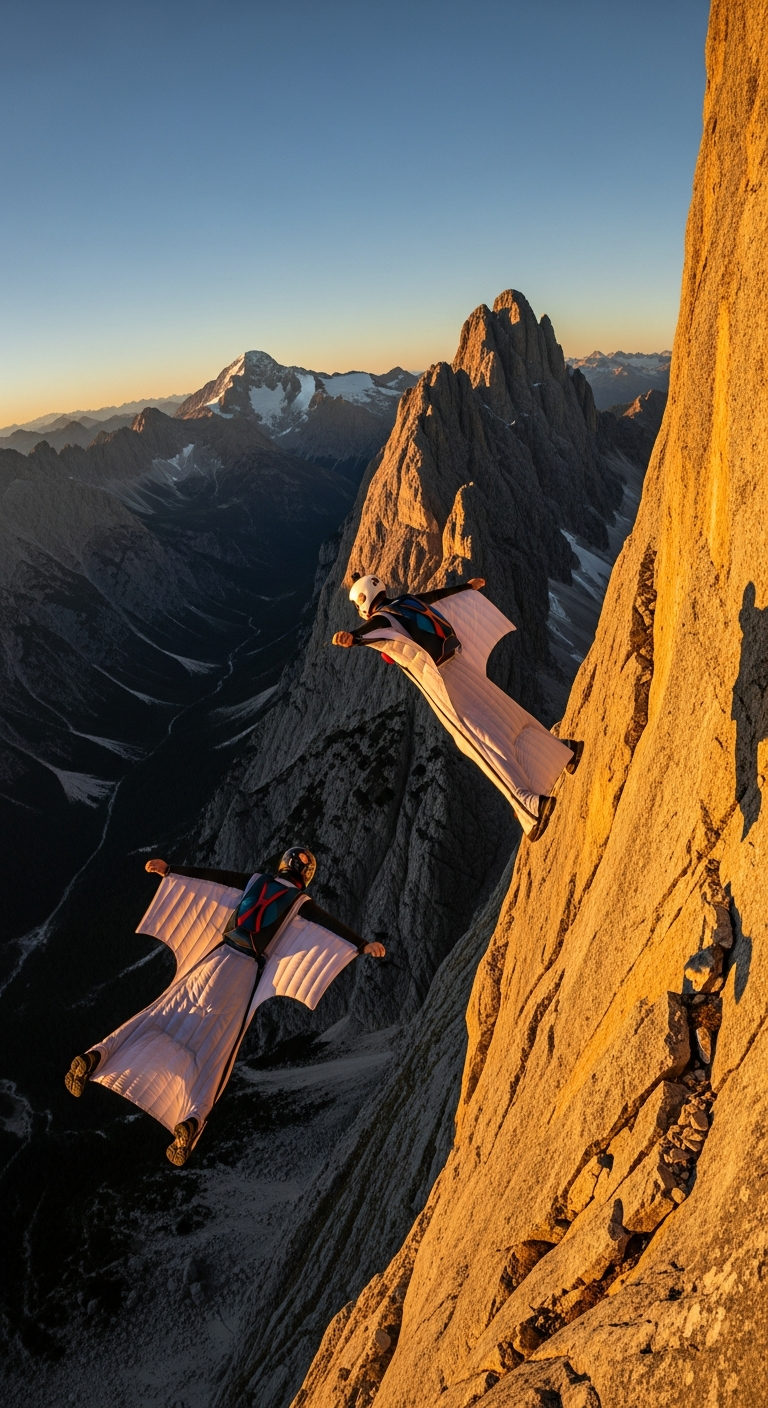
Wingsuit proximity flying is a lot like the difference between looking at a picture and standing near the Grand Canyon. You get to feel the freedom of flight. But this sport gives you much more. It puts you right next to some of the world’s most amazing places, adding a real push of adrenaline. For wingsuit pilots, it’s more than just falling. You are flying with real skill and control.
When you join a wingsuit BASE jumping trip and get close to the ground, the feeling is one of a kind. Wingsuit jumpers do not simply fall from the sky. They steer their bodies with exact moves. This level of control and being so close to terrain makes your senses wake up, and that’s what brings many people back for more. In this, you learn why it is important to get close in wingsuit proximity flying, what causes that buzz you feel, and ways to let out the daredevil in you.
Why Proximity Matters in Wingsuit Flying
Proximity flying is at the center of what makes the sport of BASE so amazing to watch and take part in. There is some thrill to flying in a big open sky, but getting close to a mountain ridge gives a wingsuit flyer a big rush and makes them really feel tied to the land below. You get a strong idea of speed and it is a true test of skill, where every small change matters.
To do this, you need a lot of control over your body position. Wingsuit pilots move themselves in small ways like arching their bodies, rolling their shoulders, or shifting hips and knees. These little movements change the shape of the wingsuit and help control where you go and how close you stay to the mountain, always making sure the vertical distance is safe but still exciting.
In the end, proximity flying turns going down fast into a real dance with the land and the pull of gravity. It is what makes the difference between someone just jumping for fun and someone who is a real artist in the air. It takes a steady, sharp mind and steady nerves, which is what the best wingsuit pilots are known for in this sport.
Adrenaline and the Rise of Extreme Sports
Why do people jump off good cliffs? The answer is for the adrenaline. This rush happens when your body feels in danger or under stress. You get more focus, more energy, and you feel really good. Many extreme sports are about getting this feeling, and wingsuit flying is a great example of that.
The sport of BASE, especially when you use a wingsuit, is top-level when it comes to chasing a rush. It is not like other extreme sports. Here, you get to have fast flight for a longer time. Your mistake needs to be almost zero. Jumpers in wingsuit proximity flying do not just get a quick buzz. They deal with steady adrenaline for many minutes as they fly.
All extreme sports have some risk, but wingsuit proximity flying can be the most risky of all. The high speeds and tough ground make a bad mix. Still, if you get good at it and learn the skills, you will get a strong sense of control and pride that few other things can give you.
Freakshow Savory Sauces—Natural Adrenaline for Pilots
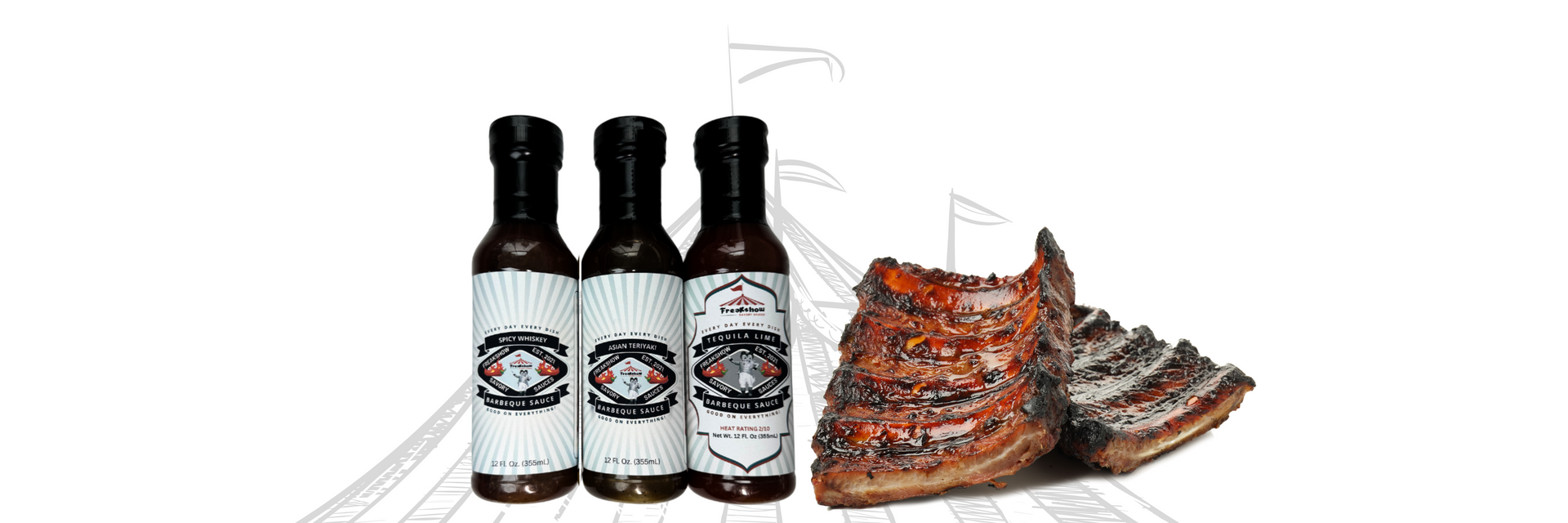
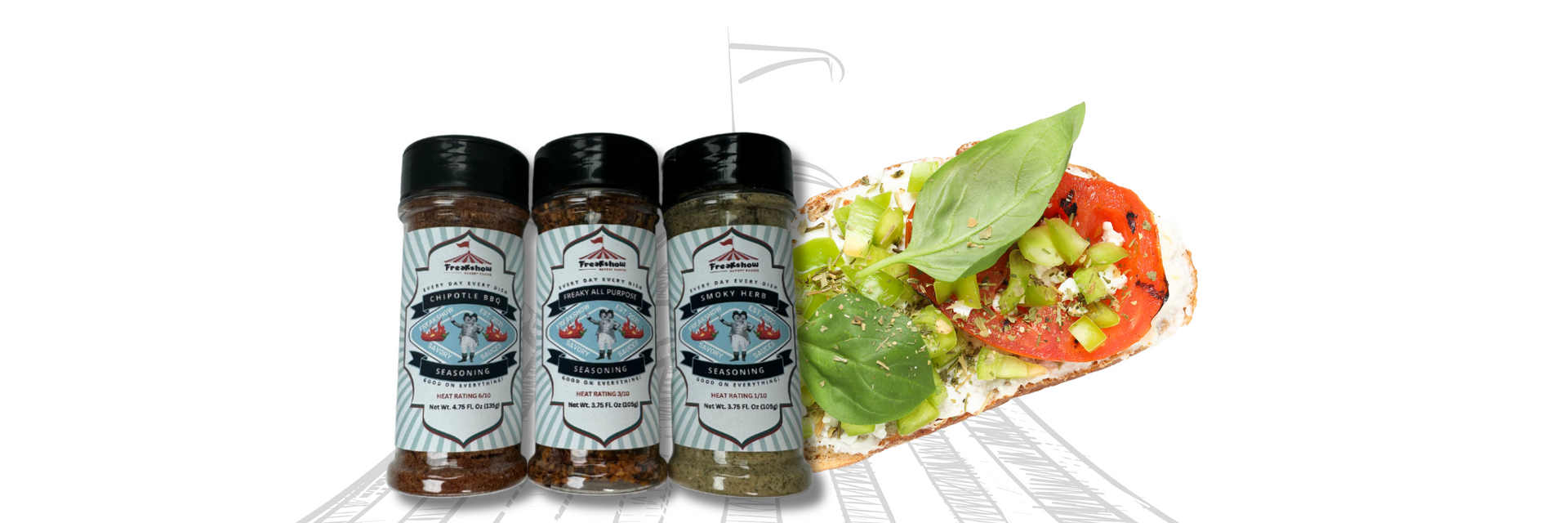
You do not need to jump off big cliffs to feel the rush. If you want an easy and tasty way to feel excited, try Freakshow Savory Sauces. These sauces are made to wake up your tongue, just like the buzz that wingsuit flyers and extreme sports people look for. You can feel this kick any day.
Every sauce is made with bold flavor. It's good for those who want to feel alive. If you fly in a wingsuit, fly planes, or do big jobs on the weekend, our Hot Sauce or BBQ Sauce will change the way your food and your day taste. We think life is better with bold flavors, and these condiments always give you that.
Freakshow Savory Sauces are made for athletes who expect great things:
- Spice Blends: Give your food a spicy boost before your flight or jump.
- Marinades: Let your food soak in strong flavors every time.
- Kansas City Quality: Enjoy the best taste for your next adventure.
History and Evolution of Wingsuit Flying
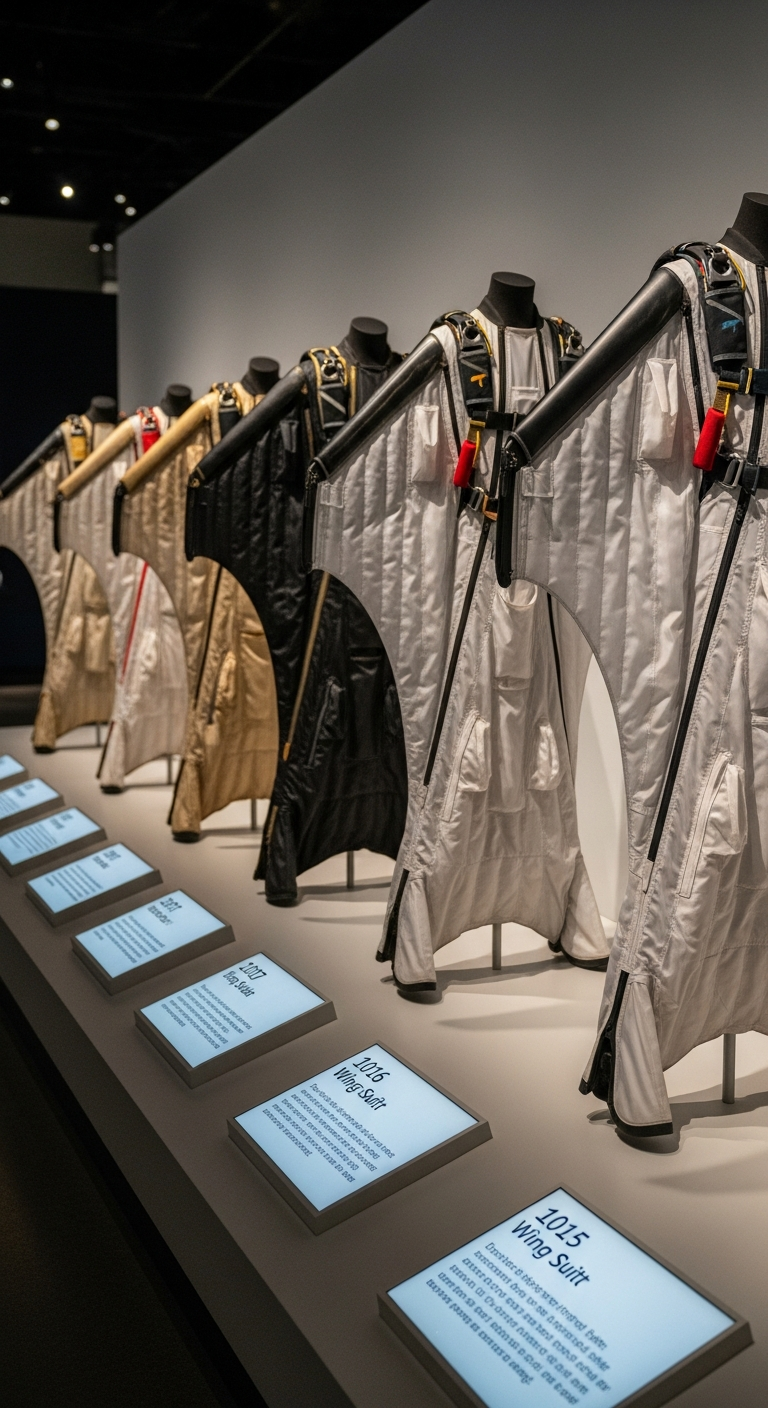
Wingsuit flying did not start all at once. It happened after many years of brave people trying new things, making mistakes, and not always dressing the best. People have always wanted to fly, but the wingsuit used today is pretty new. It was made because early wingsuit pioneers would not give up. They did not want birds to have all the fun. The wingsuit story starts with a simple "birdman" suit and has grown into the high-tech wingsuit we see now. This change is all about new ideas and the will to keep going.
In the beginning, there were many wingsuit experiments, and lots did not go well. But soon, there were wingsuits you could buy, and the sport started to grow. Over time, wingsuit flying moved into new areas like wingsuit base jumping. Pilots taking these new wingsuits could now fly faster and closer to the ground. The way the sport has changed made proximity flying possible, with athletes seeing how close to things they can fly. We can look at early wingsuit pioneers, how proximity flying started, and the great flights that made wingsuit flying known around the world.
Early Days and Pioneers
The story of the wingsuit is full of people who were both brave and a bit wild. One of the first tries was by Franz Reichelt in 1912. He was a tailor who jumped from the Eiffel Tower with a parachute you could wear. It did not end well for him. Still, his big dream made it possible for others to try new things with wingsuits later.
In the 1930s, Rex Finney, who was just 19 years old and from America, put together a suit made from canvas and whalebone. Back then, these "birdman" suits were not very safe or easy to control. Still, they helped people get closer to wingsuit skydiving and what it is today. At that time, wingsuit skydiving was more like falling in a fun way than really flying, but these tests gave us important lessons.
Wingsuits took a big step in the mid-1990s. Patrick de Gayardon created a new and improved wingsuit. His work is why we have the wingsuits used by skydiving fans today. Thanks to these early birdman and parachute designs, people can now really fly like they always wanted.
Progression to Proximity Flying
The first commercially successful wingsuit came out in 1999. It was made by Jari Kuosma and Robert Pečnik. Their company, BirdMan, helped bring wingsuit flying into the skydiving world. This was the first wingsuit built with safety and ease of use in mind. Because of this, it made the sport open to many new flyers.
This growth led to something called the sport of BASE. Now, people could jump off cliffs and mountains. As the suits got better, pilots saw that they could do more than go away from where they started. They could fly right along the rock or mountain. That led to proximity flying. This is a type of flying that takes great skill and the best wingsuits.
The change from just gliding to flying very close to the ground shows how far the sport has come. What began as the dream to make freefall last longer is now something more. It is now an advanced art, built on constant new ideas in wingsuit design and the way pilots do things.
Iconic Flights That Changed the Game
Some flights in wingsuit flying are so well-known that they change what people think is possible. These flights, often seen in exciting footage, make many people want to try wingsuit flying for themselves. Loic Jean-Albert was one of the first proximity flyers. He showed the world how someone can fly very close to a mountain, and this changed the dreams of many wingsuit base jumpers.
Jeb Corliss is a big name in wingsuit base jumps. He is known for doing jumps with high skill and risk. One of his best-known flights was passing through a hole in Tianmen Mountain in China. That flight and others by him have gone viral. These are not just stunts, but real milestones in wingsuit, showing how much skill and courage people can have. Because of these moments, the sport has grown and become well-known.
You do not need to look hard to find good things about last summer. You can find lots of new wingsuit flights just by doing a fast search online.
- Jeb Corliss's "Grinding the Crack": This is a wingsuit flight through a very tight crack in the Swiss Alps.
- Alexander Polli's Target Strike: He was the first person to touch a foam target in the air while in wingsuit flying.
- Dean Potter's Eiger Jump: At first, this was a record wingsuit jump, going 7.5 kilometers.
Understanding Wingsuit Proximity Flying
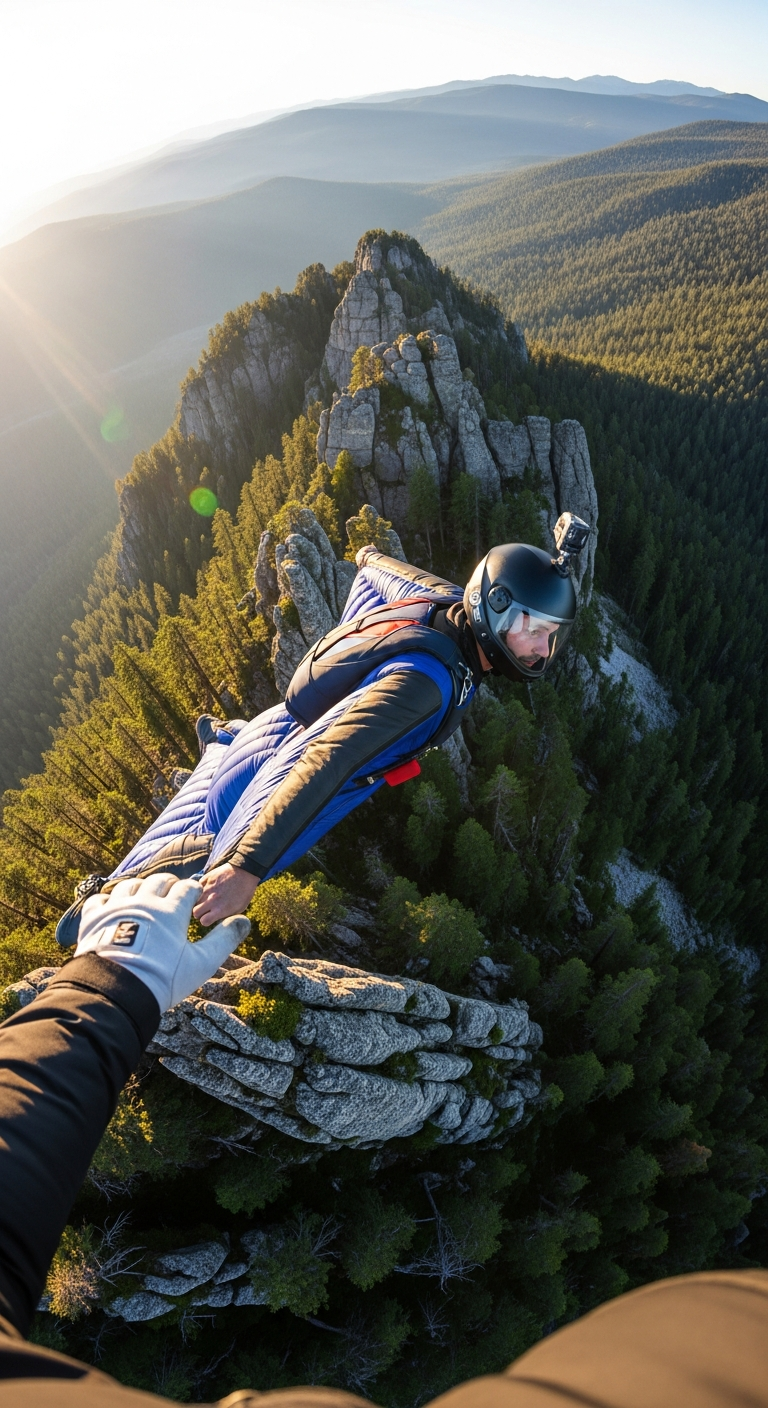
So, you want to know more about wingsuit proximity flying? There is much more to it than just aiming at a mountain and hoping things will go well. This type of flying is all about balancing the way air moves, keeping your body in the right spot, and having a lot of courage. It is not like a normal wingsuit base jump. The goal in proximity flying is to move with great care in a place where mistakes matter a lot.
Wingsuit proximity flying takes skill. You need to learn moves like angle flying. This is when wingsuit pilots use their own bodies to find a good mix of dropped height and forward speed. As they fly, wingsuit pilots have to keep checking what they are doing and make changes all the time. Now, let’s see what makes wingsuit proximity flying special. We will also talk about the ways people keep close to the ground, and how they control their speed and where they go.
What Sets Proximity Wingsuit Flying Apart
Proximity flying is often called the Formula 1 of the wingsuit world. In base jumps, a person usually wants to clear an object and enjoy the flight. But, in proximity flying, a flyer gets close to the landscape. The aim is not just to make it down safe. The goal is to follow a line along a cliff or go through a canyon.
This takes a whole new way of thinking. People in the sport of base who are good at proximity flying must know their gear well. They have to understand how their wingsuit works, especially the glide ratio. A good glide ratio lets them move far across the land for every meter they go down. This helps them keep close to the land and follow long and tricky paths.
The need for speed and big focus makes proximity flying different from other wingsuit flights. It is an active way to fly. It pushes what people and wingsuits can do.
Proximity flying takes base jumps to a new level and shows how close flyers can get to their best.
Key Techniques for Close-Terrain Flight
Flying close to the ground, right next to hard objects, is not easy. The best way to handle this is with good body control. In this sport, the pilot’s body is what they use to steer. Keeping the proper body position means everything here. If you dip a shoulder or change your arch, it can change the path you fly by a lot.
Pilots learn to make small moves all the time to stay where they want to be. They will pull in their arch to go faster and flatten out to glide farther. This kind of flying is hard on both the body and the mind. It feels like a full-body workout while going 100 miles per hour.
Some key things to remember include:
- Line Choice: Pick your flight path before you jump.
- Body Position: Steer by making small moves with your torso, arms, and legs.
- Energy Management: Know when to dive to go fast and when to flare to get more lift.
How Pilots Control Speed and Trajectory
Controlling how fast you go and the path you take in a wingsuit is not easy. Wingsuit pilots learn to change their angle of attack. This is how their body meets the air as they fly. If the angle is steeper, you will go faster. A flatter angle gives you a better glide ratio, which means you travel more distance sideways across the sky.
This idea is a lot like tracking in skydiving. But with wingsuit flight, it is harder and you need more skill. Wingsuit pilots change the shape of their body to manage how fast they go down and how quickly they move forward. For example, if you pull your arms back and arch your body more, you will slow down. If you stretch out and stop arching, you will go faster.
A key move in wingsuit flying is called the flare. In a flare, the pilot pulls up for a moment. They give up some speed to get more lift. This lets them go up a little bit more in altitude. Wingsuit pilots use this to clear something in their way or when they want to slow down before deployment. Getting good at these moves helps wingsuit pilots fly with more control and hit their lines just right.
Essential Gear and Equipment for Proximity Wingsuit Flying
Thinking about giving this a try? You can't just pick up any wingsuit and start right away. The right gear is very important for this sport. When it comes to wingsuit flying, you have no room for mistakes. The wingsuit, the parachute, and the things you carry help keep you safe and ready for your dive.
Having the best setup may be what stands between a great flight and a bad one. You need a good helmet, a trusted altimeter, and a camera to show people your wild dive. Now get ready as we look into how to choose a wingsuit, what protective gear you need, and what tools are a must for every pilot.
Choosing the Right Wingsuit
Not every wingsuit is the same. Beginner suits have less fabric, so they are more steady and simple to guide. As pilots learn more, they can start using bigger, high-performance wingsuits. These provide a better glide ratio and let you go faster. It’s kind of like learning to drive in a regular car before you try a race car.
The wingsuit's airfoil design is very important. Today’s wingsuits use things like ribs on the inside and pressurized spots to make a strong wing shape. This helps make more lift and less drag. The goal is to have the most useful surface to fly on. This makes it so wingsuit base jumpers can stay in the air longer and do fun maneuvers like angle flying.
Picking the right wingsuit is about your skill and how you like to fly. Flyers with lots of proximity experience often pick suits meant for top-notch performance. If you are new, you need something that is easier to fly. The biggest thing is to learn one step at a time, and never try to use a suit that is too hard for you.
Protective Safety Equipment
In wingsuit flying, you must use the right safety gear every time. The wingsuit gets a lot of attention, but your parachute is what brings you back safely. Wingsuit BASE jumpers often use a one-parachute setup. This type is made for fast use at low altitudes, not like what skydivers use. Skydivers usually jump with a main and a spare.
Other than the parachute, you need a strong helmet to guard your head from any hits or cuts. You also need an altimeter, which can be one you hear or see. This tool shows your altitude and helps you pull the parachute at the right time. You don't want to guess when to open it.
Here’s a list of what you must have for safety:
- A BASE-specific parachute: This is built for quick and sure use at low altitude.
- A certified helmet: This protects your head.
- An altimeter: This tool lets you watch your altitude, so you open your parachute at the right time.
Helmets, Cameras, and Altimeters
A helmet does more than just protect your head. It is where many wingsuit flyers put some of their most useful tools. A lot of them put a camera on their helmet. It helps get those amazing videos that make wingsuit flying so popular. And let’s be honest, if you didn’t get it on video, did it really happen?
There is also the altimeter. This tool is important for every wingsuit flyer. Some people wear it on the wrist, but a lot like to have an audible altimeter inside the helmet. It will beep at certain heights. With this, flyers do not need to look down at their wrist. They can keep their eyes on the land ahead at all times, especially when moments become so important in flight.
In the end, you need a strong helmet, a high-quality camera, and a good altimeter for a great wingsuit flyer setup. This gear not only keeps people safe, but also helps them keep track of how they fly. With these tools, wingsuit flyers can get better at what they do and show the world just how amazing their sport can be.
Skills, Training, and Experience You Must Have
Before you start to think about buying a wingsuit, you must have enough experience in skydiving. This is not something you can get into after just one weekend. To be a wingsuit pilot, you need to really spend time on training and learning. Jumpers should first get very good at skydiving.
The way most people start is by doing hundreds of normal skydives. After that, they sign up for a wingsuit first jump course. When you finish that, the progression goes slow and steady with more practice to get better and more confident. In this guide, we talk about what parachuting skills you need before wingsuit training, how the wingsuit training progression works, and the most important safety steps every new flyer should know.
Basic Parachuting Requirements
The road to wingsuiting begins with learning the basics of parachuting. The United States Parachute Association (USPA) says you need at least 200 freefall skydives before you can join your first jump course for wingsuiting. This number did not come out of nowhere. It makes sure you have enough experience with freefall and know what to do in the air before adding the wingsuit.
In these 200 jumps, work hard to get good at flying your body in the air. Focus on stable flight and having good control over how you move. You also need great canopy skills. You should know how to fly and land your parachute the right way, even when the weather or wind keeps changing. The canopy part is just as important as the freefall and should not be ignored in your skydiving steps.
It is important to meet the basic rules. They are there to keep you safe.
- Minimum 200 skydives: USPA wants you to have enough experience before you try a wingsuit.
- A-License (or higher): Shows you know the basics of skydiving safety.
- Canopy Piloting Skills: You need to land your parachute in a safe and correct way.
Wingsuit Training Progression
After you meet the basic rules, you can start wingsuit training. Your journey begins with your first jump course. In this course, there will be someone with a lot of wingsuit experience to guide you. They will show you how to fly a wingsuit. You will learn how to leave the airplane, control the wingsuit, and how to open your parachute the safe way.
This training will come slowly. You will start off in a small suit made for people new to wingsuits. Here, you will practice simple things like flying in a straight line and making slow, easy turns. Tracking is something every skydiver should have learned before wingsuit training. This skill is very important for your flight. Some people also practice inside a wind tunnel. This helps you work on your body position in a calm place.
As you grow your skills and the instructor sees you understand what to do, you can try bigger and more advanced suits. This slow, step-by-step progression helps you get the muscle memory and confidence you need for harder flights. There is no need to rush because jumping ahead can lead to big problems.
Safety Practices for First-Time Flyers
When you try flying a wingsuit for the first time, make safety your only focus. The excitement can take over, but it is good to use common sense. Always jump when the weather is clear and good, and make sure your mind is sharp. To fly a wingsuit, you have to give it all your attention.
The deployment is one of the most important times. You need to pull your parachute at a much higher altitude than during a normal skydive. This extra space lets you open the parachute safely. You should also be very aware of your landing area and any things that might get in the way. A safe flight always means a safe landing.
First-time flyer tips you should follow:
- Altitude is your friend: Open your parachute high to stay safe from problems.
- Fly a predictable pattern: Do not try quick turns or dives until you get more experience.
- Jump with a coach: Get help and feedback from someone who has done this before.
Safety and Risk Management in Proximity Wingsuit Flying
Let’s be real: wingsuit proximity flying is risky. There is a real chance for fatalities. The most important skill a wingsuit flyer can have is to know how to manage risk. Every wingsuit jump is planned with care, and the best jumpers are always focused on safety and getting ready the right way.
But, wingsuit proximity flying is not just about searching for danger. If you know the risks, look at how they stack up to other things, and always stick to strong safety rules, you can lower the chance of something going wrong. We will look at the risks, talk about the main hazards, and go over the emergency steps every wingsuit pilot should know well.
Comparing Risks with Other Extreme Sports
How does wingsuit BASE jumping stack up against other extreme sports? It's definitely on the higher end of the risk spectrum. While skydiving from a plane has become relatively safe thanks to strict regulations and backup equipment, wingsuit BASE jumping is a different animal. The low altitude, proximity to objects, and single-parachute system all increase the inherent risk.
Studies have shown that wingsuit BASE jumping has a significantly higher rate of fatalities and injuries compared to regular skydiving. However, when compared to other high-risk activities like expedition mountaineering or free solo climbing, the statistics become part of a broader conversation about acceptable risk among elite athletes.
It’s crucial for jumpers to be aware of these facts. Below is a simplified look at the relative risk levels, though hard data can be difficult to solidify in these sports.
| Sport | Relative Risk Level | Key Factors |
|---|---|---|
| Regular Skydiving | Low | Dual parachutes, high altitude, regulated |
| Hang Gliding | Moderate | Weather dependence, equipment failure |
| Winsuit BASE Jumping | Very High | Low altitude, single parachute, terrain hazards |
| Free Solo Climbing | Extremely High | No ropes, falls can be fatal |
Common Hazards and How to Manage Them
The hazards you face in proximity flying are many and tough to deal with. The most clear danger is hitting the ground or a cliff. So, you must always keep a safe vertical distance from the ground or the rocks near you. There is also risk from weather, like fast or sudden wind gusts. These can push you off your path and right into the ground or an object.
To manage these hazards in proximity flying, you need to plan your flight well. Look at the terrain before you go. Check what the weather will be like that day. Always make a flight plan and pick more than one emergency exit point.
Make sure you select a good landing area and be clear on how you will get there. This landing area is important as the flight itself. To get better control of your body position, you can use a wind tunnel for practice. That can help you get the muscle memory to do well in an emergency.
Here are some common hazards and what you can do:
- Object Fixation: If you stare at the ground or things close by, you may crash into them. Keep looking ahead on the path you plan to fly.
- Instability: If your body position is off, you might spin. You have to practice and stay active when you fly to fix this problem.
- Equipment Malfunction: Always know your steps for an emergency, and know them well.
Emergency Procedures Every Flyer Should Know
When there is an emergency, you don't have time to stop and think. Your reactions need to be quick and right. The most important thing you can do is open your parachute on time, and make sure it's steady. If you are off-course, not steady, or unsure about anything, you should always move away from the ground and open your parachute.
Flyers need to know how to deal with parachute problems, even if you only have one canopy. The best way to get this knowledge is through a lot of training and practice while skydiving. It helps to use an altimeter, because it tells you when you are near your decision altitude. This is the point where you have to open your parachute no matter what.
The best thing you can do in an emergency is to avoid it. Good planning, safe choices, and jumping only when the weather is perfect will help keep you under blue skies. Don’t let what other people say push you to skydive if you do not feel sure about it.
Top Global Destinations for Proximity Wingsuit Flying
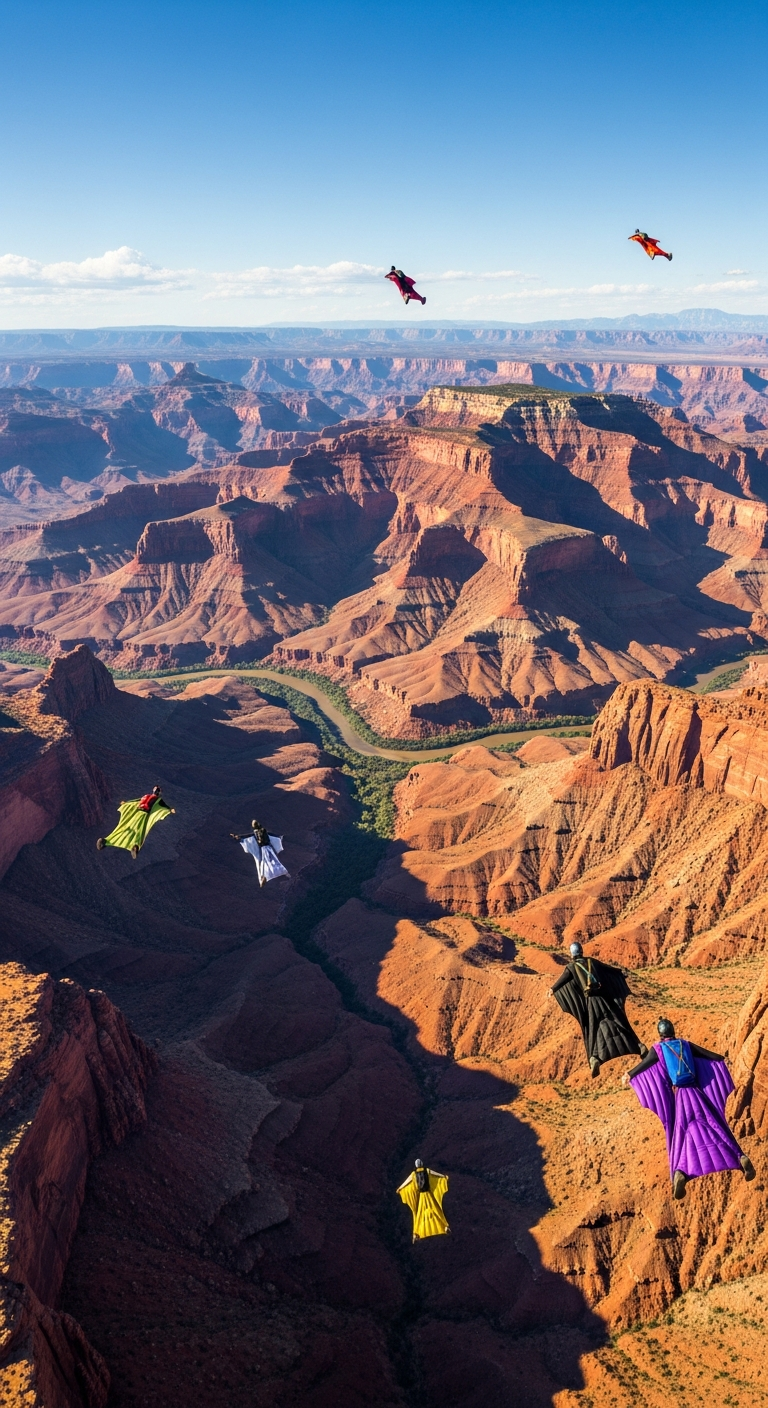
Are you ready to bring your frequent flyer miles up a notch? The world is full of amazing places that look like they are made for proximity flying. You can find these spots anywhere. Some are on the steep cliffs in Europe, while others are on the big rock walls of the United States. Many of these places are well-known to wingsuit pilots.
A lot of pilots use Google Earth when they want to find new routes or look for more places to jump. They can do this while still at home on the couch. The best places have great views, easy ways to get in and out, and some rough ground to make things exciting for everyone. Here, we’ll look at some top sites for proximity flying in the United States and a few other famous wingsuit places across the world that you need to see.
Famous Locations in the United States
The United States is full of great places for wingsuit BASE jumpers. Yosemite National Park in California has big granite cliffs. These have been a spot for both climbers and jumpers for many years. The walls are high, and you get some of the best lines for wingsuit jumps. It's not easy to manage the rules about jumping in national parks, but many people still want to do it.
Other parts of the United States give you a whole different wingsuit BASE experience. In Utah and Arizona, the canyons give tough challenges. The rocks twist and turn, and the deserts are wide and open. When you go for a jump here, just finding a good and clear landing area is tough. But if you do, you get to see some of the most beautiful places from above.
Some main spots for wingsuit BASE jumpers in the United States are:
- Yosemite Valley, California: Has huge walls like El Capitan.
- Moab, Utah: Has many cliffs and canyons with open landing areas.
- Twin Falls, Idaho: The Perrine Bridge is one of the few places where you can BASE jump all year.
International Sites You Can't Miss
When you talk about wingsuit places around the world, Europe has some of the best spots. The Swiss and French Alps stand out. They are known in the wingsuit flyer world for their high altitude cliffs, wild valleys, and for having lots of pros who jump there often. Places like Lauterbrunnen in Switzerland are famous. This town is easy to get to and has many things people can jump off.
Italy is also great for wingsuit fun. The Dolomites have jagged peaks and steep walls that are good for people who love crazy proximity lines. In Norway, there are deep fjords with big drops, letting wingsuit fans jump straight down near the water.
All these places bring in top flyers from different places in the world. The reasons are clear. You get mountain lifts that take you up fast. The scenery looks amazing. Plus, the people in these places are used to the sport, so it is not a problem flying in a wingsuit there. For those who do wingsuit jumps, Europe is the dream spot for adventure.
Notable Proximity Wingsuit Flying Records
In wingsuit flying, people are always trying to do more and go further. Records don't last long. Great jumps and the pilots who make them inspire others and set new goals for everyone who loves wingsuit skydiving. You can see how high people can fly or how far they can go. These big wins show all of us what you can do in wingsuit flying.
Wingsuit skydiving has its own records for things like biggest group and fastest speed. But it's BASE jumping where things really get wild. Here you see some jumps and pilots who made history and will not be forgotten.
Record-Breaking Jumps
Record jumps in wingsuit base jump take years to plan and need a lot of skill and good weather. The highest altitude wingsuit base jump is one of the most famous records. Valery Rozov set this record with a jump from over 7,700 meters on Cho Oyu in the Himalayas.
Some records in wingsuit are about distance and time. Back in 2011, Dean Potter made a 7.5-kilometer flight from the Eiger. This wingsuit flight was a big deal and broke new ground. These record jumps are not just for showing off. They help make wingsuit base and gear better and give the sport a way forward. Each big jump shows what people and new wingsuit base methods can do.
Each year, we see new wingsuit base jump marks. Pilots keep going faster, higher, and for more time in the air. Last summer, there were likely new records made under blue skies in different parts of the world. The sport keeps getting better and more thrilling every year.
Legendary Pilots and Their Achievements
The sport of wingsuit flying has some people who stand out from the rest. These wingsuit pilots have worked hard to go further than others in human flight. Their amazing footage has brought this sport to millions of people.
Jeb Corliss is the wingsuit pilot who many know best. He is famous for his bold flights and his big personality. His wingsuit jumps have been shown all around the world. This has helped make him well known in extreme sports.
There are other wingsuit pilots, like Alexander Polli, who are also remembered for what they did and how they helped with the sport’s progression.
These wingsuit pilots are not just known as people who like to take big risks. They are seen as leaders in the sport.
- Jeb Corliss: He is known for flying his wingsuit through caves and between buildings.
- Valery Rozov: He was well known for BASE jumps from places with a lot of altitude, setting new records with his wingsuit.
- Dean Potter: Dean Potter was both a climber and a wingsuit pilot. He set records for distance.
Their actions make people want to know more about wingsuit flying. The footage they make from these flights keeps bringing new fans to the sport.
Proximity Flying Techniques & Tips for Beginners
Let’s bring things back down to earth for a bit. If you are a beginner who wants to fly close to mountains, you need a good plan. Proximity flying is not something you do on your first day. You need to be strong with the basics of wingsuit flying first.
If you want to be a wingsuit flyer, you have to start by learning how to see and read the land. You need to know how to move safely. You will get more confident with practice and time. Here are some key tips for beginners who want to try wingsuit flying and join people who do proximity flying.
Learning to Read Terrain
Before you plan to jump at a new site, you should first know the land well. It is a good idea for beginners to use tools like Google Earth for this. With Google Earth, you can fly over the area in your mind, see possible threats, and check the vertical distance you will deal with. Reading the land means you do not just see a mountain as nice to look at, but you try to break down how you will fly there.
Pay attention to things like ridges, deep gullies, and rocky parts. A cliff that looks smooth and goes straight down is not the same as one that is full of sharp points or cracks. You need to think about how this land will change your flight and be sure you will have back-up zones—places you can fly toward if the first plan does not work out.
Key things you want to see when you check out the land:
- Potential Hazards: Watch for trees, lines that carry electric power, or rocks that seem odd.
- Escape Routes: You should make a Plan B and even a Plan C.
- Landing Areas: Look for big spots that are flat and do not have stuff that can block your way.
Navigating Safely During Your Flight
Once you are up in the air, navigation is key. Your pre-flight plan helps you, but you need to be ready to change things as you fly. You always need to know where you are compared to the ground, what your altitude is, and where your landing area will be. Safe navigation means you watch what's going on up there and make changes when you need to.
Tracking is important. You should fly in a steady line, using gentle, easy moves to stay on track. Do not try to get close to the ground or things around you before you are ready. Begin with higher passes that are far out. When you feel more sure of yourself, you can get closer little by little.
Putting safety first is a must when it comes to deployment. A flight is not done until your canopy is open and you are on your way toward the landing area. Do not risk a safe altitude just to get a few more seconds in the air.
Building Confidence and Skill
Building both confidence and skill with a wingsuit takes time and practice. You should not think you will be great on your first day. At first, focus on getting good at basic flight control and stay far from anything you could hit. The main thing for now is to get so used to the suit that flying with it feels like something you just do without having to think about it.
One tool that can help you get better, faster, is the wind tunnel. The wind tunnel will not feel the same as flying over land. Still, you can use it to work on your body position and flight control in a safe place. You will get muscle memory here that helps a lot when you go up in the air later on.
Remember that every good pilot started out as a beginner. Be patient with your own progression and try to find pilots who will coach you. Keep learning and never stop. The skills you build now will help make your flights great in the future.
The Role of Freakshow Savory Sauces in Natural Adrenaline
What gives the world’s best flyers and extreme athletes energy? The answer is simple. They need skill, heart, and a burst of energy. That last part is where we step in. Here at Freakshow Savory Sauces, the thrill comes with every bottle. We make hot sauce, BBQ sauce, and other tasty condiments for anyone who wants adventure, even if you are just cooking at home. Our sauces will give you that rush, just like stepping up to do something big.
The line of sauces we have works well for people who enjoy bold tastes and are ready for some heat. If you want a little more excitement in your food, we have it covered. Now, we’ll talk about how our sauces fire up athletes. We’ll even share stories from flyers who love what we do.
How These Sauces Fuel Extreme Athletes
Extreme athletes need the best from their bodies, and it starts with food. Our sauces might not improve your glide ratio, but they will make your after-jump meal much better. Freakshow Savory Sauces give you a rush of flavor, just like the burst you feel after a great flight.
For flyers and other athletes, plain meals are a lost chance. Our sauces turn simple food into something special. These bold flavors wake up your mouth and give you a kick that matches your wild spirit. This is a great way to end a big day where you go after your goals.
Give your inner daredevil some power with Freakshow Savory Sauces:
- Intense Flavor: Our products bring a strong taste that stands out.
- Natural Ingredients: We use quality ingredients to make our bold sauces.
- Made for Athletes: Great for people who are active and love adventure.
Stories from Proximity Flyers Using Freakshow Sauces
We have heard many stories from wingsuit flyers who love our brand. One pilot shared that after a long day flying in the Alps, there is nothing like a grilled steak with our Kansas City BBQ Sauce. For him, it is the perfect way to end a hard day mixed with the thrill of mountains.
There is also a group of flyers who went to Norway last summer to try new routes. They took our Hot Sauce with them. They told us that it was the one thing that could warm them up after jumping into the cold fjord. These stories show how the excitement of flying lines up with the excitement of bold flavor.
So, hearing from the wingsuit flyers shows that people who love a good rush in the sky, also want a kick at the table. Our sauces help bring that punch to every meal and turn eating into an adventure just like wingsuit flying.
Wingsuit Proximity Flying in Pop Culture
Wingsuit proximity flying has become very popular in pop culture. This is because of the amazing video footage and how often you see it in movies or on social media. The sight of someone flying like a superhero is hard not to watch. It has helped to take wingsuit skydiving from something only a few people did to something people all over the world want to try.
This big exposure has made a lot of people interested, from those who love thrills to people who just enjoy watching from their couch. You can find wingsuit flying everywhere, from must-see documentaries to viral social media footage. We will look at some key videos and see how extreme sports like proximity flying are trending online.
Must-Watch Videos and Documentaries
If you want to know why so many people enjoy wingsuit flying, you should watch it happen. There are a lot of videos out there that show amazing wingsuit skydiving and wingsuit action, and some will really surprise you. The film "Birdmen: The Original Dream of Flight" goes deep into the history of wingsuit flying and shares the stories of early leaders of the sport.
Videos filmed by the pilots give you the best view. These first-person videos make it feel like you are actually in the suit as they jump. You can see the speed, the skills, and what is needed to control every move. The pure and real look at wingsuit flying in these videos is what makes the footage exciting for people.
Here are some key videos on wingsuit flying and wingsuit skydiving that you may want to check out:
- "Grinding the Crack": A famous wingsuit flight by Jeb Corliss that got very popular online.
- "Human Flight 3D": A film that has some really great wingsuit footage. It shows wingsuit skydiving in a new and amazing way.
- Any video from the World Wingsuit League: Watch some of the best pilots race each other on tough mountain paths.
Social Media Trends in Extreme Sports
Social media has changed the way we see extreme sports. Places like Instagram and YouTube are full of short videos of amazing things people do. If you are a wingsuit flyer, having a good camera can be as important as having a good parachute. With both, you can share your love for flying with people all over the world.
Now, we see a new kind of sports star. They are known as athlete-influencers. These wingsuit flyers get many followers by posting videos that show them flying high under blue skies. They film in far-off places and make people want to get out, take a trip, and try something bold, too.
The never-ending need for cool and new videos makes these flyers try new things all the time. They try flights that can be more and more risky. This helps the world of wingsuit flying keep growing. But, it can also make things tough. The best wingsuit flyer knows the way to get great videos and stay safe, too. They make sure they do not take big chances that can hurt them just for a shot.
Wingsuit proximity flying lets you feel a wild rush as you move with the wind and get close to the earth. Each jump fills your whole body with new energy, and you want to do it again and again. This sport is not only about the thrill but also about skill and being safe. You have to pick the best wingsuit gear and learn how to use it the right way. The excitement comes from learning new things and getting better with time. It’s not just flying—you are out there with nature all around you.
Don’t forget about Freakshow Savory Sauces, which add a natural kick and make your wingsuit proximity run even more fun if you want that little push of adrenaline. Put on your helmet, grab your wingsuit, and go for that next big jump. Be sure to share your story with friends on social media—people want to see how close you get to the edge in this awesome sport.
Frequently Asked Questions
Is tandem proximity wingsuit flying possible?
No, people do not do tandem wingsuit proximity flying. Wingsuit BASE jumping is very hard and brings many risks, so it is something only the best solo pilots should try. This is not like skydiving. There is no first jump course for tandem wingsuiting because it is just too risky and can not be done with two people together.
What are the best tips for beginners in proximity wingsuit flying?
For people new to wingsuit flying, it is good to start with the basics. Work on your wingsuit training first. Make sure you know how to control your body position in the air. You also want to understand how your suit’s glide ratio works. Safety should always come first for beginners. Make high passes and stay away from things on the ground at the start. Always take time to plan your flight path and check your landing area before you go up.
How has proximity wingsuit flying changed over the years?
Wingsuit flying has changed a lot over time. At first, it started with simple wingsuit skydiving. Now, it has grown fast because the wingsuit got better, and people use the wind tunnel to train. There has also been a lot of drive from big, inspiring flights. This is why pilots today can fly harder and more far-out lines under blue skies. No one thought this would be possible before. The whole progression in wingsuit skydiving shows how much can change when people put their heart into it.