Hot Sauce: Boosting Athletic Performance Naturally
The Science Behind Hot Sauce and Athletic Performance
Key Highlights
- Athletes often use hot sauce to get a natural adrenaline and endorphin boost, which can enhance energy levels.
- The key ingredient in hot sauce, capsaicin from chili peppers, creates the sensation of heat and triggers these physical responses.
- Hot sauces are not just about heat; they offer health benefits, including vitamins, minerals, and antioxidants that can support the immune system.
- Making hot sauce involves fermenting, blending, and bottling chili peppers with ingredients like vinegar and garlic.
- Choosing the right hot sauce depends on your heat tolerance, from mild and fruity to extremely spicy varieties.
- While beneficial, excessive hot sauce consumption can lead to digestive issues, so moderation is key for athletes.
Ever think about why some athletes like to add hot sauce to their meals before a game? They are not just picking it for how it tastes. There is something more going on in sports with this spicy sauce. Hot sauce, which comes from strong chili peppers, is not there only to make you sweat. The heat level you pick may help you get more energy and keep your mind on target. Let’s see how science explains the link between that hot sauce in your fridge and your work on the field.
Understanding Hot Sauce: A Fiery Introduction
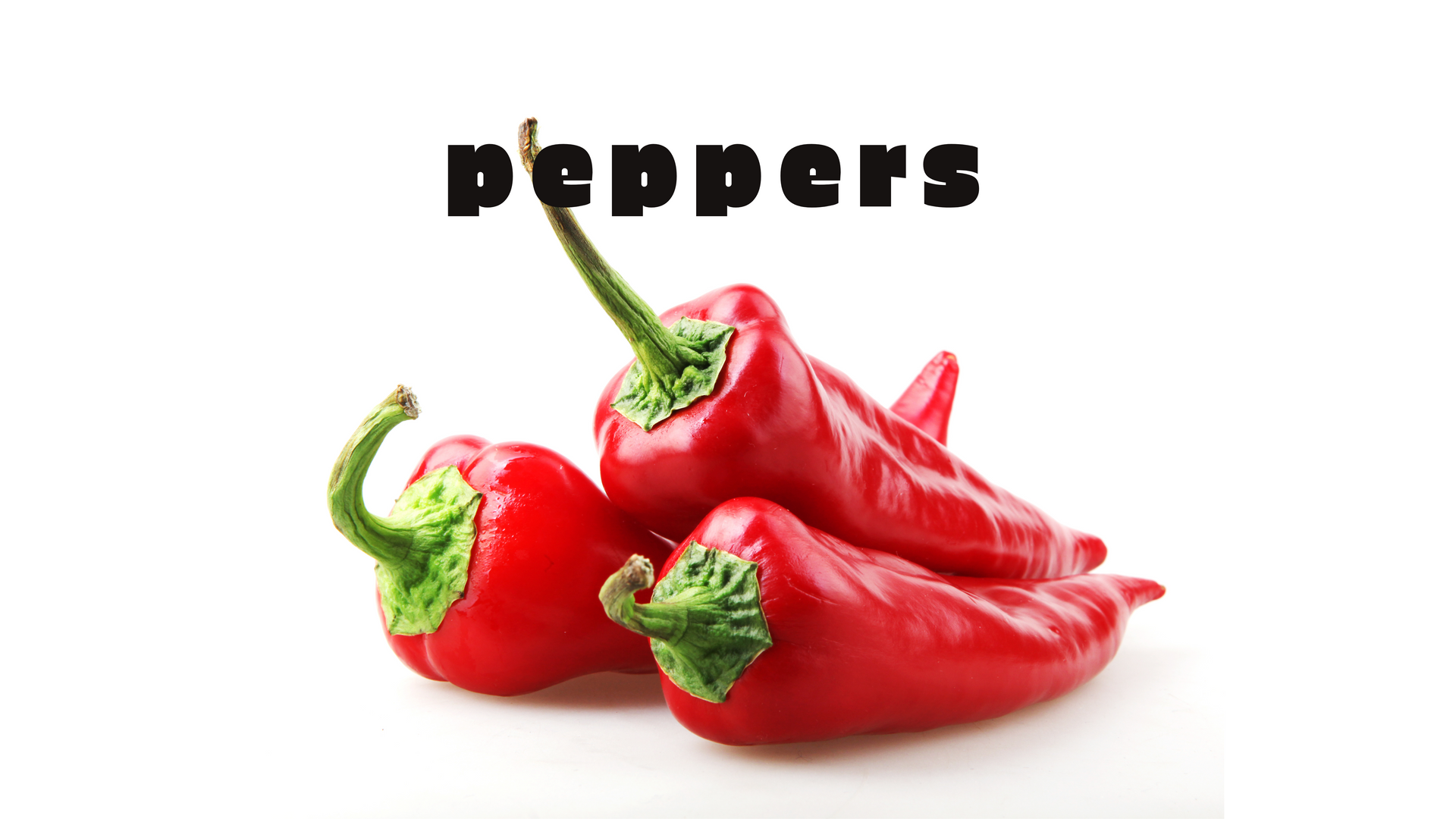
So, what is this special sauce that people talk about? Hot sauce is made from chili peppers, vinegar, and salt. This is the main recipe. But, that is just the start. The kind of chili peppers you put in will change the heat level and taste, giving you so many ways to enjoy it.
After that, you get even more choices. People add fruits, spices, and other things to make new flavors. You can pick a hot sauce that has just a little heat, or one that gives you a strong kick. No matter what you like, there is a hot sauce out there for you.
The History and Popularity of Sauce Hot in the United States
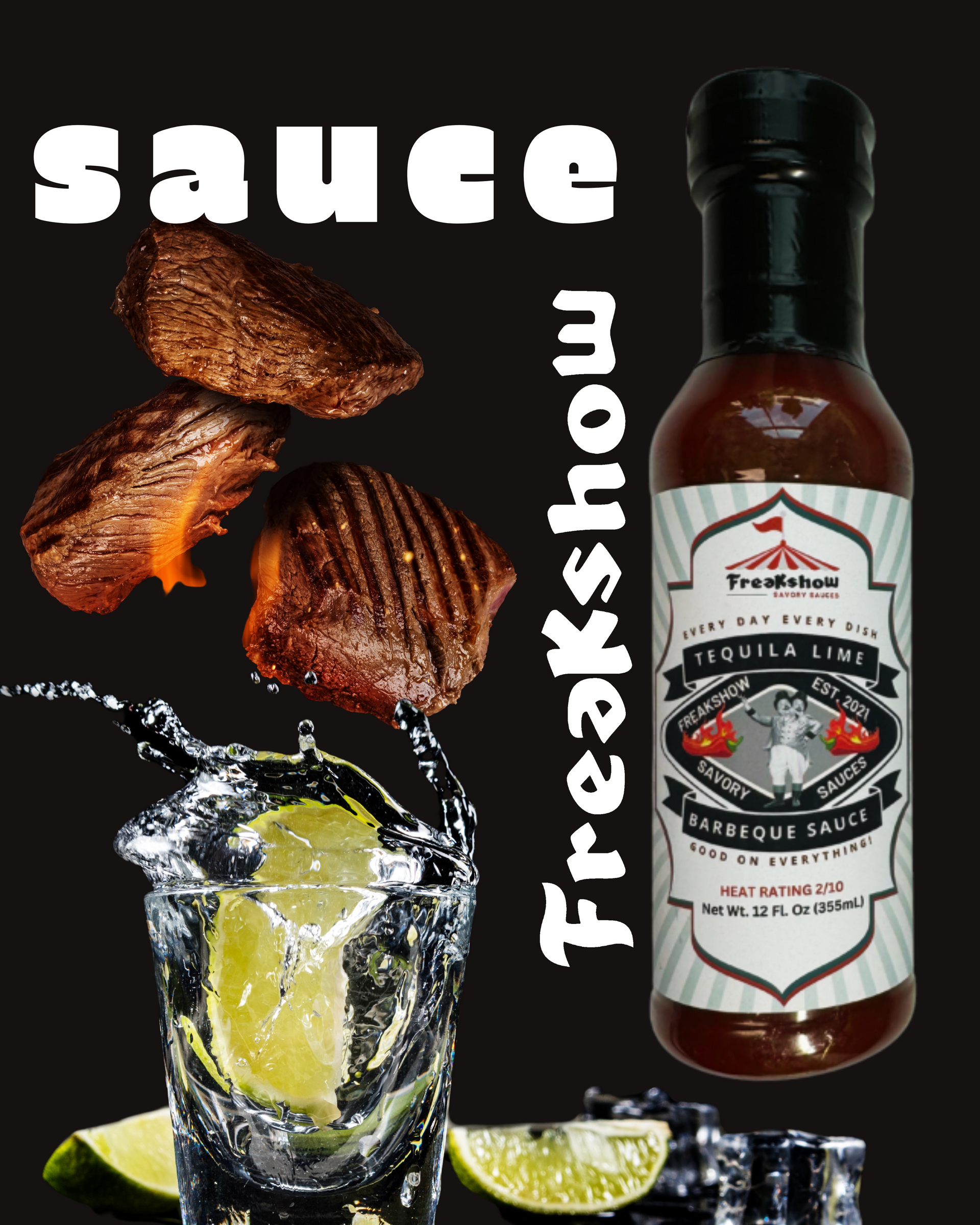
The love for spicy food goes way back in time. The Aztecs were making early hot sauces as far back as 7000 BC. Then, in 1906, Edmund McIlhenny brought the first patented hot sauce to the U.S. This started a big craze for hot sauce that keeps growing. Now, you can find many types of hot sauce to buy online from specialty shops like Freakshow Savory Sauces.
Hot sauce is everywhere these days, from fancy bottles to those old hot sauce packets you have in your takeout drawer. Some people move away from boring fad diets and use bold sauces, with the luscious taste of tomatoes, to make their food taste better. Unique blends, like the famous nasal napalm horseradish, bring something new and spicy to meals.
Those old hot sauce packets you keep at home show just how much people like spicy flavors. Fresh sauces are best, but hang onto the packets if you need a quick way to spice things up in your favorite dish.
What Defines a Hot Sauce? Core Ingredients Explained
A hot sauce is, at its core, very easy to make. The main ingredient that you need for the heat is chili peppers. These are often mixed with a liquid, and one of the most used liquids is vinegar. Vinegar acts as a way to keep the sauce fresh for a long time and makes the sauce taste tangy.
If you want to know the main ingredients to make hot sauce at home, you really do not need much. Aside from chili peppers and vinegar, many people like to use apple cider vinegar because it is not as sharp. You also want to add salt. Salt makes the flavor better and helps keep the sauce good to use over time.
Once you have these basic things, you have many ways to make your sauce. Many hot sauces start with this mix and then add the flavor of traditional sriracha sauce and some other things for a bigger taste. Here are some things people often add:
- Garlic cloves to make it rich and savory
- Onions if you want some sweet flavor
- Lime juice if you want a fresh, bright taste
- Spices to make the sauce your own With just these, you can come up with a lot of new and tasty ideas.
How Hot Sauce is Made: From Peppers to Bottles
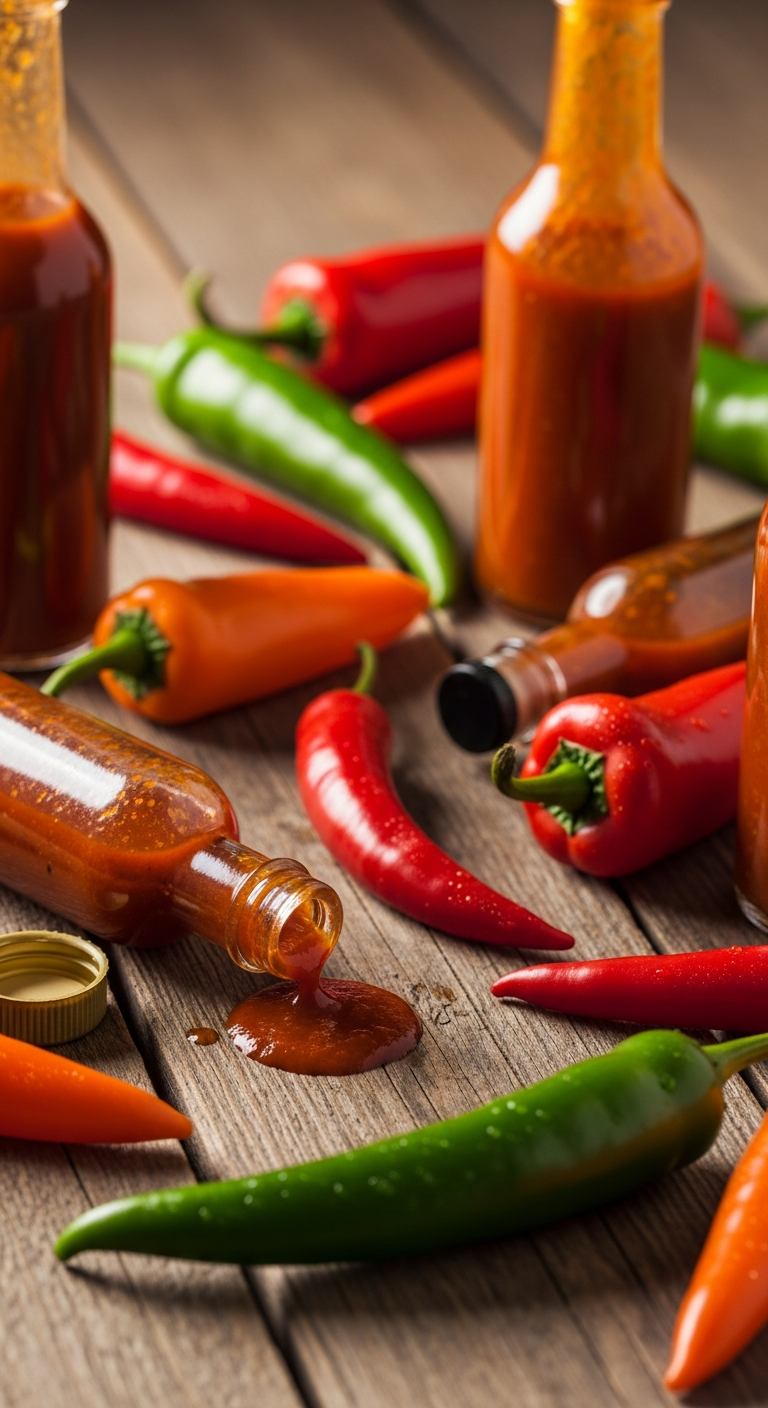
Have you ever wanted to make your own spicy mix? Making homemade hot sauce can be easy. It does not take a lot to start. You just break down some peppers and a few other things, then blend them all into a liquid. For this, the food processor is very helpful. It helps you get all your solid items nice and smooth.
You make your hot sauce by mixing your incredible combination of cayenne peppers with something wet like vinegar or lime juice. You can add any flavors you want. It is fun to try new things and see what you get. Soon, that mix of peppers will be a bottle of hot goodness ready to use in your fridge.
Common Ingredients in a Classic Sauce Hot
When you look at what goes into your favorite hot sauce, you see many things you know well. The type of pepper is the most important part, especially that devilish little minx, the cayenne pepper. A lot of popular sauces use cayenne peppers. They give a steady heat that goes well with a lot of foods.
If you like it to be much hotter, you will see sauces with heinous habanero, Ghost Pepper, or even Reaper peppers. A habanero ghost pepper sauce, for example, gives you some strong fruit notes and a heat that stays with you for a while. There are also other things that help make the taste even better.
Most of the time, you find spices and vegetables with the pepper. This turns a simple basic sauce into something really tasty. These common things are often used:
- Garlic cloves
- Onion
- Mustard seed
- Paprika
The Sauce-Making Process: Fermentation, Blending, and Bottling
How does hot sauce get from the farm to your table? The journey is a fascinating one, often involving different forms of fermentation to develop deep, complex flavors. This step involves letting mashed peppers sit for a period, allowing good bacteria to work their magic. While not all homemade hot sauce recipes require it, fermentation is a key step for many commercial brands.
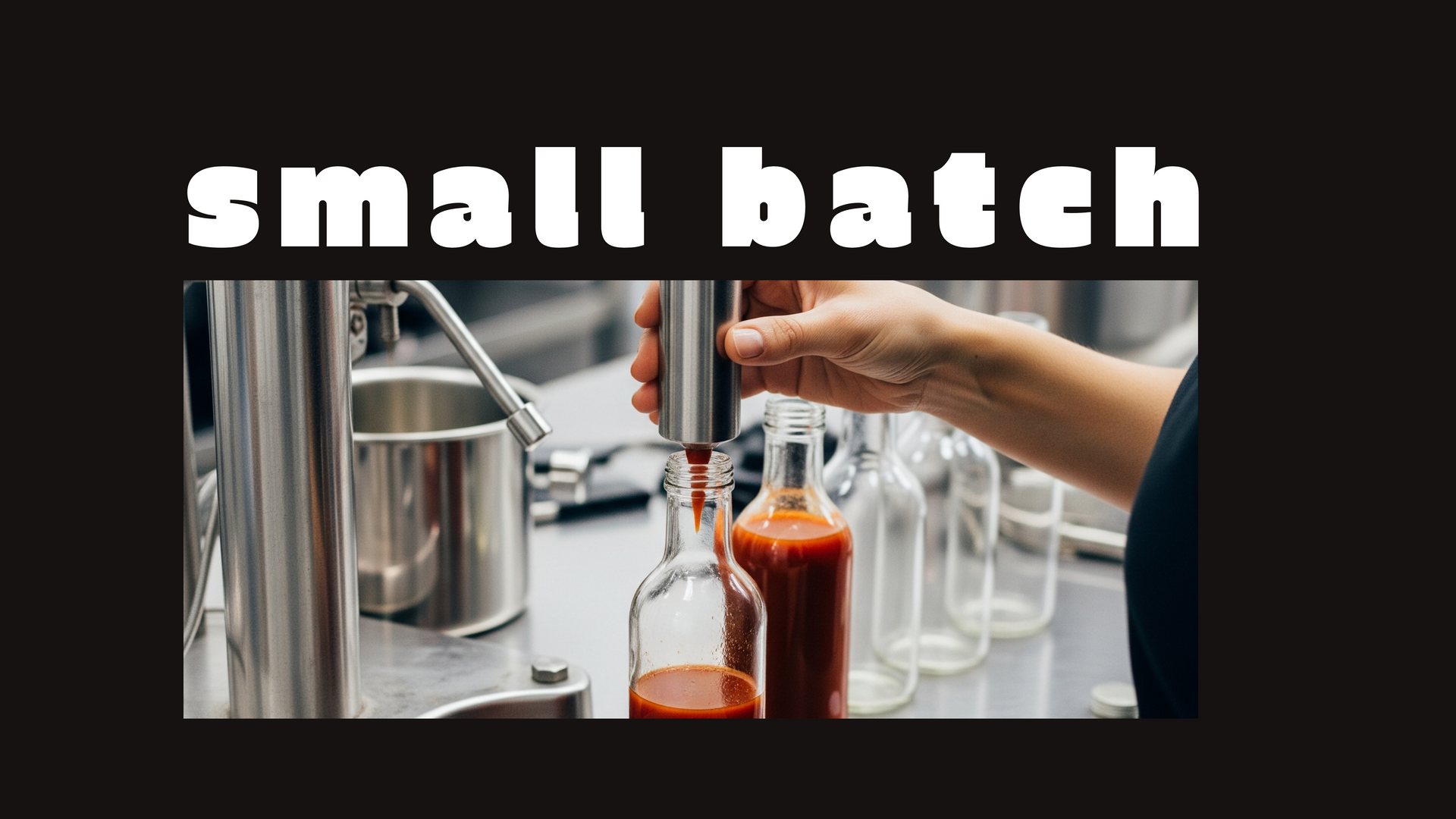
After fermentation (or if you're skipping it), the next stage is blending. All the ingredients are combined in a high-powered blender or food processor until they reach the desired consistency. This is where the sauce truly comes together. Finally, the sauce is bottled and sealed, ready to be enjoyed. Some sauces are cooked before bottling, while others are left raw.
The typical process for making hot sauce can be broken down into a few key steps:
| Step | Description |
|---|---|
| 1. Pepper Prep | Peppers are washed, stemmed, and roughly chopped. They may be roasted or smoked first for extra flavor. |
| 2. Mashing/Fermenting | The peppers are mashed with salt and left to ferment at room temperature for several days or weeks. |
| 3. Blending | The fermented mash is transferred to a food processor and blended with vinegar and other flavorings. |
| 4. Straining & Bottling | The blended sauce is often strained for a smoother texture, then pasteurized and bottled. |
The Chemistry of Spiciness: Capsaicin and Beyond

What makes hot sauce seem so hot? The answer is in a playful part of chili peppers called capsaicin. This part is the one that gives hot sauce its strong kick. Capsaicin is not causing real burns, but it makes your brain think so.
Capsaicin sticks to the pain spots on your tongue and in your mouth. These spots are the same ones that know when something is hot. Then your brain gets a message that says, "HOT!" and your body reacts. The level of this reaction can be shown on the Scoville scale, which you may have heard about if you like chili peppers.
How Capsaicin Creates Heat in Sauce Hot
Capsaicin is tricky. When you eat a hot pepper or chili peppers, this stuff goes straight to some special spots in your mouth called TRPV1. These spots are the nerve endings that let you know when something is hot, like when you try to drink super-hot coffee or touch a stove. Capsaicin fits in these spots like a key in a lock and tells your brain you ate something very hot.
Your brain, which does not really know what happened, reacts fast. It starts a pain response. That is why your taste buds feel like they are burning. When there is more capsaicin in the chili peppers, more of these special spots get turned on. That makes the burning in your mouth feel even hotter.
So, just how spicy can hot sauces get? There is almost no limit. Some sauces use strong capsaicin extract, which some might consider a failed attempt at milder flavors. This makes the heat so strong it is hard to believe. Your body sees it as a huge fire, all from this one chemical and how it works on your taste buds.
Measuring the Scoville Scale: How Spicy Is Your Hot Sauce?
To measure how hot something is, we use the Scoville Scale. It shows the level of heat in Scoville Heat Units (SHU). Wilbur Scoville made this scale in 1912. The Scoville Scale looks at how much capsaicinoids are in a pepper. Bell peppers have 0 SHU. Jalapeños sit between 2,500 and 8,000 SHU.
The heat goes up fast. Serrano peppers, which are sometimes mild, can go up to 23,000 SHU. Tabasco peppers are even hotter, with a number close to 50,000 SHU. A lot of people like sauces like Los Calientes because these use fiery reaper peppers that are not too mild but not too hot. You get a good mix of flavor and burn.
But if you want it really hot, you have to look further up the scale. The Ghost Pepper goes past 1 million SHU. The world’s hottest pepper, Pepper X, can reach 2.69 million SHU. Sauces made from these extra hot peppers, like ghost pepper and ghost mustard, are really strong. These are for those who can handle a lot of heat.
Why Athletes Love Hot Sauce: Physical Effects

So, why do athletes put hot sauce on their food? It is because of how the body reacts to capsaicin, which is what makes food spicy. This spicy feeling makes your body jump into fight-or-flight mode. When this happens, your body releases hormones like adrenaline and endorphins.
These natural chemicals can give you more energy, make you feel more alert, and even bring on a happy feeling. For an athlete, this natural boost can help a lot. It gives extra energy right before an event or game.
Boosting Adrenaline with Sauce Hot Consumption
When capsaicin comes in contact with your pain receptors, your body thinks something is wrong. It reacts like it would when you face danger. Your adrenal glands start to send out adrenaline. This is the same hormone that gets released when you are scared, stressed, or excited. It's like your body's natural “go” switch.
With this rush of adrenaline, your body gets ready to take action. Your heart starts to beat faster. Your airways open up so you can breathe better. More blood, full of oxygen, moves to your muscles. So, eating spicy food can make your body act as if it’s getting ready to move and work hard.
This is a fast and natural way for your heart to beat quicker and your senses to feel sharper. Eating hot sauce can help your health this way. It can give you an early boost before a workout, almost like the first feeling you get when you start running—just from a few drops.
Endorphins, ‘Runner’s High,’ and Spicy Food
The benefits of hot pepper do not end with giving you a rush. Your body wants to deal with the "pain" from capsaicin, so your brain sends out endorphins. These are the natural painkillers in your body. They also help make you feel good or even happy. If you have heard of a "runner's high," this is how it happens.
This burst of endorphins can lift your mood. It can also make pain feel less and give you more energy. If you are someone who works out, this helps you a lot. It can help you work through tough moments during a workout and help you stay positive, which matters if you want to do your best.
Putting hot pepper sauce on the meal you eat before a big event can do more than give you taste. The hot pepper sauce can raise your mood and your energy, so you feel ready for anything. This is one more way hot sauce can be good for your health.
The Impact of Hot Sauce on Athletic Performance
The rush you feel from adrenaline and endorphins is just the beginning. Hot sauce can affect your body in ways you can see and feel. The capsaicin in it may help you work out harder, keep going longer, and feel better while working out.
It can change your heart rate, the way your blood moves, and your energy. If you want to get the most out of your body, you should know about these effects. So, can adding a little hot sauce help you keep going or help you recover faster? Let's look into it.
Heart Rate, Blood Flow, and Energy Levels After Sauce Hot Intake
Right after you eat hot sauce, you start to feel the effects. The boost from adrenaline makes your heart beat faster. Your blood starts to move much quicker in your body. This is one part of what people mean when they say they are "warmed up" and ready for moving or fitness work.
When your blood flow goes up, it's very good for athletes. More blood flow means there is more oxygen and more nutrients going to your muscles. This is important because your muscles need both to work well. You may feel a clear jump in your energy. You get more alert and ready to move.
Hot sauce can make your metabolism and blood flow go up for a short time. So, it can work like a natural boost before your workout. This is one more way that hot sauce can be good for your body and your health, mainly if you want to give your best in sports or exercise. It's an easy way to get ready before you start.
Can Hot Sauce Enhance Endurance or Recovery?
Many pepper fans wonder if enjoying spicy food can help them be better at sports. The answer is, it might. Eating spicy food can help your body release endorphins. These are the things that help you feel good and may let you deal with more pain. This can help you work out longer or go harder in a tough session. If you feel good for longer, you may have more time to give it your all.
After you finish working out, hot sauce or peppers may have even more benefits. Capsaicin, which is what makes peppers hot, can lower swelling in your body. Some research shows that it may help cut down on how sore you feel and how much your muscles swell after a workout. This is not a cure-all, but adding a little to your food may help your body get better faster.
Hot sauce and peppers also have vitamins. These can give your immune system some support, which is important when you do a lot of training. Your immune system can get stressed at these times. More proof is still needed, but right now, it looks like spicy foods may help some athletes do better and get well quicker.
Nutritional Value and Health Benefits of Hot Sauce
Hot sauce does more than just add heat to your food. Its main ingredient is chili peppers. Because of this, hot sauce
is full of good things for your body.
Chili peppers are a good source of important vitamins and minerals. They also have strong antioxidants that help you stay healthy.
When you put hot sauce on your meals, you get more than just flavor. You also add nutrients that your body needs. Hot sauce can be a healthy choice, so you can use it without worry.
Vitamins, Minerals, and Antioxidants in Sauce Hot
Chili peppers are full of good things for your body. They have a lot of Vitamin C. This vitamin is an important antioxidant that helps your immune system work well and keeps your skin looking good. Chili peppers also have Vitamin A, which is needed for good sight and a strong immune system. You also get B vitamins from them. These help your body turn what you eat into energy.
There are also important minerals like potassium and iron in chili peppers. The real stars, though, are the antioxidants. Capsaicin is one, and it is very powerful. Peppers also have carotenoids. These give the chili peppers bright red, yellow, or orange colors.
Thanks to all these health benefits, you may want to have more chili peppers in your food. The mix of vitamins, minerals, and antioxidants, found in things like hot sauce, can help fight damage inside your cells. It is also good for your overall health. So, if you’re asking, "Is hot sauce good for you?" The answer, based on what chili peppers have in them, is yes.
Potential Immune-Boosting Properties
Your immune system is the first way your body fights off sickness. Eating hot sauce can help keep it strong. Chili peppers have high amounts of Vitamin C. This is good for your immune system and helps your body fight common illnesses. If you are an athlete, you need to stay healthy so you can keep training all year.
A lot of hot sauces also have apple cider vinegar in them. People say this can be good for you. It may help fight germs. When you mix chili peppers and apple cider vinegar, you get a sauce that is tasty and can help your body stay strong. People have used pepper pastes and sauces for a long time, both for flavor and for health.
So, this is one more reason hot sauce can be good for your good health. You get important nutrients and good stuff that may help your immune system work well. With this, you can be healthy and keep doing what you love.
Safety and Limitations: When Too Much Heat Backfires
Hot sauce can be tasty, but it can also cause problems if you use too much. Even something you like can be bad when you overdo it. If you eat a lot of spice, you might upset your stomach. How much you can handle depends on your heat level and your own body.
You need to find what works for you. Some people like a bit of spice, and it's fine for them. For others, they can get sick or feel bad if they eat the same amount. Knowing how hot sauce can affect your body helps you enjoy it without having any problems.
How Much Sauce Hot Is Too Much For Athletes?
For an athlete, timing and the amount you eat matter a lot. You do not want to deal with an upset stomach before a big race or game. Eating hot hot sauces right before hard activity can cause problems like cramps, heartburn, or a fast trip to the bathroom. It can also take away any boost in your energy.
How much hot hot sauces to use is different for each person. It depends on what you can handle. It's a good idea to try hot hot sauces on practice days, not on game day. Start with a little and watch how your body feels. A few drops could be just right. But if you have a tablespoon, it might be too much.
Pay attention to your body. If you feel any pain, then you have probably had enough. You want to get the good parts from hot hot sauces but not the side effects. So, finding what works for you is important if you want to use spice in your sports plan the safe way.
Digestive Impact and Sensitivity Considerations
The main health risks of using hot sauce for sports have to do with how it affects your stomach and gut. The capsaicin that makes you feel the heat can also bother the inside of your stomach and the gut. This is more likely to happen when you use hot sauces made with peppers like the scotch bonnet or ghost pepper.
If you already deal with stomach troubles like acid reflux, gastritis, or Irritable Bowel Syndrome (IBS), you should be even more careful. For people like this, just a small bit of a strong hot sauce can make things flare up and hurt. It's really about weighing risk and reward. The little boost you might get may not be worth the sure pain you could feel later.
In the end, what matters most is how you feel. If you know your stomach is easy to upset, you should reach for milder sauces or not use them before getting active. The idea is to do better in sports, not to make yourself sick and feel bad.
Choosing the Best Hot Sauce for Athletic Use
Are you ready to spice up your meals? Picking the best hot sauce is about what you like. You can find many mild hot sauces, which give you more taste and less heat. If you’re unsure what kind of pepper to use, at the other end, there are extreme hot sauces made just for those who love intense chili flavor. You can also find fancy options that focus on fresh food ideas.
You need to think about what you want from your fresh hot sauce. Do you like a small kick, or do you want a big hit of flavor and heat? Knowing how spicy a sauce can be will help you find the right one. This way, you will use a hot sauce that goes well with your food and works for your needs.
Mild, Medium, or Wild: Understanding the Spice Spectrum
How can you pick the right hot sauce to help boost your athletic performance? Start by knowing how much heat you can handle. You do not need to go for the hottest one if you do not want to. The mild hot sauces are great for most people and focus more on taste than strong heat. Many of these use fruit or smoky flavors for a good burst of taste with just a small amount of spice. A sauce like Mango Pineapple brings in sweetness with a light kick.
If you want energy but do not want to burn your taste buds, go with a delicious medium heat level. These sauces are right in the middle. They make your heart beat faster but are still safe for most people to use every day. Hot Sauce Cajun Cayenne is a nice pick here, as it gives you that smoky flavor and a good burn without taking over the taste.
For those who already like spice, you can go for hot or extra-hot sauces. These hotter ones really wake you up and get you moving. Just make sure you are able to handle these heat levels first. Here is a quick guide to help you choose:
- Mild: Focus on taste, light heat. Great if you are just starting out.
- Medium: A good mix of heat and taste for a more manageable sweet heat. Best if you need some energy.
- Hot: Strong heat with lots of flavor. Pick this if you have trained your taste buds.
- Extreme: Be careful! Gives you as much heat and energy as possible. Use this for maximum adrenaline.
Gourmet, Artisanal, and Functional Sauce Hot Options
There are many gourmet hot sauces that you should try. The market for hot sauce from small makers has really taken off, and we don’t want to toot our own horn, but some people now make sauce the same way others treat fancy wine. These gourmet hot sauces use special, good ingredients. The way they make the flavors is complex and goes beyond just being hot. You will find that their flavors can be rich, bold, and mixed in a way that stands out.
Pepper Palace is a name that comes up a lot when talking about good, unique sauces. The original Pepper Palace recipes show how you can add something special to your food. This new sauce, like the Black Rose Hot Sauce, has become very popular. They're not just for adding heat, they can help make your food taste new and exciting.
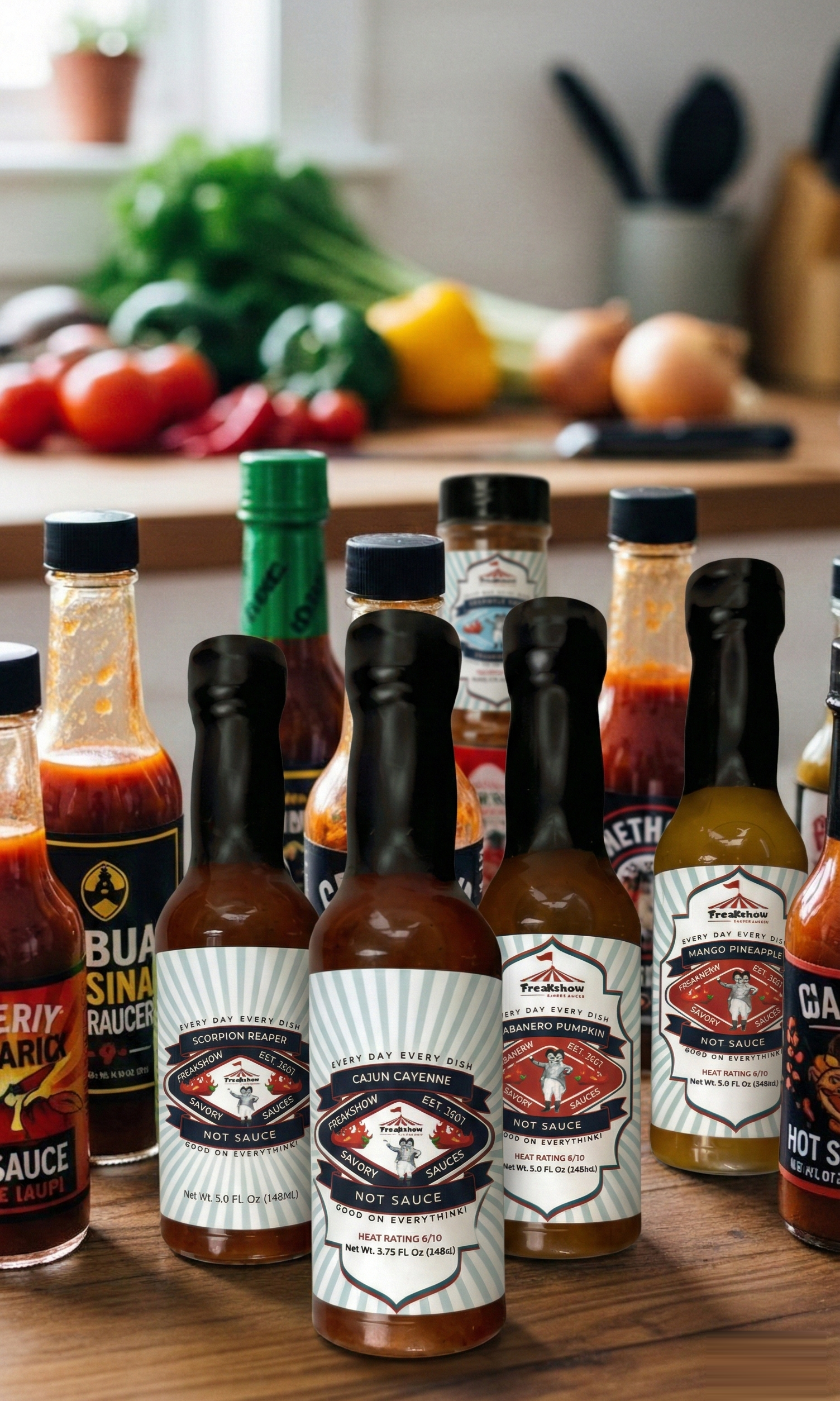
Many of these sauces bring fun and different flavors together. You will see things like a delicious blend of golden honey, peach, and habanero mixed into one sauce for a "cold fusion" of sweet and spicy. Some use herbs and spices you may not expect. When you look for something new to try, here are some options for gourmet sauce from Freakshow Savory Sauces:
- Pale Ale Chipotle: A smoky infusion of chipotle peppers blended with the rich notes of pale ale, this sauce delivers a subtle heat that elegantly enhances any dish. Perfect for marinating meats or drizzling over grilled vegetables, it strikes the ideal balance between spice and depth.
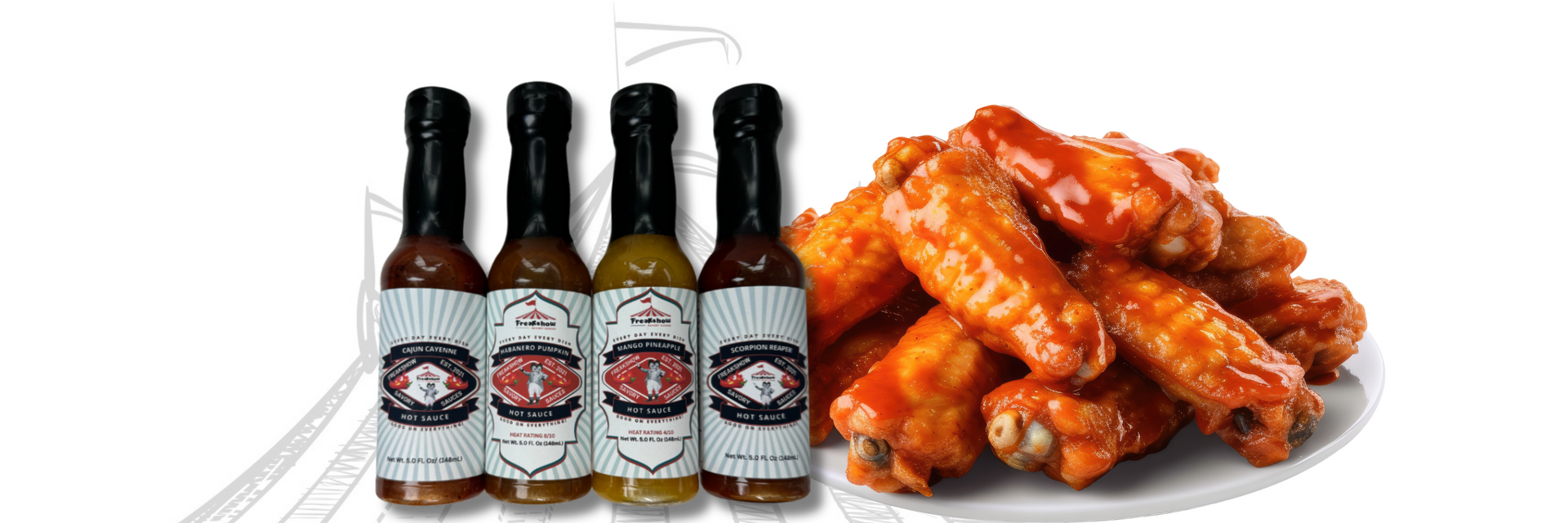
- Cajun Cayenne: A bold and zesty fusion of cayenne peppers and classic Cajun spices, this sauce packs a punch that invigorates any meal. With its earthy undertones and a hint of garlic, Cajun Cayenne is perfect for spicing up everything from jambalaya to grilled chicken. Its vibrant flavor profile is a nod to the deep-rooted culinary traditions of Louisiana, promising to add an authentic kick to your favorite dishes.
- Mango Pineapple: A vibrant concoction featuring fresh mango purée and a medley of spices, this sauce brings a tropical flair to your palate. The initial sweetness swiftly gives way to a pleasant warmth, making it an excellent companion for seafood or as a dip for crispy snacks.
- Habanero Pumpkin: Embrace the unexpected with Habanero Pumpkin, where the warmth of roasted pumpkin meets the fiery kick of habaneros.
- Scorpion Reaper: A daring creation for the brave, Scorpion Reaper combines the infamous Trinidad Moruga Scorpion pepper with a hint of smoky undertones. This sauce doesn't just bring heat; it envelops your taste buds in a whirlwind of fire and flavor. Ideal for those who crave intensity, Scorpion Reaper can elevate dishes like chili or barbecue wings to an exhilarating level. It’s not just about spice; it’s about savoring the thrill of culinary adventure.
Each of these sauces showcases the artistry behind gourmet hot sauces, transforming everyday meals into exciting gastronomic adventures.
Hot sauce is not just tasty food. It can help athletes step up their game. The spicy taste can help your body make more adrenaline and endorphins. This gives you more energy and helps you keep going longer when you are working hard. Hot sauce has many vitamins and antioxidants too. So, it is good for you and not just for flavor. Still, you need to be careful and not use too much or it may hurt you. Why not add some spice to your workout? Sign up now to learn more about using hot sauce in your routine. This easy step can help you do better in your sports.
Try the heat and get ready to be your best!
Frequently Asked Questions
How should I store my hot sauce to keep it fresh?
Most hot sauces made with vinegar, including fancy sauces, are okay to keep at room temperature. But, if you put them in the fridge, the flavor and color will last longer, especially after you open them. If the sauce has fruit in it or is low in apple cider vinegar, it should always go in the fridge. Old hot sauce packets last a long time, but it’s always good to use fresh ones when you can!
Are there specific health risks or benefits to using hot sauce for sports?
The big benefits are a rush of adrenaline and endorphins. There may also be a boost to the immune system from the vitamins in a hot pepper. The main risk is an upset stomach, especially when you have very hot sauces like ones with scotch bonnet peppers. The greatest sauce is the one that lets you get the good things without feeling bad.
How do I choose the right hot sauce for boosting athletic performance?
Pick a heat level that you can handle well. The main ingredient is the pepper, which decides how hot it will be. You can start with some medium-heat delicious sauces, which can be considered liquid gold, and see how your body feels. Then, go up to heat like Scorpion Reaper if you want. The goal is to pick your own favorite. You want something that gives you an energy boost but does not give you any stomach troubles.